Approach to proteinuria (pediatrics) Quiz: Ace Your Exams
Get ready to dominate your medical and nursing exams by using our dynamic quizzes to elevate your knowledge and increase your confidence. Whether you're gearing up for the USMLE®, COMLEX®, or your next in-class assessment, Osmosis quizzes tackle key topics in pathology, diagnostics, and treatment approaches. By honing in on clinical readiness and decision-making, we make sure the knowledge you gain empowers you both in the classroom and in real-world practice. Jump in and supercharge your exam prep!
Learning videos
Flashcards
Expert reviewed
Spaced Repetition
Mobile app
Custom Quizzes
1 of 3
A 4-year-old boy is brought to the emergency department due to swelling around his eyes and in the legs bilaterally. The parents report that he had a viral upper respiratory tract infection one week ago that resolved spontaneously. Past medical and surgical history are non-contributory. Temperature is 37� C (98.6�F), pulse is 80/min, respirations are 20/min, and blood pressure is 110/60 mm Hg. Physical exam is significant for bilateral lower extremity pitting edema up to the knees and edema of the face as shown in the image below. Cardiopulmonary and abdominal exams are normal. Lab results are shown below. Which of the following is the most likely diagnosis?
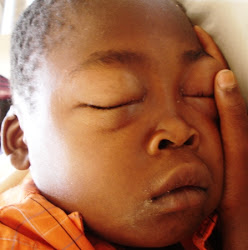
Under the Creative Commons Attribution-Share Alike 3.0 Unported license. Reproduced from Wikimedia commons
Under the Creative Commons Attribution-Share Alike 3.0 Unported license. Reproduced from Wikimedia commons
| Laboratory Value | Results |
| Serum |
| Albumin | 2 g/dL |
| Triglycerides | 200 mg/dL |
| Cholesterol | 250 mg/dL |
| Blood urea nitrogen | 17 mg/dL |
| Creatinine | 0.5 mg/dL |
| Complement C3 | 140 mg/dL |
| Complement C4 | 20 mg/dL |
| Urine | |
| Specific gravity | 1.018 |
| pH | 6 |
| Protein | 4+ |
| Glucose | Negative |
| WBCs | 1-5 /hpf |
| RBCs | 2-5 /hpf |
| Urine protein/creatinine ratio | 0.5 |
| Casts | None |
Elimination tool
0 XP
Press space to continue