Lower limb HVLA
Definitions & Key takeaways
HVLA stands for high-velocity low-amplitude thrust. It is a type of manual therapy that is used to treat a wide variety of conditions. HVLA involves the use of rapid, low-amplitude movements to apply force to a joint. This type of thrust has been shown to be effective in reducing pain and restoring function.
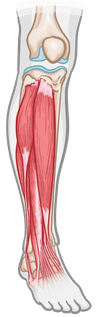
Lower limbs
Lower limb HVLA
LOWER LIMB HVLA | ||
| DIAGNOSIS | TREATMENT POSITION | DIRECTION OF THRUST |
| Posterior fibular head | With patient supine, flex their hip and knee, place finger pads posterior to fibular head, dorsiflex foot, externally rotate tibia | Thrust fibular head anteriorly and laterally while flexing the knee further |
| Anterior fibular head | With patient supine, fully extend lower extremity, place thenar eminence anteriorly over fibular head, plantarflex foot, internally rotate tibia | Thrust fibular head posteriorly and laterally while extending the leg further |
| Cuboid, navicular, or cuneiforms dysfunction (HISS whip) | With patient prone, place thumbs on plantar surface of dysfunctional bone with other fingers wrapped around dorsal surface of foot | Thrust downward (toward floor) for navicular and cuneiforms Thrust downward (towards floor) and laterally for cuboid |
| Anterior talus (Posterior tibia on talus) | With patient supine, place thumbs on plantar aspect of foot with fingers interlaced over dorsal aspect, apply traction while dorsiflexing the foot | Thrust inferiorly (in direction of traction) while inducing slightly more dorsiflexion |
| Posterior talus (Anterior tibia on talus) | With patient supine, grasp heel and apply dorsiflexion and traction to calcaneus with one hand, grasp distal end of tibia with other hand | Thrust posteriorly on tibia while applying traction and dorsiflexion at the heel |
Author: Arman Israelyan, OMS-III
Editor: Matt Lipinski, DO
Editor: Robyn Hughes, MScBMC
No notes for this video yet
Try adding a note below