Lower limb myofascial release
Definitions & Key takeaways
Lower limb myofascial release is a type of massage that can help to improve the function of the muscles and fascia in the lower body. By releasing tension in the fascia, this type of massage can help to improve flexibility and range of motion, and may also help to reduce pain and inflammation.
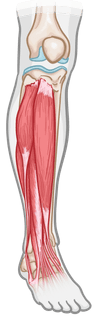
Lower limbs
Lower limb myofascial release
GASTROCNEMIUS WITH TRACTION
- With the patient supine, sit at the foot of the table on the side of dysfunction
- Place both hands side by side under the gastrocnemius with the weight of the leg resting on your fingertips
- Apply an upward force (posterior to anterior) with your fingers into the muscle, then pull inferiorly, using the weight of the leg to compress the area
- Maintain pressure for 30–60 seconds or until a release is palpated
SUPINE LEG TRACTION
- With the patient supine, sit at the foot of the table
- Firmly grasp the calcaneus, and lift both legs to 20–30 degrees off the table
- Gently lean backward to add slight traction through the leg
- Determine the position of ease or restriction by assessing internal and external rotation, and abduction and adduction
- Maintain traction and gently stack the tissue in both planes of motion into the position of ease (indirect) or into the barrier (direct)
- Maintain forces for 30-60 seconds or until a release is palpated
PLANTAR FASCIITIS, DIRECT
- Cross thumbs with the pads over the area of concern at the plantar fascia
- Gently press into the plantar fascia and add distal and lateral traction until the restrictive barrier is met
- Maintain forces for 30–60 seconds or until a release is palpated
- Repeat steps 1–3 with the foot alternating between plantar flexion and dorsiflexion
Author: Arman Israelyan, OMS-III
Editor: Matt Lipinski, DO
Editor: Robyn Hughes, MScBMC
No notes for this video yet
Try adding a note below