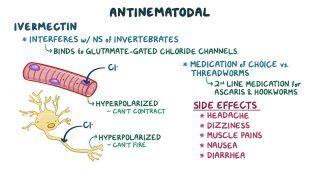
Osmosis video - Anthelmintic medications
00:00 / 00:00
More Videos

04:07
Mechanisms of antibiotic resistance

10:46
Antimetabolites: Sulfonamides and trimethoprim

15:13
Antituberculosis medications

15:07
Cell wall synthesis inhibitors: Cephalosporins

13:49
Cell wall synthesis inhibitors: Penicillins

07:11
DNA synthesis inhibitors: Fluoroquinolones
05:24
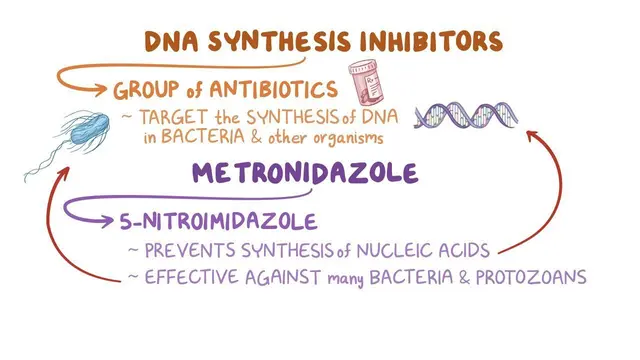
DNA synthesis inhibitors: Metronidazole

15:09
Miscellaneous cell wall synthesis inhibitors

16:32
Miscellaneous protein synthesis inhibitors

11:25
Protein synthesis inhibitors: Aminoglycosides

10:45
Protein synthesis inhibitors: Tetracyclines
Video Summary of Anthelmintic medications
Anthelmintic medications are drugs that are used to treat parasitic infections, such as those caused by roundworms and tapeworms. These medications work by killing the parasites or by causing them to be expelled from the body. Some of the more common side effects of anthelmintic drugs include stomach pain, diarrhea, and nausea. In rare cases, these drugs can cause allergic reactions. Common anthelmintic drugs include albendazole, praziquantel, and mebendazole.