Osmosis video - Patients Perspective: Congenital Hip Dysplasia
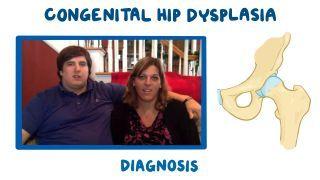
00:00 / 00:00
Video Summary of Patients Perspective: Congenital Hip Dysplasia
Congenital hip dysplasia (CHD) is a congenital condition in which the hip joint is not properly formed, leading to instability and potential dislocation of the affected hip. Symptoms of CHD include a limp, asymmetry of the legs or hips and difficulty with certain movements or positions.
Living with congenital hip dysplasia (CHD) can be difficult. The condition can cause pain and discomfort, especially when performing activities such as walking or participating in sports. It can also lead to a limited range of motion and mobility, making it difficult to perform everyday tasks such as sitting, standing, and getting dressed.
Despite the challenges, CHD can be managed by a multidisciplinary team of healthcare professionals. Early diagnosis and treatment can help improve long-term outcomes and allow patients to lead fulfilling lives.