Osmosis video - Pharmacologic adjuncts to conventional periodontal therapy
00:00 / 00:00
Video Summary of Pharmacologic adjuncts to conventional periodontal therapy
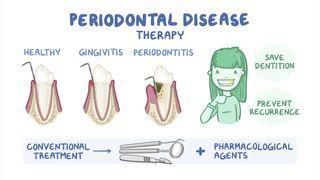
Periodontal disease refers to a group of inflammatory conditions that affect the tissues around the teeth, such as gingivitis and periodontitis. The conventional treatment of periodontal disease is based on mechanical therapy like using curettes to scale and root plane or surgical procedures. However, not all patients respond well to conventional therapy, so pharmacological agents can be useful adjuncts in these cases.
Common pharmacologic adjuncts used in periodontal therapy include: Antibiotics: These are used to reduce the bacterial load in the periodontal pocket and to help control infection. Commonly used antibiotics include tetracyclines, metronidazole, and amoxicillin. Non-steroidal anti-inflammatory drugs (NSAIDs): These are used to reduce inflammation and pain associated with periodontal disease. Examples of NSAIDs include ibuprofen and naproxen. Chlorhexidine: This is an antiseptic mouthwash that helps to control the growth of bacteria in the mouth, particularly in the periodontal pockets. Host modulation therapy: aims to decrease or resolve the immune-mediated destruction of the periodontium.