Osmosis video - Toxic shock syndrome (TSS): Nursing
00:00 / 00:00
Video Summary of Toxic shock syndrome (TSS): Nursing
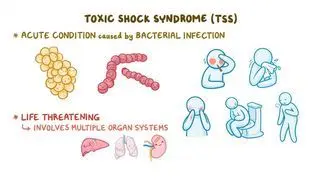
Toxic shock syndrome, or TSS, is caused by an immune response to bacterial toxins produced by bacteria such as Staphylococcus aureus or Streptococcus pyogenes. The main risk factor is improper use of tampons during menstruation, but intravaginal contraceptive devices can also pose a risk for TSS. Other sources, such as infected wounds or burns, can also be causative factors.
In TSS, the body initiates a systemic inflammatory response that involves multiple organ systems, leading to complications like capillary leakage, organ failure, and disseminated intravascular coagulation (DIC). Signs and symptoms of TSS include fever, hypotension, edema, myalgias, and a sunburn-like rash, as well as specific signs of complications and organ dysfunction. Diagnosis involves a thorough history and physical examination along with laboratory tests, and blood cultures
Treatment involves supportive therapy, including IV fluids, vasopressors, antibiotics, and immunoglobulins. Priority goals of nursing care are focused on eliminating the infection and monitoring for alterations in hemodynamic status. Client and family teaching centers on how to prevent toxic shock syndrome, recognizing signs and symptoms of TSS, and when to seek medical attention.