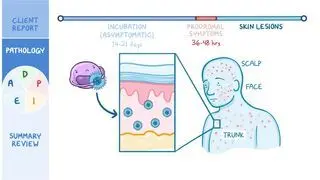
Incubation periods can be discussed in the context of illnesses such as influenza (i.e., flu), coronavirus disease 2019 (COVID-19), and human immunodeficiency virus (HIV).
Influenza viruses often replicate within the respiratory epithelium and respiratory tract of affected individuals. The intrinsic incubation period is relatively short and consists of approximately 1 to 4 days. This is the time it takes for the influenza virus to replicate within the respiratory tract to a significant viral load until it causes signs and symptoms (e.g., cough, sore throat, fever, runny nose). The extrinsic incubation period is the time it takes for the influenza virus to spread to others via respiratory droplets. This occurs when an affected individual coughs, sneezes, or touches objects. Infected individuals may pass the virus to unaffected individuals up to 1 week after initially showing symptoms.
Another example of a respiratory virus is COVID-19, which also replicates within the respiratory tract. The intrinsic incubation period for COVID-19 ranges from 1 to 2 weeks, with the average period being approximately 5 to 7 days. The extrinsic period is the time it takes for the COVID-19 virus to spread to others via respiratory droplets, which are also spread through coughing, sneezing, and touching objects. Infected individuals can pass the virus to unaffected individuals 2 days before symptom presentation and up to 10 days after symptoms appear.
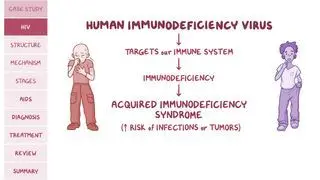
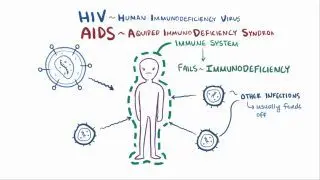
Then, HIV is a virus that attacks the body’s immune system (e.g., CD4 T cells, dendritic cells) and if left untreated, can lead to acquired immunodeficiency syndrome (AIDS). HIV is transmitted through the exchange of bodily fluids from people living with HIV such as blood, semen, and vaginal secretions. The intrinsic incubation period for HIV ranges widely, from several weeks to months, and in rare cases, even years. During this time, the HIV slowly replicates within immune cells (e.g., CD4 T cells), causing immune destruction. Signs and symptoms may not be present, but some individuals may experience lymphadenopathy (e.g., swollen lymph nodes). During this time, HIV continues to replicate in the body, producing high amounts of viral load, and eventually causing symptomatic disease (e.g., fever, weight loss, lymphadenopathy, nausea, abdominal pain). The extrinsic incubation period may vary depending on host behaviors, as this is the time it takes from the affected host to pass on the virus to an unaffected host. HIV can be spread during activities such as unprotected sexual intercourse and sharing needles and/or syringes.