Lividity · What Is It, Forensic Application, Pathological Implications, and More
Published: Mar 04, 2025
Author: Alyssa Haag•
Editor: Ahaana Singh•
Editor: Lisa Miklush, PhD, RN, CNS
Illustrator: Aileen Lin
7-day free trial
Go deeper with Osmosis
Osmosis is a learning platform with videos, questions, and AI tools to help you master topics like this.
Watch quick, visual videos
Practice with Qbank-style questions
Use AI to explain, quiz, and review
Study anytime with the mobile app
Try Osmosis Free
No credit card required
What is lividity?
Lividity refers to the bluish-purple discoloration of skin after death. It is a common sign associated with livor mortis, one of the four post-mortem signs of death, along with pallor mortis, algor mortis, and rigor mortis. Livor mortis is characterized by lividity and occurs within hours after death. Lividity occurs because the heart is no longer pumping blood throughout the body and, consequently, gravity pulls the blood down, resulting in the pooling of blood at the lowest point in the body.
Learn deeper with Osmosis
Master this topic faster with videos, questions, and AI.
Used by 8M+ healthcare learners.
Try Osmosis Free
No credit card required
How long does it take for lividity to set in?
Lividity usually begins 30 minutes to 4 hours after death and is most pronounced 12 hours after death. Blanching, or a whitish discoloration that results when pressure is applied to the skin, can occur up to 8–12 hours after death. After this time period, however, the blood becomes fixed (or non-blanchable).
What is lividity in forensics?
Lividity can assist forensic scientists in determining the time of death. Because lividity usually begins 30 minutes to 4 hours after death, its presentation can provide a potential time frame of death.
Lividity can also help determine the position in which an individual has died. Any part of the dead body that was in contact with a firm surface, such as the ground, during the transition from blanchable to fixed lividity, will show signs of blanching due to constant pressure pushing the blood away. For example, if an individual were to die on their back, lividity would be prominent on the back, buttocks, and backs of the legs, with blanching on the portions of the body that were in direct contact with the ground. Thus, if that body is found face down, with signs of blanching on its back, it suggests to forensic scientists that the individual had likely died on their back and been moved.What does lividity tell the pathologist?
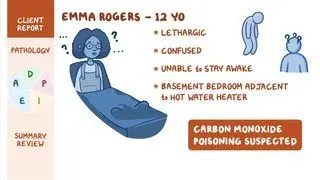
The color of lividity can inform pathologists on the cause of death. Various toxins enter the body in different ways and ultimately present themselves in different colors of lividity. For example, if the individual died by carbon monoxide poisoning, the lividity will likely be cherry red in color. Similarly, if the body was refrigerated post mortem, the lividity will likely be pink to cherry red in color, due to retained oxygen. Other examples include green-colored lividity due to hydrogen sulfide poisoning, pink-colored lividity due to cyanide poisoning, and brown-colored lividity due to nitrate poisoning.
What are the most important facts to know about lividity?
Lividity is the bluish-purple discoloration of skin after death. It is a sign of livor mortis and occurs when blood pools at the lowest point of the body due to gravity and loss of blood circulation. The presence and display of lividity can assist forensic scientists to better understand the time and position of death, and the color of lividity can inform pathologists about the potential cause of death.
Related topics

Students say Osmosis is 100% worth it
Because Osmosis saves them time. Lowers stress. And actually helps them remember when it counts.
I used Osmosis to prepare for my first medical school licensing exam! Super helpful and interactive for people who may not do great with just pages of text info!"

Cecilia Ruiz
MD student

I have used Osmosis for about four years. Best thing I have ever used for my medical studies."

Sayan Misra
Med student
Osmosis videos are superior because they define simple concepts, tell a story with a clear progression, and provide context."

Jay Pate
Dental student