Throughout history, trephination has been a medical technique used to relieve intracranial pressure and headaches. In the fifth century BCE, physicians practicing under the guidance of Hippocrates believed that stagnant blood, like stagnant water, could decay and turn into pus (i.e., liquid produced in infected tissue). For that reason, trephining allowed blood to flow out before it spoiled. This eventually fell out of practice due to low survival rates and infection.
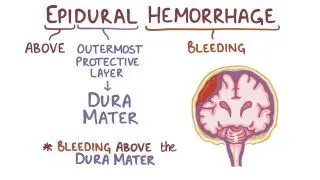
At the end of the 19th century, physicians learned about the importance of modern antisepsis and infection prophylaxis, and understood the importance of intracerebral pressure in head injury. This allowed trephination to return as a surgical therapy for the treatment and management of head trauma, including fractured skulls, head wounds, intracranial hemorrhage, intracranial disorders, chronic headache, brain tumors, and other painful skull disorders. Trephining is no longer used for therapeutic purposes in itself, but is typically used for exploratory diagnosis, relieving intracranial pressure due to epidural or subdural hematoma, debriding a penetrating head wound, and gaining access to the brain.
In modern practice, the technique of drilling a hole in one’s skull is more commonly known as a craniotomy. In this procedure, a surgeon removes a piece of the skull to access the brain in order to treat conditions such as brain lesions and brain tumors. After treatment, the piece of skull is then replaced as soon as possible. It is important that, in the process of trephination, surgeons are careful to avoid penetration of the dura mater, which is the outer layer of connective tissue that protects the brain. If the dura mater is damaged, this could result in infection and physical damage to the underlying blood vessels, meninges, and brain tissue.
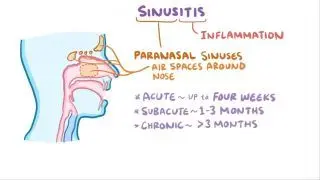
In 1884, frontal sinus trephination for the treatment of frontal sinus disease was described by physician Alexander Ogston. The technique had a high failure rate from complications of nasofrontal duct stenosis, or blockage of a duct that drains the sinuses. In the 1980s, endoscopic sinus surgery became the standard of care for the surgical management of frontal sinus disease. During this procedure, an endoscope (i.e., a camera on the end of a thin tool) is inserted into the nose to open the drainage pathways of the sinuses and restore their function. While endoscopy is still the standard of care to date, trephination may be used in cases of frontal sinus disease that are unable to be treated by endoscopy. For example, trephination is used if the surgeon needs an additional port for dissection, if the surgeon needs to rapidly decompress the frontal sinus, or if there is a tumor that has to be resected but cannot be done by endoscopy. Frontal sinus trephination is performed under local or general anesthesia. In the case of frontal sinus disease, trephination is used to relieve the pressure of the frontal sinus and drain the inflammatory cells and fluid. Following trephination, intravenous antibiotics are then administered to limit potential infection.
In addition to treating frontal sinus disease, trephination has been used in the eye for corneal transplant and to treat glaucoma. Glaucoma is a condition in which the outflow of aqueous fluid of the eye is blocked, and intraocular pressure, or pressure within the eye, builds up. A procedure known as corneoscleral trephination has been documented in the treatment of glaucoma and consists of using a 1-2mm blade and topical anesthetic to relieve pressure of the eye.
Lastly, while trephination mainly refers to the process of creating a hole in the human skull, the process of creating a hole in the
fingernail or
toenail is also referred to as trephination. Trephination of the nail is used as a procedure for subungual hematomas (i.e., blood under the nail). Subungual hematomas can occur from trauma, such as crushing one’s
finger in a door or stubbing one's toe. Typically, an electric cautery tool is used to melt a hole through the nail and drain the blood from under the nail. Clinicians may also choose to use a needle and rotate it back and forth with slight downward pressure until dark blood is noted, being careful to not damage the
nail bed.