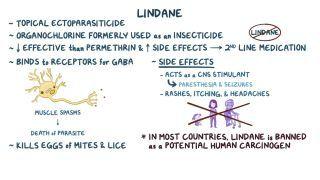
Osmosis video - Anti-mite and louse medications
00:00 / 00:00
More Videos

Mechanisms of antibiotic resistance
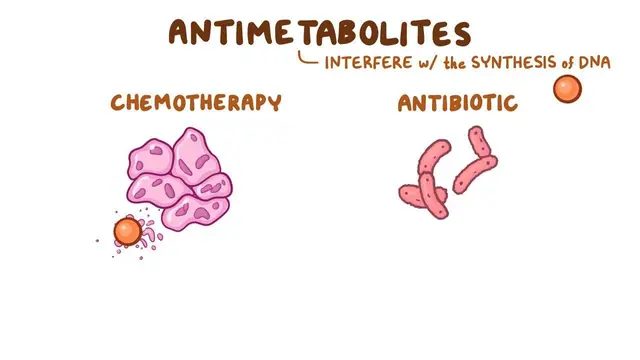
Antimetabolites: Sulfonamides and trimethoprim
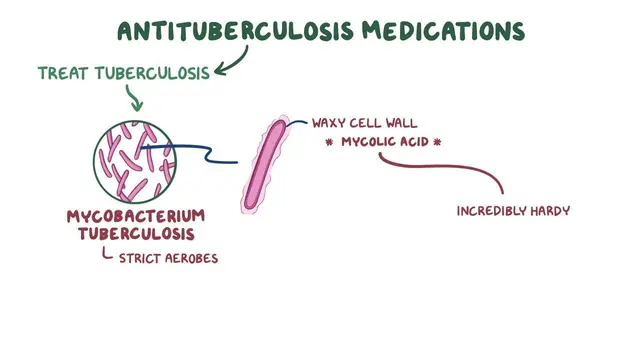
Antituberculosis medications
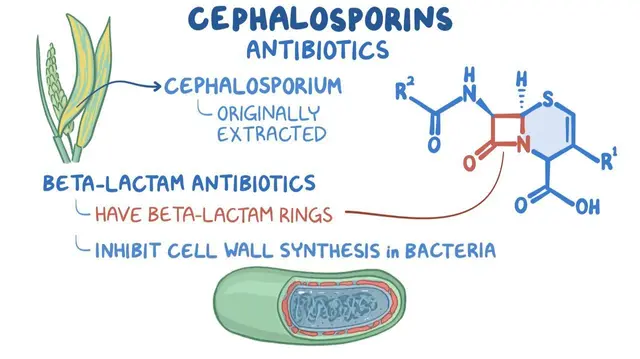
Cell wall synthesis inhibitors: Cephalosporins
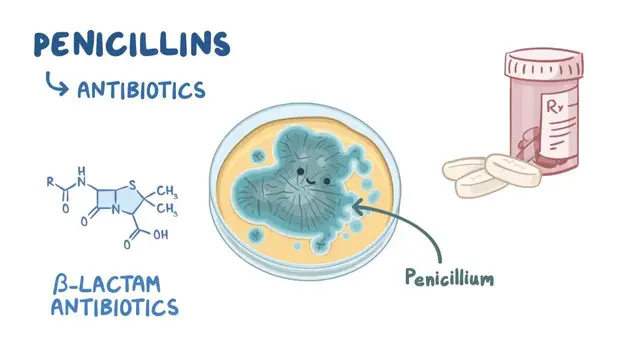
Cell wall synthesis inhibitors: Penicillins
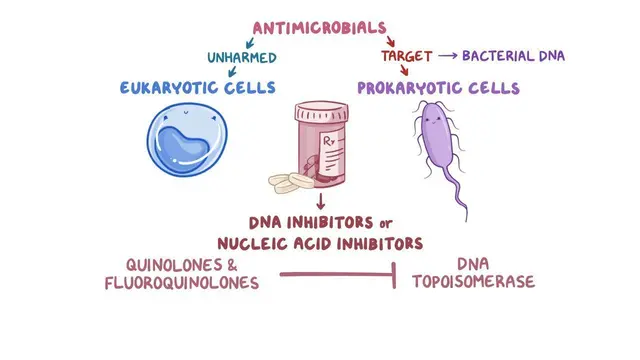
DNA synthesis inhibitors: Fluoroquinolones
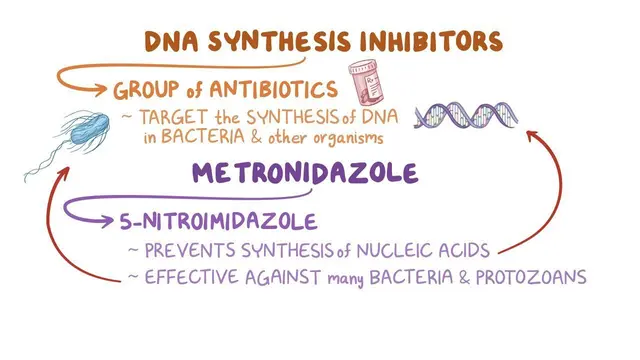
DNA synthesis inhibitors: Metronidazole
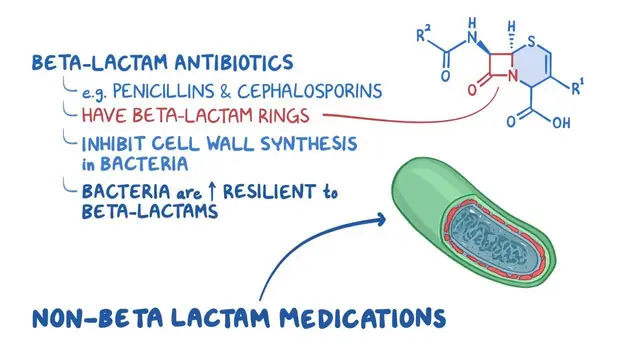
Miscellaneous cell wall synthesis inhibitors
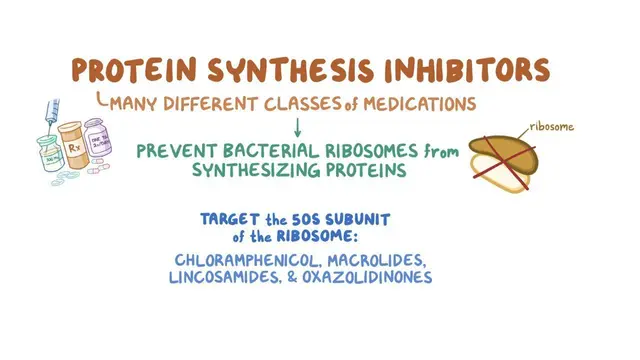
Miscellaneous protein synthesis inhibitors
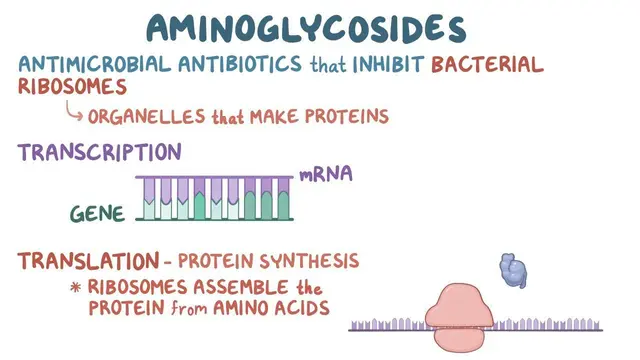
Protein synthesis inhibitors: Aminoglycosides
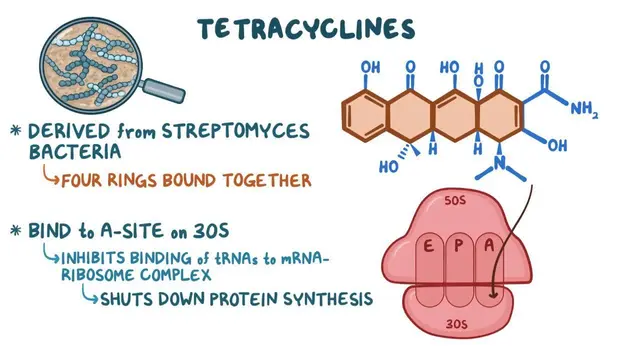
Protein synthesis inhibitors: Tetracyclines
Video Summary of Anti-mite and louse medications
Anti-mite and louse medications are medications that are used to kill or get rid of mites and lice. Mites and lice can cause skin irritation, itching, and other problems. There are different anti-mite and louse medications available, including over-the-counter medications as well as prescription medications.
Some common anti-mite and louse medications include permethrin, malathion, benzyl alcohol, pyrethrins, and piperonyl butoxide. All permethrin, malathion, and benzyl alcohol are used to treat head lice. In addition to treating head lice, malathion is also used to treat scabies, and benzyl alcohol to treat pubic lice. Pyrethrins are a natural insecticide that is derived from chrysanthemums. Piperonyl butoxide is a common ingredient in lice treatments that helps to increase the effectiveness of the pyrethrins.