Osmosis video - Non-nucleoside reverse transcriptase inhibitors (NNRTIs)

00:00 / 00:00
More Videos

04:07
Mechanisms of antibiotic resistance

10:46
Antimetabolites: Sulfonamides and trimethoprim

15:13
Antituberculosis medications

15:07
Cell wall synthesis inhibitors: Cephalosporins

13:49
Cell wall synthesis inhibitors: Penicillins
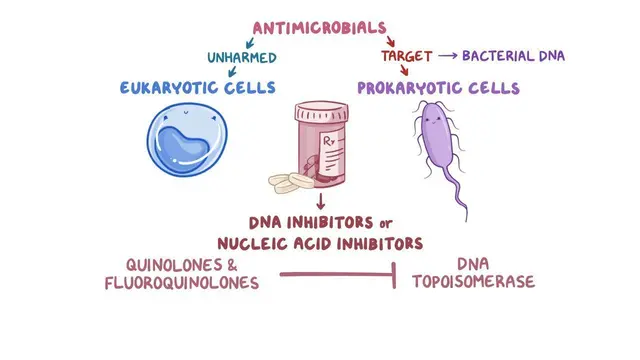
07:11
DNA synthesis inhibitors: Fluoroquinolones
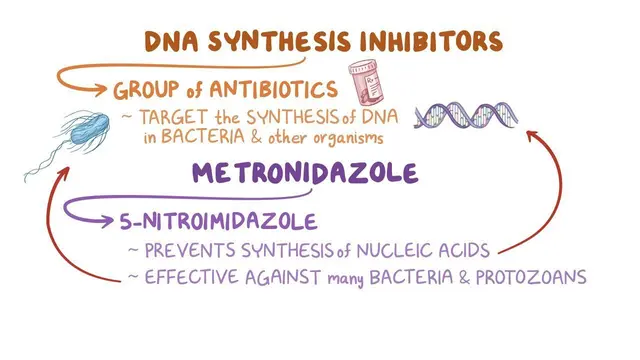
05:24
DNA synthesis inhibitors: Metronidazole

15:09
Miscellaneous cell wall synthesis inhibitors

16:32
Miscellaneous protein synthesis inhibitors

11:25
Protein synthesis inhibitors: Aminoglycosides
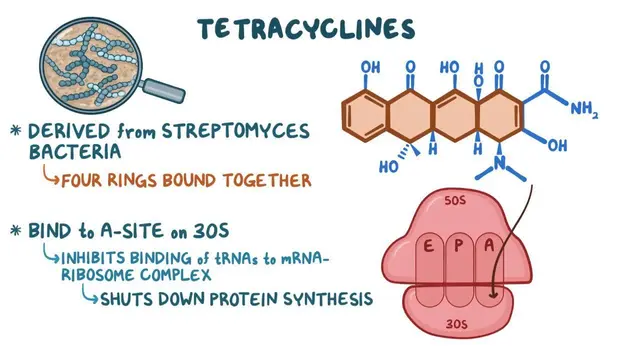
10:45
Protein synthesis inhibitors: Tetracyclines
Video Summary of Non-nucleoside reverse transcriptase inhibitors (NNRTIs)
Non-nucleoside reverse transcriptase inhibitors (NNRTIs) are a type of antiviral medication used to treat HIV infection. They work by inhibiting the HIV's reverse transcriptase enzyme, thus preventing the multiplication of the virus.
Some NNRTIs such as efavirenz and delavirdine are teratogenic. Non-teratogenic NNRTIs include nevirapine and etravirine. Common side effects of NNRTIs include hypersensitivity reactions, dizziness, hallucinations, vivid dreams, and in some cases, there may be toxic epidermal necrolysis and Stevens-Johnson syndrome.