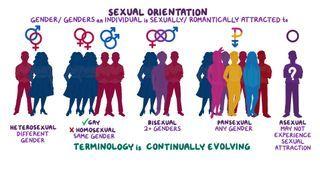
Osmosis video - Sexual orientation and gender identity
Learn deeper with Osmosis
Master this topic faster with videos, questions, and AI.
Used by 8M+ healthcare learners.
No credit card · Cancel anytime
00:00 / 00:00
More Videos
Empathetic listening for clinicians
Helping a patient with a rare disease

How to deliver bad news

How to give a good oral presentation
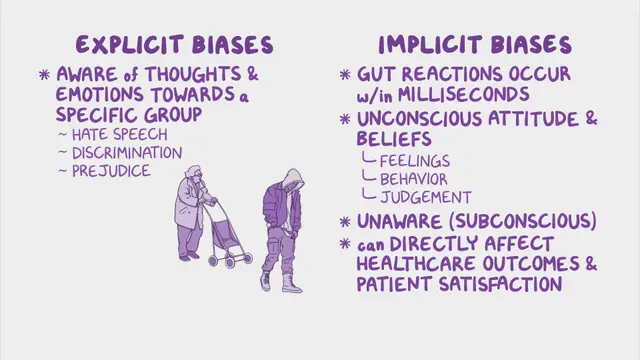
Implicit bias
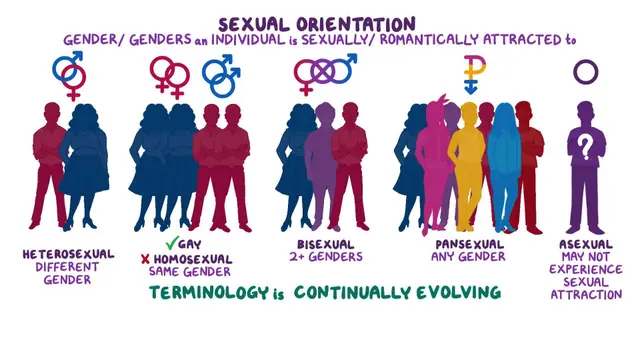
Sexual orientation and gender identity
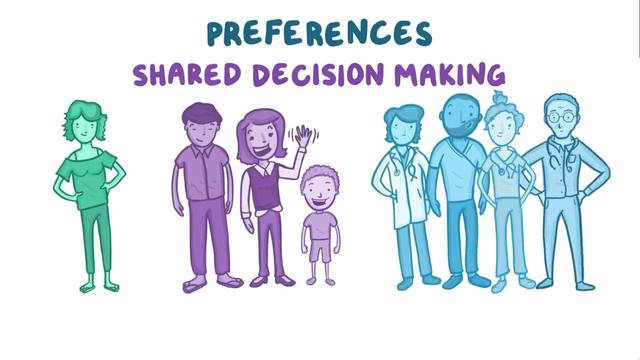
Shared decision-making

Taking a good patient history

The do's and don'ts of patient care

Writing a good progress note
Video Summary of Sexual orientation and gender identity
Sexual orientation refers to whom you are sexually or romantically attracted to, while gender identity is about how you identify yourself, and sex is about biology. Gender identity includes identities such as heterosexual, homosexual, bisexual, and pansexual. Gender identity refers to an individual's internal sense of their own gender, which may or may not align with the sex assigned to them at birth. It's also important to ask someone which pronouns to use when referring to them. Collecting this data is essential to show respect to patients and their families but also to understand the differences individuals with a particular sex and gender identity can have.