
Activity Intolerance · What Is It, Causes, Interventions, and More

Published: May 02, 2025
Author: Maria Emfietzoglou, MD
Editor: Alyssa Haag, MD
Editor: Emily Miao, MD, PharmD
Editor: Kelsey LaFayette, DNP, ARNP, FNP-C
Editor: Anna Hernández, MD
Illustrator: Jessica Reynolds, MS
Copyeditor: David G. Walker
7-day free trial

Go deeper with Osmosis

Osmosis is a learning platform with videos, questions, and AI tools to help you master topics like this.

4.8 · 12,000+ reviews
Watch quick, visual videos
Practice with Qbank-style questions
Use AI to explain, quiz, and review
Study anytime with the mobile app
Start free trial

No credit card · Cancel anytime

What is activity intolerance?

Activity intolerance refers to the inability to endure or complete activities of daily living due to increased fatigue, breathlessness, or pain. This can be due to a variety of causes, ranging from advanced age, a sedentary lifestyle and certain medical conditions, to mental health disorders like depression. Activity intolerance affects millions globally, primarily due to chronic conditions like heart disease, chronic obstructive pulmonary disease (COPD), and chronic fatigue syndrome (CFS). Nonetheless, there are several interventions that can be used to enhance physical endurance and improve quality of life 

Learn deeper with Osmosis

Master this topic faster with videos, questions, and AI.

Used by 8M+ healthcare learners.

Start free trial

No credit card · Cancel anytime

What causes activity intolerance?

Various physical and psychological factors can cause activity intolerance. Physical factors include advanced age, malnutrition, obesity, a sedentary lifestyle, and sleep disturbances, which can include either lack of sleep or prolonged bed rest. Other factors like depression may result in fatigue, lack of motivation, and low energy levels, which can reduce an individual’s ability to engage in physical activities. 

Activity intolerance is a hallmark symptom of heart failure, and it can also appear after having a heart attack. Other medical conditions, such as COPD and hypothyroidism may also lead to activity intolerance. Additionally, activity intolerance can occur due to severe pain from bone and joint problems, such as osteoarthritis, and may also be a side effect of certain medications, like beta-blockers (e.g., metoprolol, bisoprolol, carvedilol), antihistamines, and sedatives such as benzodiazepines 

Finally, activity intolerance is one of the most common symptoms of chronic fatigue syndrome (CFS), a disorder characterized by extreme fatigue that doesn't improve with rest and worsens with physical or mental activity. Its exact cause remains unknown, though it is suspected to be triggered by infections, immune system abnormalities, hormonal imbalances, or significant physical or emotional stress. 

What are the signs and symptoms of activity intolerance?

The most common signs and symptoms of activity intolerance include muscle weakness, extreme fatigue, and dizziness when performing daily activities. Individuals might also have a feeling of discomfortshortness of breath, as well as inappropriate rapid heart rate and high blood pressure upon exertion. Over time, activity intolerance can gradually reduce self-esteem and motivation to perform daily activities, such as doing the laundry, cooking a meal, or going to the grocery store, which significantly impair quality of life 

What are interventions for activity intolerance?

There are various interventions that can lead to an increase in activity tolerance. It may be useful to assess an individual’s capabilities and energy levels to prepare a personalized exercise routine that is consistent with the individual’s abilities and needs.   

It’s often helpful to plan activities during times of the day when the individual has maximum energy levels, which is usually during the morning. It may also be important to start with easier tasks (e.g., performing exercises in bed, sitting, or walking) and gradually increasing one’s activity level by progressing to more complex tasks, such as cleaning the house or walking around the neighborhood.  

Monitoring the individual’s responses to activity is essential while transitioning from easier to complex tasks, as it helps to assess progress and adjust activity levels.  

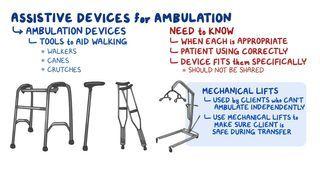
Performing an activity slowly with regular breaks for rest or with assistance and assistive equipment can also increase endurance. Endurance can also be enhanced by performing repetitive activities over a longer period of time. Exercise tolerance can also be improved by establishing a good breathing rhythm (i.e., inhaling on relaxation and exhaling on exertion). Finally, a healthy sleep routine and a balanced diet can also help deal with activity intolerance 

Another intervention that can restore an individual’s ability to perform regular activities is to encourage individuals to express their concerns and limitations with regards to the activities they can and cannot perform. Providing them with appropriate emotional and physical support can help in maintaining a positive attitude towards their abilities. 

Finally, specific treatments may be required to resolve or improve the underlying cause or condition. For example, individuals with osteoarthritis may improve their exercise tolerance with pain medications, whereas those with heart failure may require diuretics and other treatments to optimize heart function. Oxygen supplementation may be needed in individuals with low oxygen blood levels upon exertion.   

What are the most important facts to know about activity intolerance?

Activity intolerance is defined as the inability to perform or endure regular activities. There are various physical factors that can reduce activity tolerance, including advanced age, pain, bone and joint problems, heart disease, and dementia. Psychological factors, such as stress and depression, can also decrease the ability to endure daily activities. Common signs and symptoms of activity intolerance include weakness, fatigue, dizziness, difficulty breathing, and abnormal blood pressure and pulses. It can also lead to sleep problems and depressive symptoms. Several interventions can be used to enhance activity tolerance, including planning an individualized exercise routine, encouraging the individual to express their concerns, providing support, as well as addressing the underlying cause 

Key Takeaways

Definition
Activity intolerance refers to the inability to endure or complete activities of daily living due to increased fatigue, breathlessness, or pain.
Causes
- Physical factors
- Psychological factors
Signs and Symptoms
- Muscle weakness
- Extreme fatigue
- Dizziness
- Discomfort, dyspnea, and tachycardia during exertion
Interventions
- Plan activities
- Monitor response to activity
- Alternate rest and activity
- Adequate sleep
- Assistive devices as needed
- Specific treatments for underlying cause.
Students say Osmosis is 100% worth it

Because Osmosis saves them time. Lowers stress. And actually helps them remember when it counts.

I used Osmosis to prepare for my first medical school licensing exam! Super helpful and interactive for people who may not do great with just pages of text info!

Cecilia Ruiz

Cecilia Ruiz

MD student

Sayan Misra

I have used Osmosis for about four years. Best thing I have ever used for my medical studies.

Sayan Misra

Sayan Misra

Med student

Osmosis videos are superior because they define simple concepts, tell a story with a clear progression, and provide context.

Jay Pate

Jay Pate

Dental student

References


Cremers T, Zoulfi Khatiri M, van Maren K, Ring D. Moderators and mediators of activity intolerance related to pain. J Bone Joint Surg Am. 2021;103(3):205-212. doi:10.2106/JBJS.20.00241  


Goldstein R, Jardim JR, Nici L. The importance of addressing physical activity and exercise intolerance in our patients with COPD. Breathe (Sheff). 2024;20(2):230272. doi:10.1183/20734735.0272-2023  


Hanania NA, O’Donnell DE. Activity-related dyspnea in chronic obstructive pulmonary disease: physical and psychological consequences, unmet needs, and future directions. Int J Chron Obstruct Pulmon Dis. 2019;14:1127-1138. doi:10.2147/COPD.S188141  


Nacul L, Authier FJ, Scheibenbogen C. Chronic fatigue syndrome and myalgic encephalomyelitis: A comprehensive guide to understanding, managing, and treating complex conditions. Front Neurol. 2023;14. doi:10.3389/fneur.2023.1158794  


Rodrigues CG, Moraes MA, Sauer JM. Nursing diagnosis of activity intolerance: Clinical validation in patients with refractory angina. Int J Nurs Terminol Classif. 2011;22(3):117-122. doi:10.1111/j.1744-618X.2011.01182.x