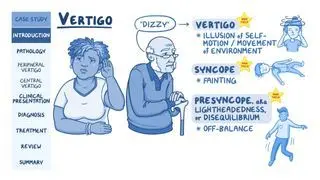
Benign paroxysmal positional vertigo (BPPV) is one of the most common causes of
vertigo. It is caused by a problem with the
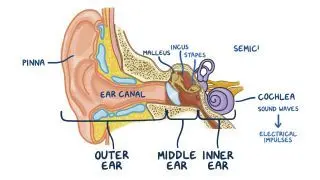
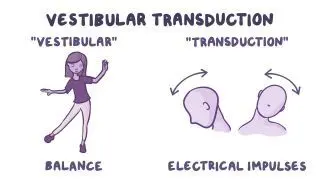
vestibular apparatus, which includes the otolith organs, named
utricle and saccule, and the
three semicircular canals. The utricle and saccule are the sensory organs responsible for static balance. They contain a fluid called endolymph and sensory hair cells that detect changes in
head position with horizontal or vertical acceleration. A
gelatinous layer called the otolithic membrane, which has tiny ear stones called otoliths, sits on the hair cells. The otoliths are essential for the proper functioning of the otolithic membrane, as they help deflect movement in the hair cells to process changes in linear acceleration. On the other hand, the
semicircular canals detect changes in head
rotation and are responsible for dynamic balance. Like the utricle and saccule, the semicircular canals contain sensory hair cells; however, they respond primarily to the movement of endolymph inside the canals.
BPPV occurs when otoliths move from their usual position in the utricle and into the semicircular canals, most commonly, the posterior canal. The otoliths then disrupt the normal flow of endolymph in the canals when the head moves in a specific direction. Without normal endolymphatic flow, the semicircular canals can’t detect movement. This causes the spinning sensation of vertigo and involuntary eye movements, known as nystagmus.
Although most cases of BPPV occur without any underlying identifiable cause, known risk factors include age over 50, previous history of
migraine,
head injury,
inner ear surgery, infections affecting the inner ear (e.g.,
labyrinthitis), and other balance disorders, like
vestibular neuritis.