
HELLP Syndrome · What Is It, Causes, Diagnosis, Treatment, and More

Published: Oct 17, 2025
Author: Katie Arps, BSN, RN
Editor: Anna Hernández, MD
Editor: Alyssa Haag, MD
Editor: Ian Mannarino, MD, MBA
Editor: Kelsey LaFayette, DNP, ARNP, FNP-C
Editor: Nikol Natalia Armata, MD
Illustrator: Jessica Reynolds, MS
Copyeditor: Stacy Johnson, LMSW
7-day free trial

Go deeper with Osmosis

Osmosis is a learning platform with videos, questions, and AI tools to help you master topics like this.

4.8 · 12,000+ reviews
Watch quick, visual videos
Practice with Qbank-style questions
Use AI to explain, quiz, and review
Study anytime with the mobile app
Start free trial

No credit card · Cancel anytime

What is HELLP syndrome?

HELLP syndrome is a life-threatening pregnancy complication characterized by the triad of Hemolysis, Elevated Liver enzymes, and Low Platelet count. HELLP syndrome may occur in up to 1% of all pregnancies, with most cases occurring throughout pregnancy during the third trimester, between 27-37 weeks, however cases have been reported even before 23 weeks. Less commonly, HELLP syndrome may develop within 48 hours of birth in the postpartum period.  

Early diagnosis is critical, as severe illness or death can occur in up to 25% of individuals afflicted. Individuals who develop HELLP syndrome require immediate, intensive treatment to ensure the best possible outcomes for both the pregnant individual and the fetus. 

Learn deeper with Osmosis

Master this topic faster with videos, questions, and AI.

Used by 8M+ healthcare learners.

Start free trial

No credit card · Cancel anytime

How does HELLP syndrome differ from preeclampsia?

Preeclampsia is a new onset of hypertension with proteinuria or other severe features occurring after 20 weeks of gestation or during the postpartum period. On the other hand, HELLP syndrome refers to a thrombotic microangiopathy characterized by the presence of hemolysis, elevated liver enzymes, and low platelet count. In HELLP syndrome, hypertension and proteinuria may not be present. Both conditions may coexist in 70-80% of cases. 

For preeclampsia, hypertension is defined as systolic blood pressure greater than or equal to 140 mmHg or diastolic blood pressure greater than or equal to 90 mmHg. Additionally, proteinuria or symptoms of significant end-organ dysfunction (e.g., renal insufficiency, impaired liver function, pulmonary edema, or persistent cerebral or visual symptoms) must also be present. Although it has long been believed that HELLP is a complication of severe preeclampsia, recent research supports that HELLP may be a different condition since 15-20% of those who develop HELLP do not have either hypertension or proteinuria. 

What causes HELLP syndrome?

The exact cause of HELLP syndrome is still unknown; however, the pathogenesis has been associated with an inflammatory response in the placenta–liver axis. HELLP syndrome often occurs as a complication of preeclampsia or eclampsia 

The hemolysis that occurs in HELLP syndrome happens when red blood cells become damaged as they circulate through the systematically impaired endothelial cells. High blood pressure can additionally damage the vascular endothelium and thereby excessively activate the coagulation cascade leading to the consumption of platelets, formation of blood clots, and ultimately low platelet counts. Some of these clots may deposit in the hepatic blood vessels, causing congestion, thereby leading to increased intrahepatic pressure and, consequently, liver damage and elevated liver enzymes 

Risk factors for HELLP include a history of preeclampsia or HELLP in previous pregnancies; a family history of HELLP or preeclampsia, history of autoimmune diseases; multiparity, which comprises over 50% of HELLP cases; age over 30 years; and SARS-CoV-2 infection during pregnancy. The antiphospholipid syndrome (APLS) has also been associated with early onset of HELLP. 

What are the signs and symptoms of HELLP syndrome?

The hallmark symptoms of HELLP syndrome include right upper quadrant abdominal pain or epigastric pain resulting from liver distension. Individuals may experience general symptoms like nausea, vomiting, generalized edema, malaise, headache, visual changes, or jaundice. As the individual’s condition worsens, the damaged liver may swell and, in some cases, the liver capsule may rupture, leading to subcapsular hematoma. Subcapsular hematomas may present with severely increased right upper quadrant or epigastric pain, dyspnea, pallor, nausea, and vomiting. 

If HELLP is not treated, it can result in life-threatening complications, including placental abruption, preterm delivery, acute kidney injury, pulmonary edema, acute respiratory distress syndrome, stroke, and retinal detachment. Additionally, placental abruption or liver hematoma rupture may lead to disseminated intravascular coagulation (DIC), a widespread clotting disorder that can cause damage to multiple organs. 

How is HELLP syndrome diagnosed?

Diagnosis of HELLP is based on the triad of laboratory findings that make up the syndrome’s name: hemolysis, elevated liver enzymes, and low platelets (i.e., thrombocytopenia).   

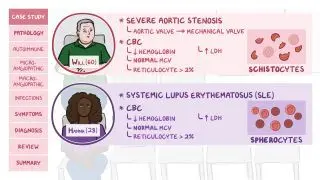
There are variations in diagnostic criteria from experts; however, the American College of Obstetrics and Gynecology (ACOG) states the presence of two of three of the following are needed for diagnosis: lactate dehydrogenase (LDH) greater than or equal to 600 IU/L; liver enzymes AST and ALT greater than twice the upper limit of normal; and platelet count less than 100,000 cells/microL. Hemolysis may also be confirmed by the presence of fragmented red blood cells (i.e., schistocytes) on a peripheral blood smear and by identifying elevated bilirubin levels or low haptoglobin levels on a blood test.   

HELLP can be further classified based on the severity of the low platelet count. According to the Mississippi classification HELLP syndrome is classified into three categories. Class I HELLP syndrome (i.e., platelet count below 50,000/microL, AST/ALT ≥ 70 IU/L, LDH ≥ 600 IU/L) is the most severe, with a higher rate of morbidity and mortality than Class II (i.e., platelet count between 50,000 to 100,000/microL) and Class III (i.e., platelet count between 100,000 to 150,000/microL, AST/ALT ≥ 40 IU/L) HELLP syndromes. 

How is HELLP syndrome treated?

Treatment of HELLP syndrome is typically conducted in tertiary care centers with both adult and neonatal intensive care units.  

The ultimate treatment of HELLP syndrome is the delivery of the fetus and the placenta, after which the signs and symptoms of HELLP typically resolve. Immediate delivery is recommended for individuals who have reached 34 weeks of pregnancy, those who have not reached a viable gestational age, in cases of fetal demise, or if placental abruption is present.  The typical course of treatment for pregnancies between 24 weeks and 34 weeks gestation is the administration of corticosteroids (e.g., betamethasone) to aid in fetal lung maturation, followed by delivery. Vaginal delivery is preferred to reduce the risk of bleeding and clotting complications associated with cesarean delivery. Some individuals may benefit from a blood transfusion, specifically a red blood cell transfusion in cases of severe anemia or a platelet transfusion to prevent excessive bleeding during birth. 

Additional measures are aimed at managing complications, such as administering antihypertensive medications (e.g., hydralazine, labetalol, methyldopa, or nifedipine) to stabilize blood pressure and IV magnesium sulfate to prevent seizures. Close monitoring of the maternal platelets count and liver enzymes should be conducted every 12 hours, even after delivery.  

What are the essential facts to know about HELLP syndrome?

HELLP syndrome is a life-threatening pregnancy complication characterized by the presence of Hemolysis, Elevated Liver enzymes, and Low Platelet count. Individuals with HELLP often present with right upper quadrant abdominal pain or epigastric pain resulting from liver distension and may also experience nausea, vomiting, hypertension, or proteinuria. Once a diagnosis is established, hospitalization is necessary due to a high risk for the condition to worsen rapidly. Treatment involves the delivery of the fetus and placenta and supportive care, including magnesium sulfate for seizure prevention, antihypertensive medications, and IV fluids.  

Key Takeaways

Definition 

HELLP syndrome is a life-threatening pregnancy complication characterized by the triad of Hemolysis, Elevated Liver enzymes, and Low Platelet count, most commonly occurring in the third trimester and requiring immediate treatment, as severe illness or death can occur in up to 25% of individuals.  

HELLP vs Preeclampsia

- Preeclampsia:  

     - New onset of hypertension + proteinuria or other signs of significant end-organ dysfunction, occurring after 20 weeks of gestation or during the postpartum period 

- HELLP:  

     - Thrombotic microangiopathy: hemolysis, elevated liver enzymes, low platelet count 

     - Hypertension and proteinuria may not be present  

     - Was thought to be a complication of severe preeclampsia (coexist in 70-80% of cases), but is now thought to be a different condition  

Causes

- Inflammatory response in the placenta-liver axis  

- Often complication of preeclampsia or eclampsia  

- Impaired endothelial cells → RBC destruction → hemolysis 

- Hypertension → endothelial injury → coagulation activation → platelet consumption → low platelets 

- Clot deposition in hepatic vessels → congestion → ↑ intrahepatic pressure → liver damage → ↑ liver enzymes 

- Risk factors: 

     - History/family history of preeclampsia or HELLP 

     - Autoimmune diseases (e.g., APLS) 

     - Multiparity (>50% of cases) 

     - Maternal age >30 years 

     - SARS-CoV-2 infection during pregnancy 

Signs and Symptoms 

- Right upper quadrant abdominal pain or epigastric pain (liver distension) 

- If subcapsular hematoma → severely increased right upper quadrant or epigastric pain, dyspnea, pallor, nausea, vomiting 

- General symptoms:  

     - Nausea 

     - Vomiting 

     - Generalized edema  

     - Malaise  

     - Headache 

     - Visual changes 

     - Jaundice  

- Life-threatening complications if untreated:  

     - Placental abruption  

     - Preterm delivery  

     - Acute kidney injury  

     - Pulmonary edema  

     - Acute respiratory distress syndrome  

     - Stroke  

     - Retinal detachment 

     - Disseminated intravascular coagulation  

Diagnosis 

- Triad of laboratory findings:  

     - HemolysisLDH ≥600 IU/L, schistocytes, elevated bilirubin, low haptoglobin  

     - Elevated liver enzymes: AST and ALT > twice the upper limit of normal 

     - Low platelet count: <100,000 cells/microL 

- Classification into class I (most severe), class II, and class III according to laboratory values  

Treatment 

- Tertiary care centers  

- Treatment: delivery of fetus and placenta  

- Immediate delivery if:  

     - ≥34 weeks gestation 

     - Non-viable gestational age 

     - Fetal demise 

     - Placental abruption 

     - 24–34 weeks gestation: administer corticosteroids (e.g., betamethasone) for fetal lung maturation before delivery 

     - Preferred delivery method: vaginal  

- Transfusions

Students say Osmosis is 100% worth it

Because Osmosis saves them time. Lowers stress. And actually helps them remember when it counts.

I used Osmosis to prepare for my first medical school licensing exam! Super helpful and interactive for people who may not do great with just pages of text info!

Cecilia Ruiz

Cecilia Ruiz

MD student

Sayan Misra

I have used Osmosis for about four years. Best thing I have ever used for my medical studies.

Sayan Misra

Sayan Misra

Med student

Osmosis videos are superior because they define simple concepts, tell a story with a clear progression, and provide context.

Jay Pate

Jay Pate

Dental student

References


Adorno M, Maher-Griffiths C, Grush Abadie HR. HELLP syndrome. Critical Care Nursing Clinics of North America. 2022;34(3):277-288. doi:https://doi.org/10.1016/j.cnc.2022.04.009  


Giannubilo SR, Marzioni D, Tossetta G, Ciavattini A. HELLP syndrome and differential diagnosis with other thrombotic microangiopathies in pregnancy. Diagnostics (Basel). 2024;14(4):352. Published 2024 Feb 6. doi:10.3390/diagnostics14040352 


Murray S, McKinney E, Shaw Holub K, Jones R. Foundations of Maternal-Newborn and Women's Health Nursing. 7th ed. Elsevier; 2019.


Ndzengue A, Hammoudeh F, Brutus P, et al. An obscure case of hepatic subcapsular hematoma. Case Rep Gastroenterol. 2011;5(1):223–226. doi:10.1159/000326998