
Paroxysmal Cough

What It Is, Causes, Signs and Symptoms, Diagnosis, and More

Author: Emily Miao, PharmD, MD
Editor: Alyssa Haag, MD
Editor: Józia McGowan, DO
Editor: Kelsey LaFayette, DNP, ARNP, FNP-C
Illustrator: Jannat Day
Modified: Feb 06, 2026

What is a paroxysmal cough?

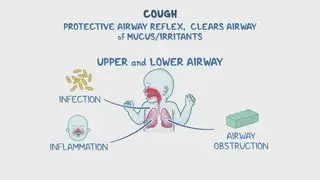
A paroxysmal cough is characterized by recurrent episodes of sudden, uncontrollable coughing. The term paroxysmal refers to the sudden increase of symptoms, followed by the rapid resolution of symptoms. Paroxysmal coughing is often observed in people with respiratory tract infectionslung diseases such as chronic obstructive pulmonary disease (COPD), or allergies. 
An infographic detailing the background, signs and symptoms, diagnosis, and treatment of paroxysmal cough.

What causes a paroxysmal cough?

A paroxysmal cough can be caused by a variety of etiologies including respiratory infections, chronic lung diseases, and allergies. A paroxysmal cough is classically observed in a bacterial infection caused by Bordetella pertussis, also known as whooping cough or pertussis. It is an acute respiratory infection that typically affects children since their immune systems may not be fully mature, as well as individuals who are unvaccinated against the bacteria. Pertussis infection is divided into three stages: catarrhal, paroxysmal, and convalescent stages. The catarrhal stage, which is related to inflammation of the mucous membranes, lasts 1 to 2 weeks and is characterized by an insidious onset of symptoms similar to the common cold (e.g., runny nose, cough). The paroxysmal stage, which can last 1 to 6 weeks, is characterized by paroxysmal coughing, where individuals experience intermittent cough attacks. Finally, the convalescent stage is characterized by a gradual recovery, when cough symptoms become less paroxysmal and disappear. Moreover, paroxysmal coughing can be seen with other infections (e.g., pneumonia, bronchitis) as pathogens may irritate the airways and trigger coughing fits 
 
Paroxysmal coughing may also be seen in chronic health conditions like chronic obstructive pulmonary disease (COPD) as a result of airway inflammation and excess mucus production. Additionally, allergies may also cause paroxysmal coughing, as environmental allergens (e.g., pollen, mold, pet dander) can cause a hyper-inflammatory response.  

What are the signs and symptoms of a paroxysmal cough?

Signs and symptoms of a paroxysmal cough include an intense, sudden onset of dry cough (i.e., cough without sputum production) or wet cough (e.g., cough with sputum production) which resolves spontaneously. In the case of Bordetella pertussis infection, individuals may experience coughing fits consisting of high-pitched cough sounds, which is how it gets its colloquial name: whooping cough. In some instances, these coughing episodes may involve prolonged use of the intercostal muscles, leaving individuals feeling fatigued. Other systemic symptoms of Bordetella pertussis infection may include myalgias (i.e., body aches), fever, fatigue, and malaise.     

In COPD, individuals may experience breathlessness, increased sputum production, and worsened cough. Finally, in the case of allergies, individuals may also experience red, itchy, and watery eyes; and a cough which occurs as a result of persistent irritation of the lungs from allergens and triggers.  

How is a paroxysmal cough identified?

 Identification of a paroxysmal cough is clinical and begins with a thorough review of symptoms, medical, and vaccination history. If the individual is up to date with their vaccinations, pertussis infection is less likely to cause paroxysmal cough. A focused physical exam that examines the lungs can help identify wheezing, crackles (i.e., rales), or rhonchi, which can be suggestive of an underlying respiratory condition or infection. If a respiratory condition like asthma or COPD is suspected, a referral to a pulmonologist for further evaluation (e.g., pulmonary function tests) may be indicated. If a respiratory infection is suspected, a nasal swab, sputum culture, and respiratory panel can help isolate the organism. A complete blood count may reveal an elevated number of white blood cells. A chest X-ray may help identify underlying conditions (e.g., pneumonia). 

How is a paroxysmal cough treated?

A paroxysmal cough is treated based on addressing the underlying etiology and with supportive care measures to improve the individual’s symptoms. Supportive care measures include hydration with oral fluids, the use of a humidifier to soothe irritated airways, and avoidance of triggers (e.g., smoking, allergens). In the case of bacterial respiratory infections such as whooping cough, oral antibiotics (e.g., azithromycin) may be prescribed. After the acute infection subsides, routine vaccinations should be kept up to date to prevent further episodes. Viral respiratory infections are often self-resolving; however, individuals should avoid close contact with friends and family in the infectious stage to prevent the spread of the infection.   

Medications such as dextromethorphan or codeine can suppress the cough reflex and prevent severe coughing episodes. If phlegm is present, mucolytic medications, like guaifenesin, can break up and loosen mucus so it can be expectorated properly. If the underlying etiology is asthma or chronic obstructive pulmonary disease, then bronchodilators (e.g., albuterol) and inhaled corticosteroids (e.g., fluticasone) can be used for maintenance therapy. Individuals who are missing routine vaccinations should be encouraged to receive appropriate vaccinations to prevent disease development and transmission.

What are the most important facts to know about paroxysmal coughs?

A paroxysmal cough is characterized by sudden, uncontrollable coughing that occurs in recurrent episodes. Paroxysmal refers to the sudden increase of symptoms, followed by the rapid resolution of symptoms. A paroxysmal cough can be caused by a variety of etiologies including respiratory system infections, chronic lung diseases, and allergies. Signs and symptoms of paroxysmal coughing include an intense, sudden onset dry cough or wet cough which resolves spontaneously. Identification consists of a focused history and physical exam. A paroxysmal cough is treated based on addressing the underlying etiology and with supportive care measures to improve the individual’s symptoms.  

Key Takeaways

Definition 

A paroxysmal cough is characterized by recurrent episodes of sudden, uncontrollable coughing often observed in people with respiratory tract infections, COPD, or allergies 

Causes 

- Respiratory infections  

     - Bacterial infections, e.g.:  

          - Bordetella pertussis (paroxysmal stage) 

          - Pneumonia  

          - Bronchitis  

- Chronic lung diseases  

     - Chronic obstructive pulmonary disease (COPD) 

- Allergies  

     - Hyper-inflammatory response from environmental allergens 

Signs and Symptoms  

- Intense, sudden onset of dry or wet cough with spontaneous resolution  

- Cause-specific symptoms:  

     - Bordetella pertussis: high-pitched cough sounds; fatigue from intercostal muscle use; myalgia; fever; fatigue; malaise 

     - COPD: breathlessness, increased sputum production, worsened cough 

     - Allergies: red, itchy, watery eyes  

Identification

- Review of symptoms, medical, and vaccination history  

- Focused physical exam (lungs)  

- Suspicion of asthma or COPD → referral to pulmonologist 

- Suspicion of respiratory infection → nasal swab, sputum culture, respiratory panel  

- Complete blood count  

Treatment 

- Supportive care measures:  

     - Hydration  

     - Humidifier use  

     - Avoidance of triggers (smoking, allergens) 

- Treatment of underlying etiology 

     - Bacterial infections → oral antibiotics  

          - Followed by routine vaccinations, if not up to date  

     - Viral infections → usually self-resolving  

          - Avoidance of contact with friends and family  

     - COPD → bronchodilators and inhaled corticosteroids  

          - Followed by recommended routine vaccinations, if not up to date   

- Medications suppressing cough reflex (dextromethorphan, codeine) 

References


Argondizo-Correia C, Rodrigues AKS, de Brito CA. Neonatal immunity to Bordetella pertussis infection and current prevention strategies. J Immunol Res. 2019;2019:7134168. Published 2019 Feb 10. doi:10.1155/2019/7134168  


Bredemeyer M. Reflux-cough syndrome: Guidelines from the ACCP. Am Fam Physician. 2017;96(9):611. 


Mazzone SB, Farrell MJ. Heterogeneity of cough neurobiology: Clinical implications. Pulm Pharmacol Ther. 2019;55:62-66. doi:10.1016/j.pupt.2019.02.002  


Michaudet C, Malaty J. Chronic cough: Evaluation and management. Am Fam Physician. 2017;96(9):575-580.  


Pimentel AM, Baptista PN, Ximenes RA, et al. Pertussis may be the cause of prolonged cough in adolescents and adults in the interepidemic period. Braz J Infect Dis. 2015;19(1):43-46. doi:10.1016/j.bjid.2014.09.001