
Pelizaeus-Merzbacher disease

What It Is, Causes, Signs and Symptoms, Treatment, and More

Author: Ashley Mauldin, MSN, APRN, FNP-BC, CNE
Editor: Alyssa Haag
Editor: Ian Mannarino MD, MBA
Editor: Kelsey LaFayette, DNP, ARNP, FNP-C
Modified: May 25, 2026

What is Pelizaeus-Merzbacher disease?

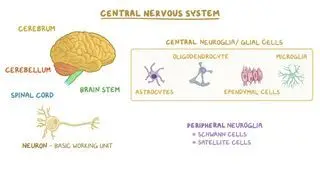
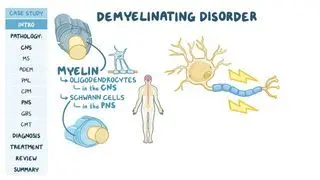
Pelizaeus-Merzbacher disease (PMD) is a rare condition characterized by demyelination and progressive degeneration of the central nervous system (CNS), which includes the brain and spinal cord. This leads to decreased motor and cognitive function, as well as decreased coordination. There are three types of PMD: classic Pelizaeus-Merzbacher disease, transitional Pelizaeus-Merzbacher disease, and connatal Pelizaeus-Merzbacher disease. Classic PMD is the most common form and shares similar features with connatal PMD, though connatal PMD tends to cause more severe symptoms. Those with the severe form of PMD have a poorer prognosis, while those with the classic form of the condition may have an average life expectancy

PMD is classified within a group of genetic disorders called leukodystrophies. Leukodystrophies are movement disorders that cause defects in the white matter of the brain and spinal cord.  Other leukodystrophies include adrenoleukodystrophy (ALD), Canavan disease, Niemann-Pick disease, and cerebral adrenoleukodystrophy.

An infographic detailing pelizaeus-merzbacher disease

What causes Pelizaeus-Merzbacher disease?

PMD is caused by a mutation in the PLP1 gene, an X-linked gene that controls proteolipid protein-1 (PLP1) synthesis. Mutations in the PLP1 gene cause an impaired ability of the body to produce myelin. Myelin, also known as the myelin sheath, is an insulating sleeve that covers the axons, or nerve fibers, of the CNS that help with electrical conduction and protection. PLP adheres and compacts myelin membranes together, playing an integral role in the stabilization of the myelin sheath to support nerve conduction down the axon terminal. Without the myelin sheath, signal conduction from the central and peripheral nervous system is impaired.

PMD more commonly affects genetic males than genetic females as genetic females have two X chromosomes. The unaffected X chromosome is usually able to compensate for the defective X chromosome, while genetic males only have one X chromosome, therefore they are unable to counteract the effects of the defective gene. Thus, PMD is said to follow an X-linked recessive inheritance pattern.

In the United States, the prevalence of PMD is around 1 in every 200,000 to 1 in every 500,000 individuals.

What are the signs and symptoms of Pelizaeus-Merzbacher disease?

The signs and symptoms of PMD vary greatly but generally begin within the first year of life. With classic Pelizaeus-Merzbacher disease, the infant will typically initially experience problems with movement, specifically an inability to control the movements of the head. Symptoms may include unusual head bobbing and nystagmus, or rapid involuntary movements of the eyes. The infant may also have delayed growth, facial grimacing, a lack of muscle tone (i.e., hypotonia), and issues with coordination (i.e., ataxia). Over time they can develop more progressive problems such as muscle contractures, muscle spasms, skeletal deformities, and swallowing problems. Infants with PMD can also have developmental delays.

Connatal Pelizaeus-Merzbacher disease is a more severe form of PMD that is often present at birth and begins more rapidly with nystagmus, muscle spasticity, and seizures, and is commonly fatal during the first decade of life. Transitional PMD is usually a mix of classic and connatal features and usually progresses slower than connatal and faster than classic.

How is Pelizaeus-Merzbacher disease diagnosed?

PMD is diagnosed through a physical examination, patient history of symptoms, and clinical evaluation with the use of MRI and CT scans to assess for a deficiency of white matter. Confirmation of diagnosis usually requires molecular genetic testing to identify the defective PLP1 gene. Genetic testing can also be performed to determine if an individual is a carrier of the defective PLP1 gene.

How is Pelizaeus-Merzbacher disease treated?

There is currently no cure for PMD so treatment is usually aimed at symptomatic support to help improve one’s quality of life and increase their lifespan. For those experiencing muscle spasms and dystonia, muscle relaxants like baclofen are generally prescribed to help reduce discomfort. Assistive devices like a walker or wheelchair are commonly recommended for those with difficulties in ambulation or coordination. For seizures, antiepileptic medications, like carbamazepine or topiramate can be prescribed. For swallowing difficulties, feeding therapy and feeding devices like gastrostomy tubes may be needed. Additionally, emotional support and genetic counseling can be provided for families and individuals with PMD.

What are the most important facts to know about Pelizaeus-Merzbacher disease?

Pelizaeus-Merzbacher disease (PMD) is a rare condition characterized by demyelination and progressive degeneration of the central nervous system. PMD can cause decreased motor and cognitive function, as well as decreased coordination. There are three types of PMD: classic transitional, and connatal. PMD is caused by a mutation in an X-linked gene that controls proteolipid protein-1 (PLP1) synthesis, thereby causing an impaired ability of the body to produce myelin. The signs and symptoms of PMD can greatly vary but generally begin within the first year of life with problems with movement, specifically an inability to control the movements of the head. PMD is diagnosed through a clinical evaluation to assess for a deficiency of white matter, along with genetic testing for confirmation. Treatment for PMD is usually aimed at symptomatic support to improve quality of life and increase lifespan as there is currently no cure for PMD.

Key Takeaways

Definition 

A type of leukodystrophy characterized by demyelination and progressive degeneration of the central nervous system, which leads to decreased motor and cognitive function 

Types  

 - Classic PMD (average life expectancy 

 - Transitional PMD  

 - Connatal PMD (more severe, poorer prognosis) 

Cause 

PLP1 gene mutation* → impaired myelin sheath production → impaired signal conduction  

*X-linked recessive inheritance pattern (males more affected than females 

Signs and Symptoms 

 - Classic PMD 

- From first year of life  

- Motor dysfunctions: head bobbing; nystagmus; facial grimacing; ataxia  

- Delayed growth  

- Hypotonia  

- Over time: muscle contractures and spasms; skeletal deformities; swallowing problems; developmental delays 

 - Connatal PMD: more severe, often fatal during first decade  

- Often presents at birth 

- Nystagmus  

- Muscle spasticity  

- Seizures  

 - Transitional PMD 

- Mix of classic and connatal  

- Progression: slower than connatal, faster than classic  

Diagnosis 

 - Medical history  

 - Physical examination  

 - Imaging (CT, MRI scan) to assess for white matter deficiency 

 - Molecular genetic testing (confirmation)  

Treatment 

 - No cure 

 - Symptomatic support:  

 - Muscle relaxants (e.g., baclofen 

 - Assistive devices (walked, wheelchair 

 - Antiepileptic medications  

 - Feeding therapy and feeding devices  

 - Emotional support  

 - Genetic counselling 

References


Pelizaeus-Merzbacher Disease. National Institute of Neurological Disorders and Stroke. https://www.ninds.nih.gov/health-information/disorders/pelizaeus-merzbacher-disease#:~:text=What%20is%20Pelizaeus%2DMerzbacher%20disease 


Pelizaeus-Merzbacher Disease. Hunter’s Hope. https://www.huntershope.org/family-care/leukodystrophies/pelizaeus-merzbacher-disease/ 


Pelizaeus-Merzbacher Disease - Symptoms, Causes, Treatment | NORD. rarediseases.org. Accessed April 18, 2024. https://rarediseases.org/rare-diseases/pelizaeus-merzbacher-disease/#disease-overview-main 


Nahhas N, Conant A, Orthmann-Murphy J, Vanderver A, Hobson G. Table 4. [Treatment of Manifestations in Individuals with Pelizaeus-Merzbacher-Like Disease 1]. www.ncbi.nlm.nih.gov. Published January 17, 2019. Accessed April 18, 2024. https://www.ncbi.nlm.nih.gov/books/NBK470716/table/pmld1.T.treatment_of_manifestations_in_i/ 


Osorio MJ, Rowitch DH, Tesar P, Wernig M, Windrem MS, Goldman SA. Concise Review: Stem Cell-Based Treatment of Pelizaeus-Merzbacher Disease. STEM CELLS. 2016;35(2):311-315. doi:https://doi.org/10.1002/stem.2530 


Philadelphia TCH of. Leukodystrophy. www.chop.edu. Published June 15, 2016. https://www.chop.edu/conditions-diseases/leukodystrophy#:~:text=Leukodystrophies%20are%20a%20group%20of 


Garbern JY. Pelizaeus-Merzbacher disease: Genetic and cellular pathogenesis. Cellular and Molecular Life Sciences. 2006;64(1):50-65. doi:https://doi.org/10.1007/s00018-006-6182-8 


Laukka JJ, Kamholz J, Bessert D, Skoff RP. Novel pathologic findings in patients with Pelizaeus-Merzbacher disease. Neuroscience Letters. 2016;627:222-232. doi:https://doi.org/10.1016/j.neulet.2016.05.028 


Pelizaeus-Merzbacher Disease | National Institute of Neurological Disorders and Stroke. www.ninds.nih.gov. https://www.ninds.nih.gov/health-information/disorders/pelizaeus-merzbacher-disease