
Wolfram Syndrome · What It Is, Causes, Signs and Symptoms, Treatment, and More

Published: Apr 22, 2026
Author: Emily Miao, PharmD
Editor: Alyssa Haag
Editor: Ian Mannarino MD, MBA
Editor: Kelsey LaFayette, DNP, RN
7-day free trial

Go deeper with Osmosis

Osmosis is a learning platform with videos, questions, and AI tools to help you master topics like this.

4.8 · 12,000+ reviews
Watch quick, visual videos
Practice with Qbank-style questions
Use AI to explain, quiz, and review
Study anytime with the mobile app
Start free trial

No credit card · Cancel anytime

What is Wolfram syndrome?

Wolfram syndrome, also known as DIDMOAD, is a rare genetic disorder characterized by a combination of diabetes insipidus,  type I diabetes mellitus, optic nerve atrophy, and hearing loss or deafness. Wolfram syndrome is often diagnosed between early childhood and adolescence with insulin-dependent diabetes mellitus (i.e., a condition in which the body does not produce insulin or makes minimal amounts which result in difficulty controlling blood glucose) being the first sign. Wolfram syndrome affects all genders equally. According to a study in the United Kingdom, Wolfram syndrome has an estimated prevalence of 1 in 770,000 people, though estimates vary between 1 and 55,000 to 1 in 1,300,000 depending on the study location.

Learn deeper with Osmosis

Master this topic faster with videos, questions, and AI.

Used by 8M+ healthcare learners.

Start free trial

No credit card · Cancel anytime

What causes Wolfram syndrome?

Wolfram syndrome is thought to be caused by mutations in the WFS1 and WFS2 genes. The WFS1 gene encodes a protein called wolframin, a multifunctional transmembrane protein that regulates a host of cellular functions, and is responsible for regulating insulin signaling, apoptosis, and the calcium concentrations within the endoplasmic reticulum (i.e., organelle involved in protein and lipid synthesis) of cells. Calcium homeostasis is especially important for proper protein folding and processing within the endoplasmic reticulum. When the WFS1 gene is mutated, endoplasmic reticulum function is disrupted and cell death can occur, particularly in optic neurons, cells of the inner ear, and pancreatic beta cells which produce insulin.  
 
WFS1 and WFS2 gene mutations are often inherited in an autosomal dominant pattern, but there have been some cases where autosomal recessive patterns have been described. Autosomal dominant disorders cause disease when the individual inherits one copy of a mutated gene from either parent, whereas autosomal recessive disorders cause disease when two copies of a mutated gene are inherited (i.e., one from each affected parent).

What are the signs and symptoms of Wolfram syndrome?

Signs and symptoms of Wolfram syndrome include diabetes insipidus, type 1 diabetes mellitus, gradual loss of vision secondary to optic nerve atrophy, and deafness. Most affected individuals present with insulin-dependent diabetes mellitus as the first sign, often before 16 years of age. Symptoms of insulin-dependent diabetes mellitus may include frequent urination, excessive thirst, unintended weight loss, increased appetite, and vision changes 

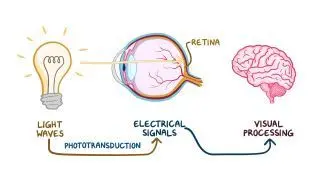
Additionally, optic nerve atrophy occurs in over 80% of individuals with Wolfram syndrome. The optic nerve is responsible for conveying visual information to the brain for processing. Individuals may experience color blindness and gradual loss of vision beginning in adolescence. The rate of vision loss may either decline slowly or rapidly.   

Other signs include the development of diabetes insipidus and hearing loss, which occur approximately in 60% and 50% of cases, respectively. Diabetes insipidus is a condition in which the body is unable to make adequate levels of a hormone called vasopressin. Vasopressin, also known as antidiuretic hormone (ADH), is responsible for concentrating urine in the kidneys. Symptoms of diabetes insipidus include thirst, frequent urination, dehydration, and weakness. Finally, sensorineural hearing loss may occur at any age and may be partial or complete. Other features of Wolfram syndrome include neurologic symptoms (e.g., ataxia, poor balance and coordination) and psychiatric co-morbidities (e.g., depression, anxiety).  

How is Wolfram syndrome diagnosed?

Diagnosis of Wolfram syndrome begins with a thorough review of symptoms, medical history, and physical exam. If Wolfram syndrome is suspected based on the clinical history, a referral to an ophthalmologist for a comprehensive ophthalmologic evaluation can be helpful for an assessment of the optic nerve and retinal function. An audiologic evaluation performed by an audiologist can identify the severity of sensorineural deafness, if present. Laboratory testing can be performed to evaluate for diabetes mellitus (e.g., hemoglobin A1c) and diabetes insipidus (e.g., urine osmolality). The diagnosis is confirmed with genetic testing for mutations in the WFS1 and WFS2 genes via genome sequencing, which analyzes the individual’s DNA sequence for the presence of these pathogenic variants. 

How is Wolfram syndrome treated?

Currently, there is no cure for Wolfram syndrome, therefore treatment consists of pharmacotherapy and supportive care measures to reduce disease-related complications and improve the individual’s quality of life. People with Wolfram syndrome may benefit from a multidisciplinary treatment team of specialists including pediatricians, endocrinologists, ophthalmologists, neurologists, and audiologists. Treatment for type 1 diabetes mellitus includes routine insulin injections to decrease and control blood sugar levels. Diabetes insipidus may be treated with intranasal or oral desmopressin. Individuals with hearing loss may benefit from hearing aids or cochlear implants, which are small electronic devices that improve hearing in people with moderate to profound hearing loss. Additionally, there is no cure for vision loss secondary to optic atrophy, therefore routine care with an ophthalmologist can help monitor visual deterioration and address refractive errors, if present.  

Genetic counseling and mental health support may be provided to the individual and their family to help cope with the diagnosis and understand the risk of passing the gene to future offspring. The prognosis of patients with Wolfram syndrome is poor, as the life expectancy ranges from 25 to 50 years, with an average of 30 years.

What are the most important facts to know about Wolfram syndrome?

Wolfram syndrome, also known as DIDMOAD or diabetes insipidus, diabetes mellitus, optic atrophy, deafness,” is a rare genetic disorder that damages the brain and various tissues in the body. Wolfram syndrome is thought to be caused by mutations in the WFS1 and WFS2 genes. When the WFS1 gene is mutated, endoplasmic reticulum function is disrupted and this leads to cell death, particularly in pancreatic beta cells, optic neurons, and cells of the inner ear. Signs and symptoms of Wolfram syndrome include diabetes insipidus, Type 1 diabetes mellitus, gradual loss of vision secondary to optic nerve atrophy, and deafness. The diagnosis is confirmed with genetic testing for mutations in the WFS1 and WFS2 genes via genome sequencing. There is no cure for Wolfram syndrome, therefore treatment consists of pharmacotherapy and supportive care measures.  The prognosis of patients with Wolfram syndrome is poor, as the life expectancy ranges from 25 to 50 years. 

Key Takeaways

Definition 

Rare genetic disorder characterized by a combination of diabetes insipidus, type I diabetes mellitus, optic nerve atrophy, and hearing loss. 

Epidemiology 

 - Often diagnosed in early childhood-adolescence  

 - Both sexes equally affected 

 - Estimated prevalence between 1 in 55,000 to 1 in 1,300,000 

Causes 

 - Mutations in WFS1 and WFS2 genes 

 - Wolframin dysfunction → disrupted endoplasmic reticulum function and cell death  

 - Often autosomal dominant, but autosomal recessive cases have been described  

Signs and Symptoms 

 - Type 1 diabetes mellitus (often first sign)  

 - Frequent urination; excessive thirst; unintended weight loss; increased appetite; vision changes  

 - Gradual vision loss (optic nerve atrophy); color blindness  

 - Hearing loss (partial/complete)  

 - Diabetes insipidus   

 - Thirst; frequent urination; dehydration; weakness 

 - Other features: neurologic symptoms; psychiatric co-morbidities  

Diagnosis 

 - Review of signs and symptoms 

 - Medical history  

 - Physical examination  

 - Referrals to ophthalmologist, audiologist  

 - Laboratory testing (e.g., urine osmolality 

 - Genetic testing  

Treatment 

 - Supportive care by multidisciplinary team  

 - Type 1 diabetes mellitus: insulin injections  

 - Diabetes insipidus: intranasal or oral desmopressin  

 - Hearing aids  

 - Routine ophthalmological care  

 - Genetic counseling and mental health support  

 - Life expectancy: 25-50 years (average 30 years)  

Students say Osmosis is 100% worth it

Because Osmosis saves them time. Lowers stress. And actually helps them remember when it counts.

I used Osmosis to prepare for my first medical school licensing exam! Super helpful and interactive for people who may not do great with just pages of text info!

Cecilia Ruiz

Cecilia Ruiz

MD student

Sayan Misra

I have used Osmosis for about four years. Best thing I have ever used for my medical studies.

Sayan Misra

Sayan Misra

Med student

Osmosis videos are superior because they define simple concepts, tell a story with a clear progression, and provide context.

Jay Pate

Jay Pate

Dental student

References


Ari S, Keklíkçí U, Caça I, Unlü K, Kayabaşi H. Wolfram syndrome: case report and review of the literature. Compr Ther. 2007 Spring;33(1):18-20. PMID: 17984488 


Cryns K, Sivakumaran TA, Van den Ouweland JM, et al. Mutational spectrum of the WFS1 gene in Wolfram syndrome, nonsyndromic hearing impairment, diabetes mellitus, and psychiatric disease. Hum Mutat. 2003 Oct;22:275-87. PMID: 12955714 


Ganie MA, Bhat D. Current developments in Wolfram syndrome. J Pediatr Endocrinol Metab. 2009 Jan;22(1):3-10. PMID: 19344068 


Rigoli L, Di Bella C. Wolfram syndrome 1 and Wolfram syndrome 2. Curr Opin Pediatr. 2012 Aug;24(4):512-7. doi: 10.1097/MOP.0b013e328354ccdf. PMID: 22790102 


Urano F. Wolfram syndrome: diagnosis, management, and treatment. Curr Diab Rep. 2016 Jan;16(1):6. doi: 10.1007/s11892-015-0702-6. PMID: 26742931 


Wolfram Syndrome - Symptoms, Causes, Treatment | NORD. rarediseases.org. Accessed March 11, 2024. https://rarediseases.org/rare-diseases/wolfram-syndrome/