
Category: Exam Prep
-
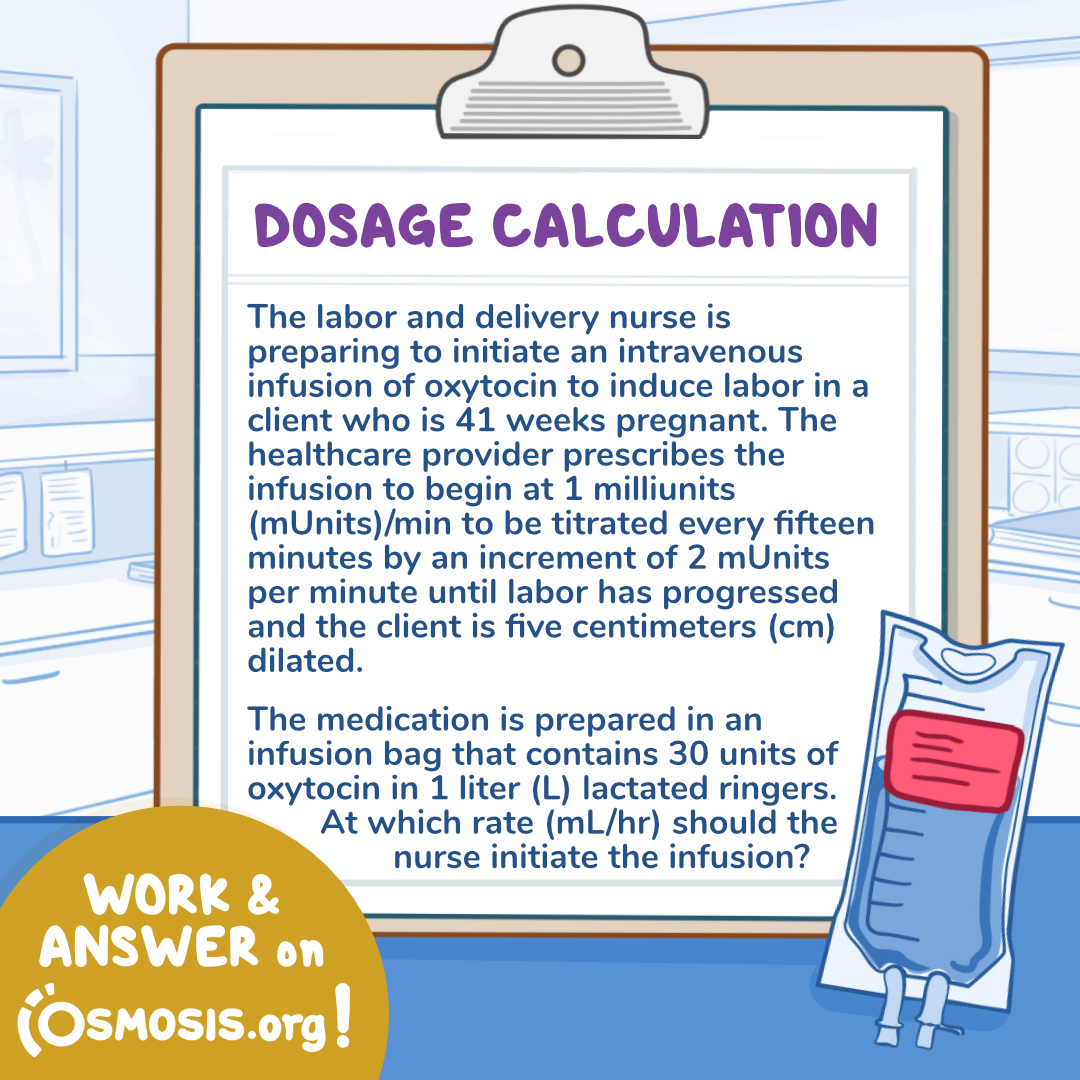
Dosage Calculation: Oxytocin
— Updated:
Understand the critical dosage calculations for oxytocin in labor induction at 41 weeks. Learn proper infusion rates and titration for effective outcomes.
-
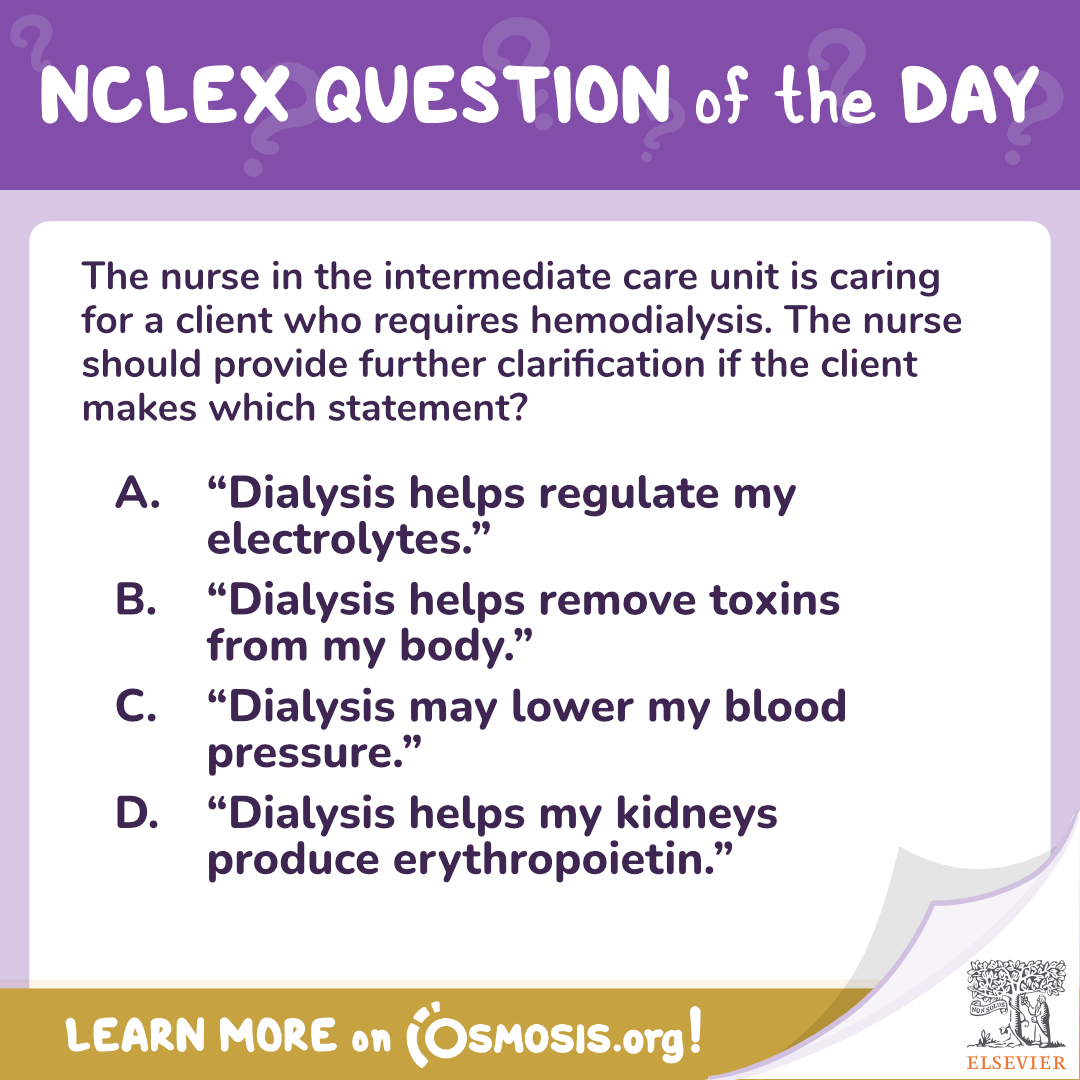
NCLEX-RN® Question of the Day: Hemodialysis
— Updated:
Get ready for the NCLEX® with essential knowledge on hemodialysis. Discover which statement about dialysis needs clarification and enhance your nursing skills.
-
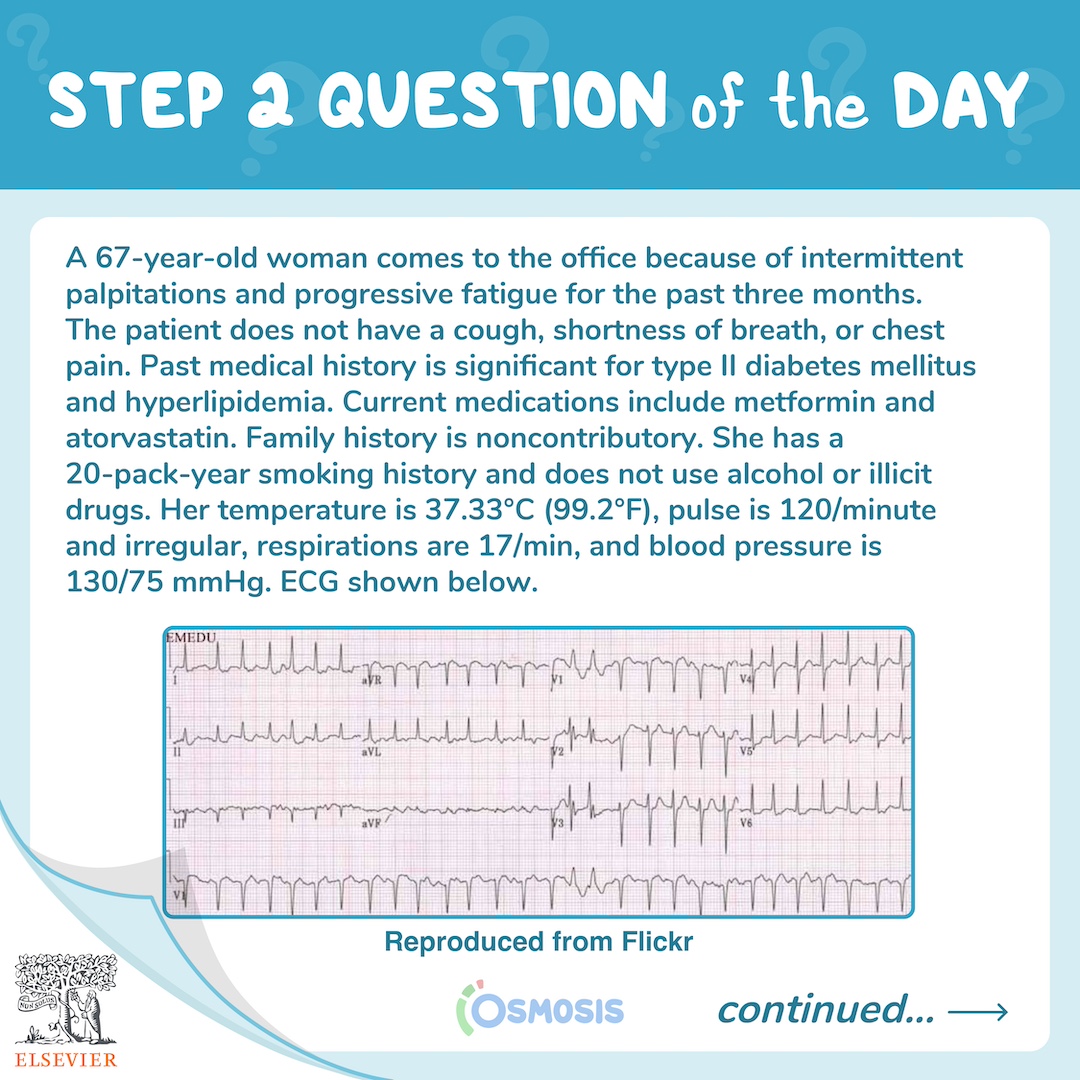
USMLE® Step 2 Question of the Day: Medication effects
— Updated:
A 67-year-old woman presents with palpitations and fatigue. Dive into her ECG and labs to discover which treatment effectively prevents serious AF complications.
-
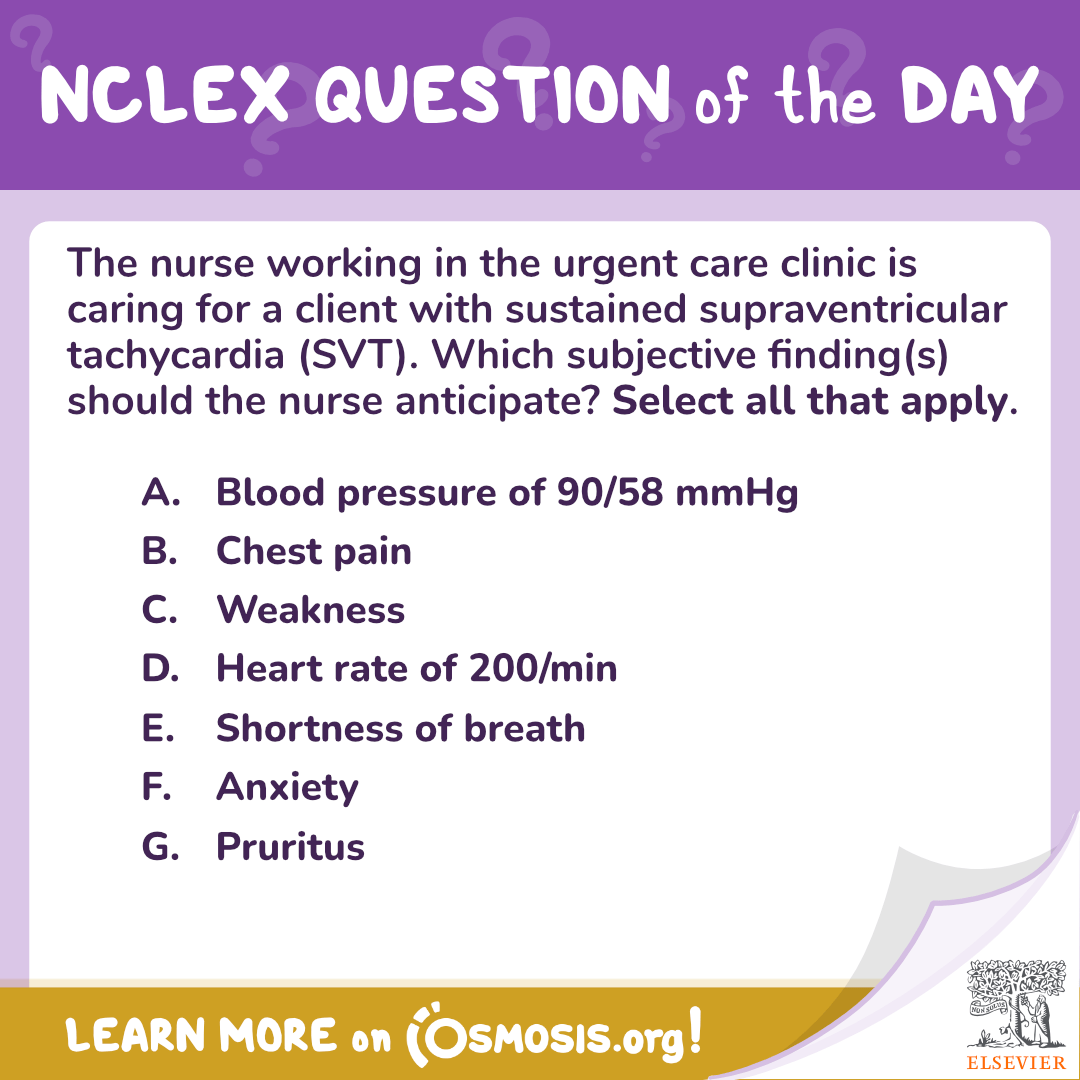
NCLEX-RN® Question of the Day: SVT
— Updated:
Prepare for NCLEX® success by learning to identify subjective findings in patients with supraventricular tachycardia (SVT). Discover key symptoms to anticipate for effective nursing care.
-
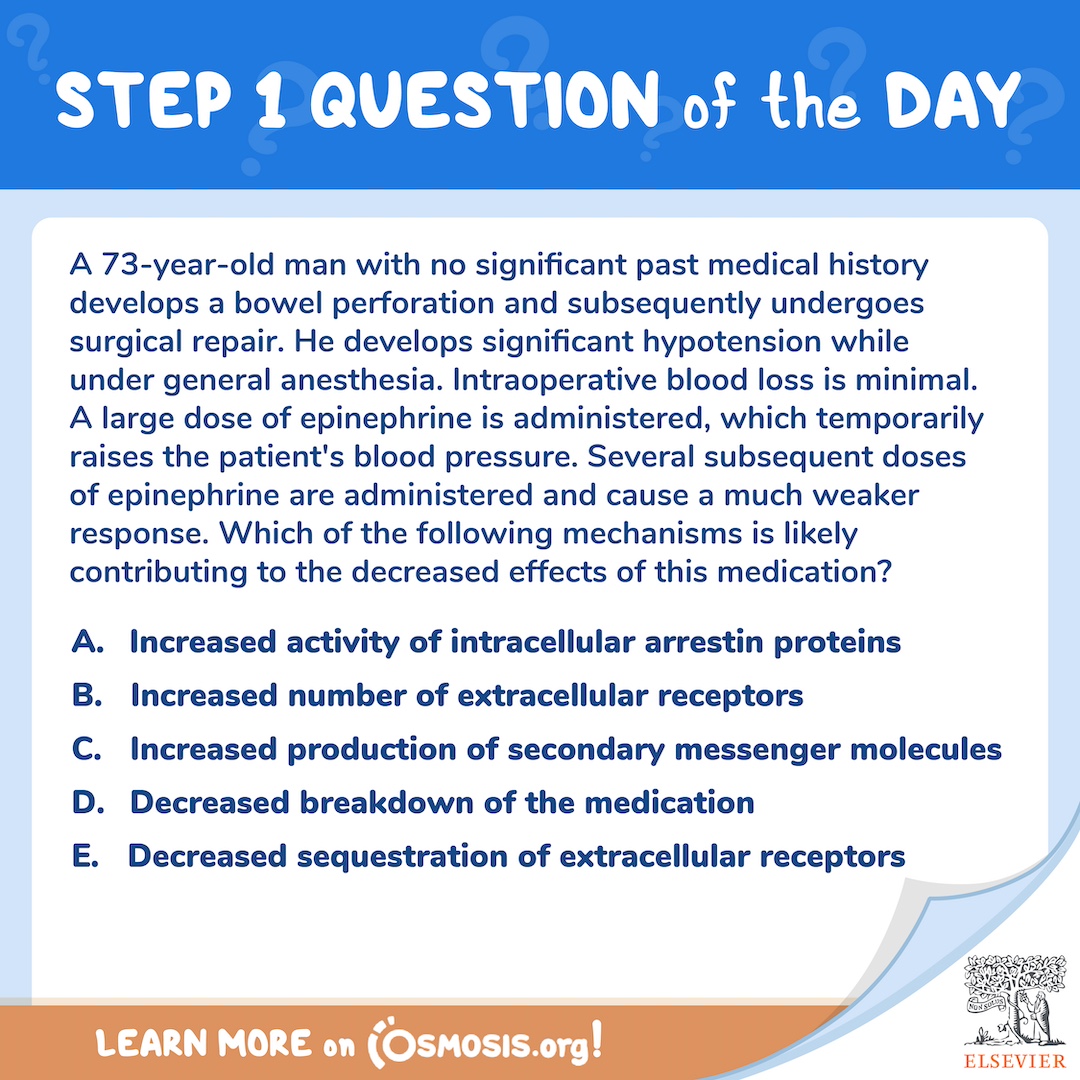
USMLE® Step 1 Question of the Day: Epinephrine response
— Updated:
Examine a clinical case of a 73-year-old man with hypotension during surgery and learn about the pharmacological mechanisms, including desensitization, affecting his response to epinephrine. Enhance your understanding of managing intraoperative hypotension effectively.
-
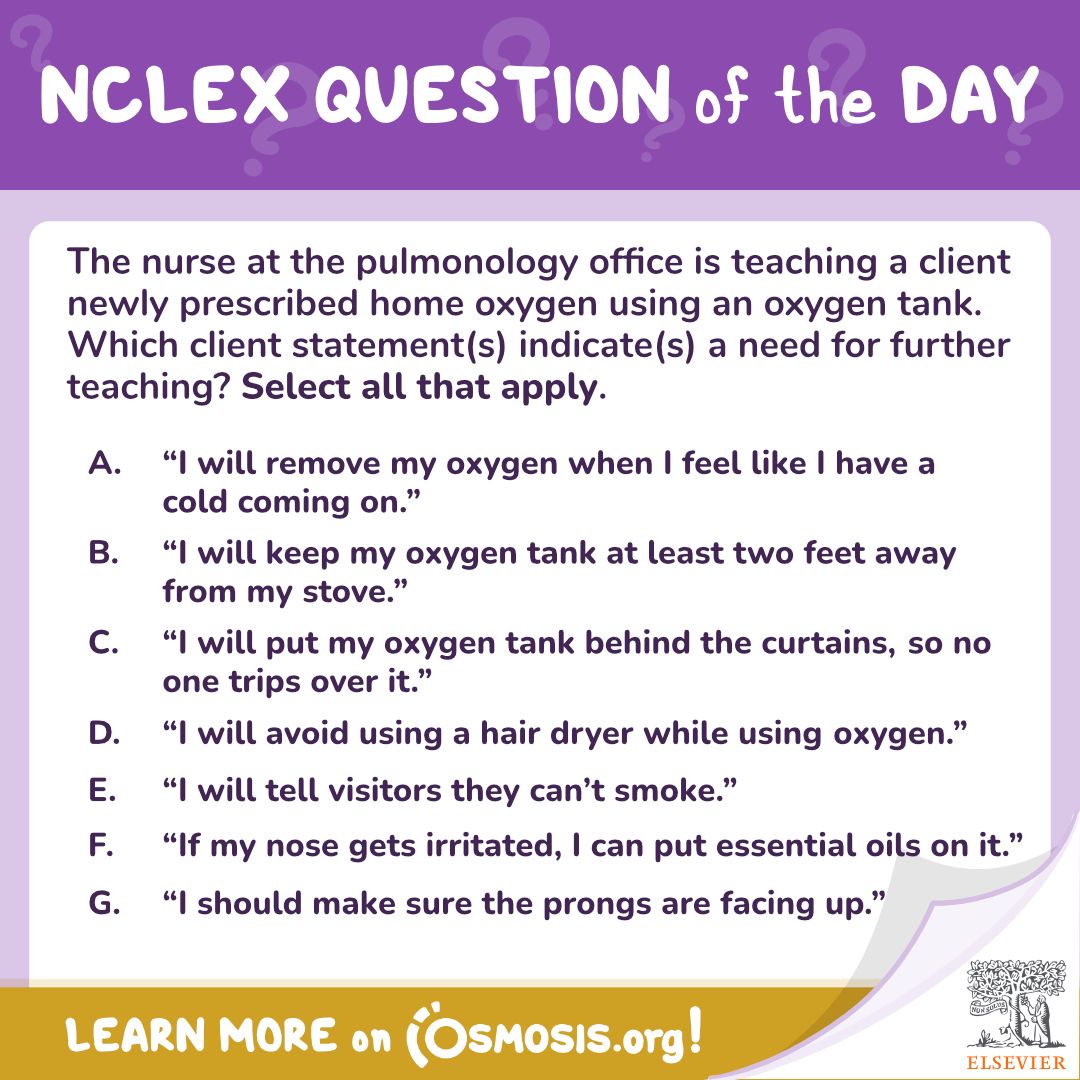
NCLEX-RN® Question of the Day: Oxygen tank
— Updated:
Get ready for your NCLEX-RN® exam by understanding home oxygen therapy. Learn to identify client statements that indicate a need for further education on the safe and effective use of oxygen tanks.
-
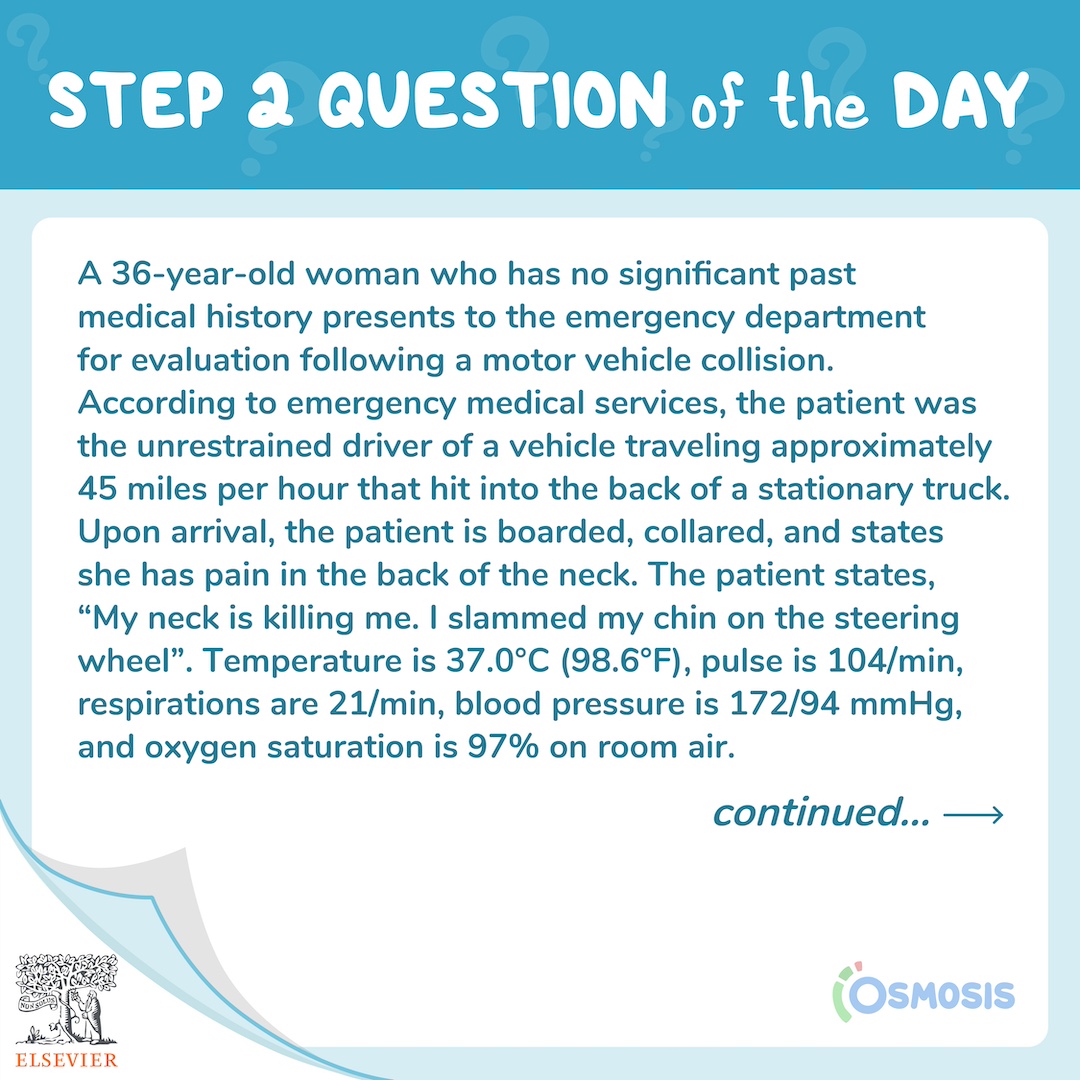
USMLE® Step 2 Question of the Day: Neck pain
— Updated:
Enhance your diagnostic skills and prepare effectively for the USMLE® Step 2 exam by exploring a case study involving a 36-year-old woman with acute neck pain following a motor vehicle collision.
-

NCLEX-RN® Question of the Day: Integrative therapy
— Updated:
Prep for the NCLEX-RN® exam preparation with this question focused on integrative therapy in primary care. Test your knowledge and improve your understanding of patient-centered care in nursing practice!
-
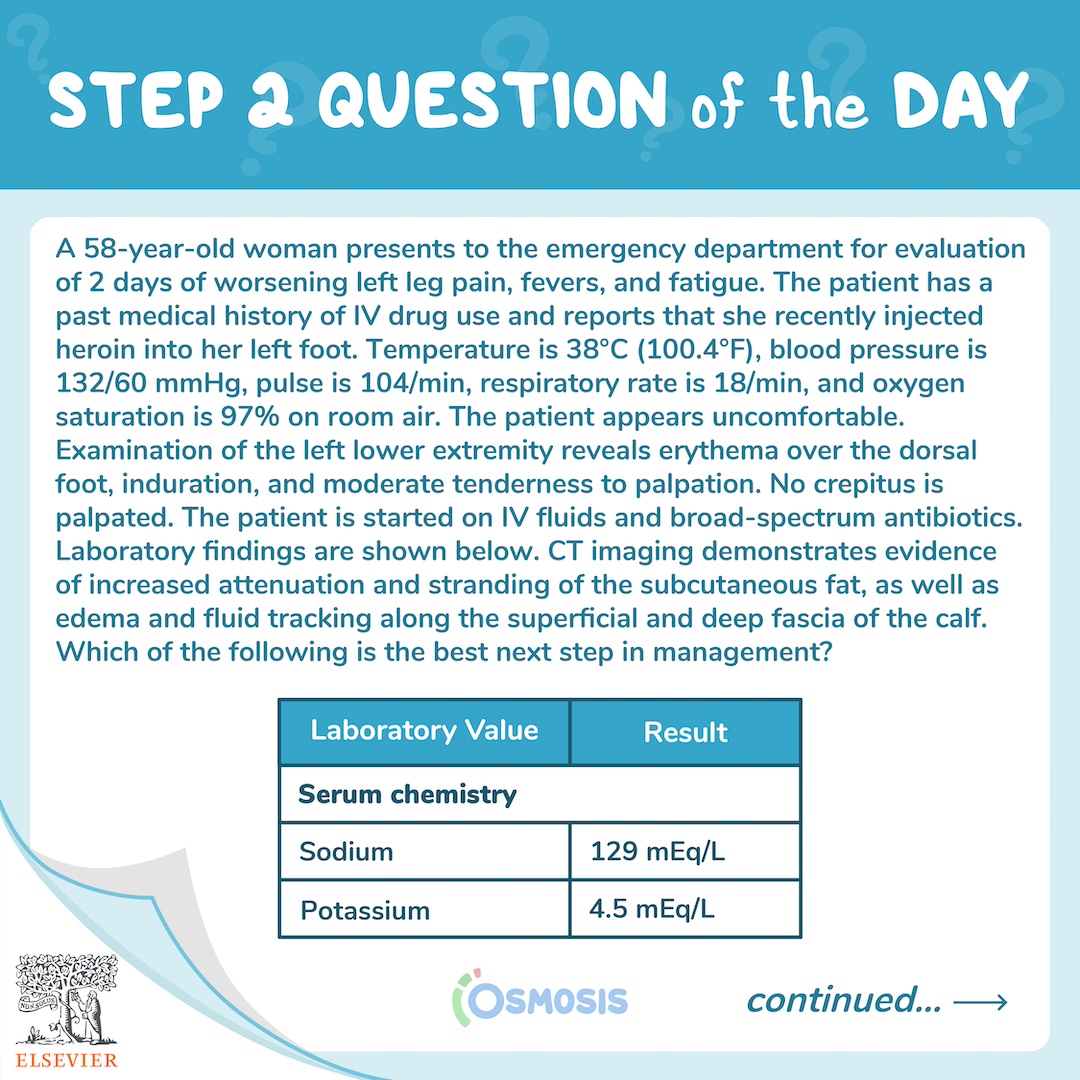
USMLE® Step 2 Question of the Day: Leg pain
— Updated:
Prep for the USMLE® Step 2 CK exam with this case study that focuses on a 36-year-old woman with acute leg pain. Learn how to recognize the common origins of thrombus and identify appropriate management steps. Dive into the details and sharpen your clinical skills for effective patient care!
-

NCLEX-RN® Question of the Day: Sjögren syndrome
— Updated:
Prep for the NCLEX-RN® exam by learning about the assessment of tear production in patients suspected of having Sjögren syndrome. Test your knowledge and improve your clinical skills today!
-
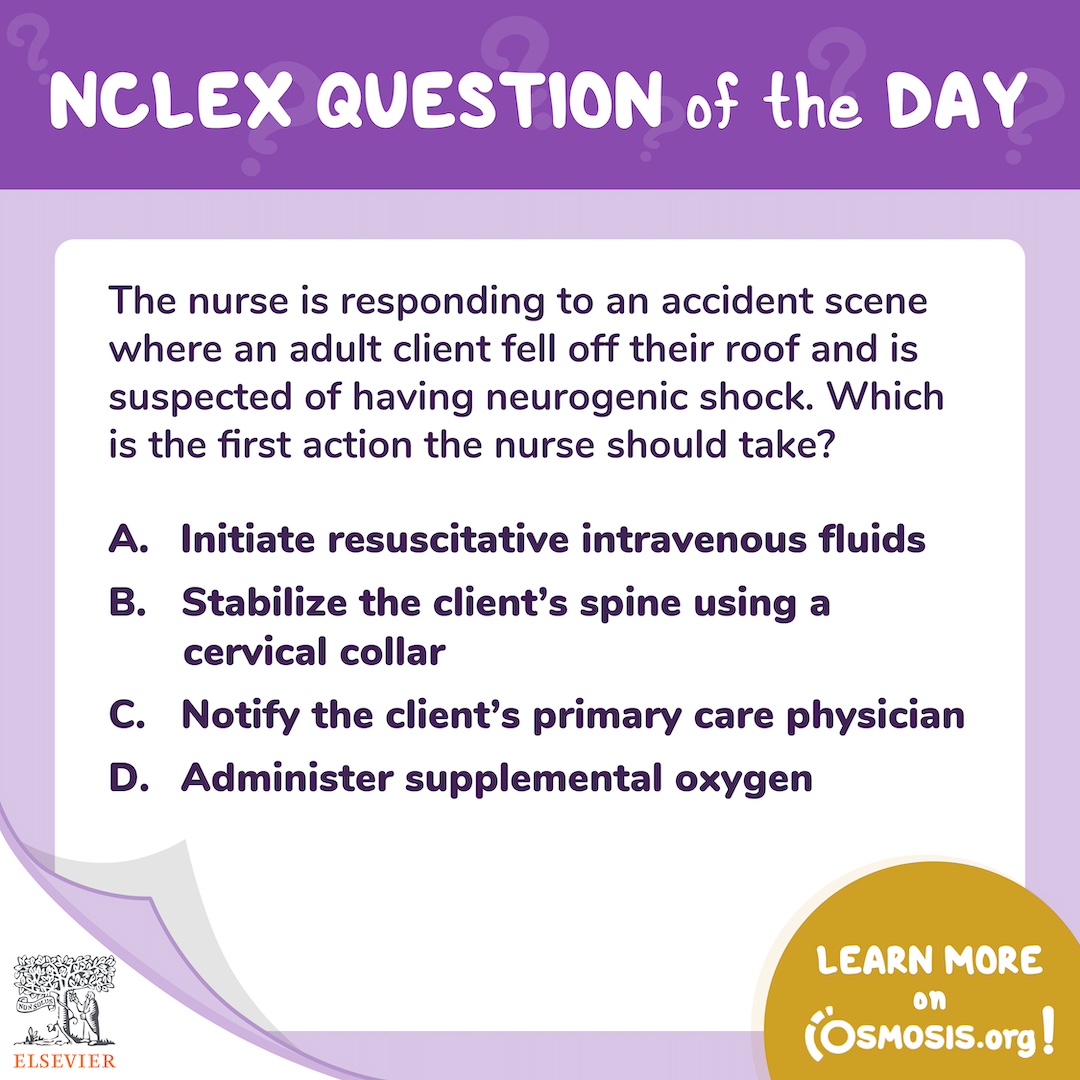
NCLEX-RN® Question of the Day: Neurogenic shock
— Updated:
Enhance your NCLEX-RN® exam preparation by learning about the assessment of tear production in patients suspected of having Sjögren syndrome. Test your knowledge and improve your clinical skills today!
-
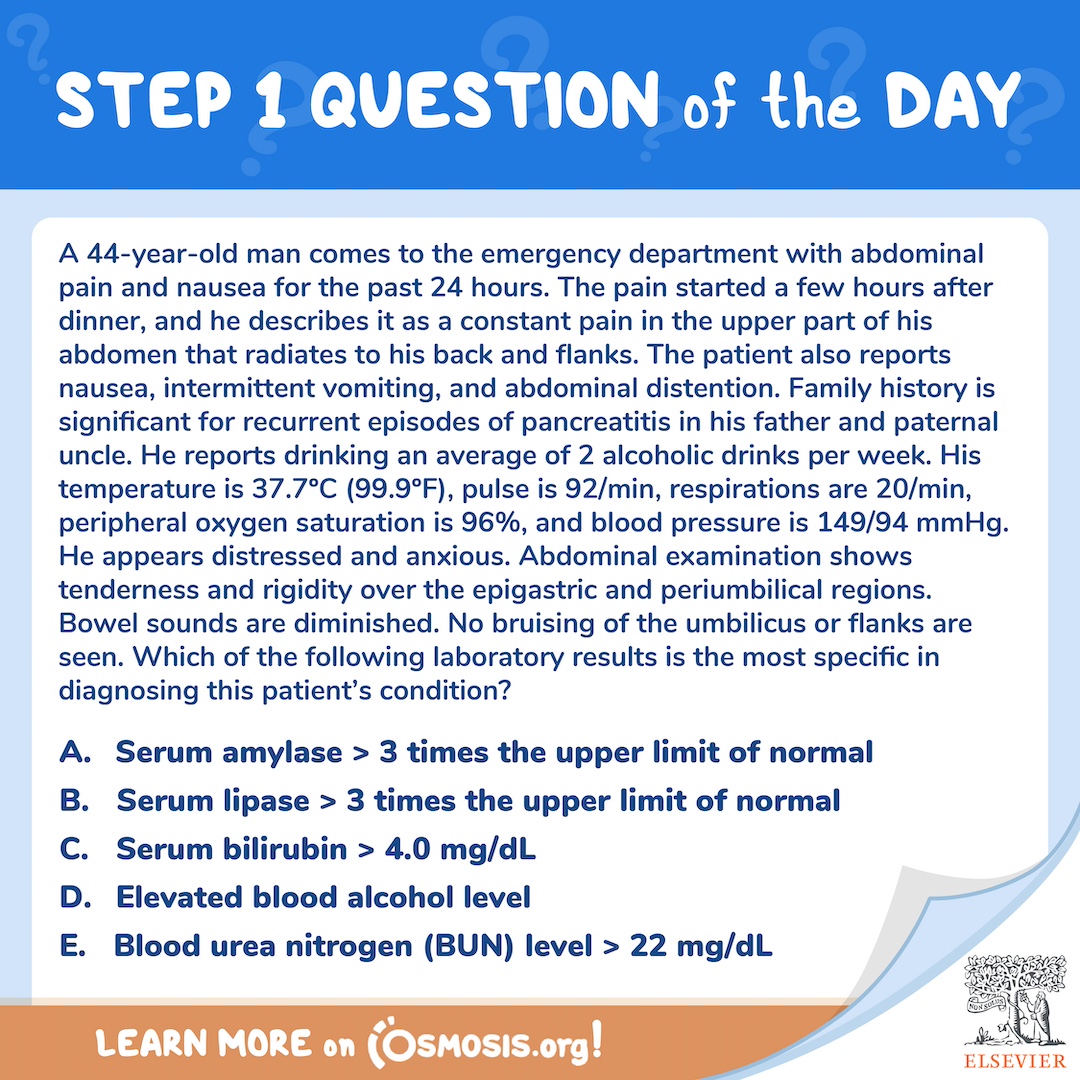
USMLE® Step 1 Question of the Day: Pancreatitis
— Updated:
Today, let’s focus on USMLE Step 1, with a question on acute pancreatitis. Can you recommend the appropriate diagnostic investigations, interpret the findings to establish a diagnosis, and describe the essential treatment options? Are you able to recall and recognize the clinical features and complications associated with this condition? Sharpen…
-
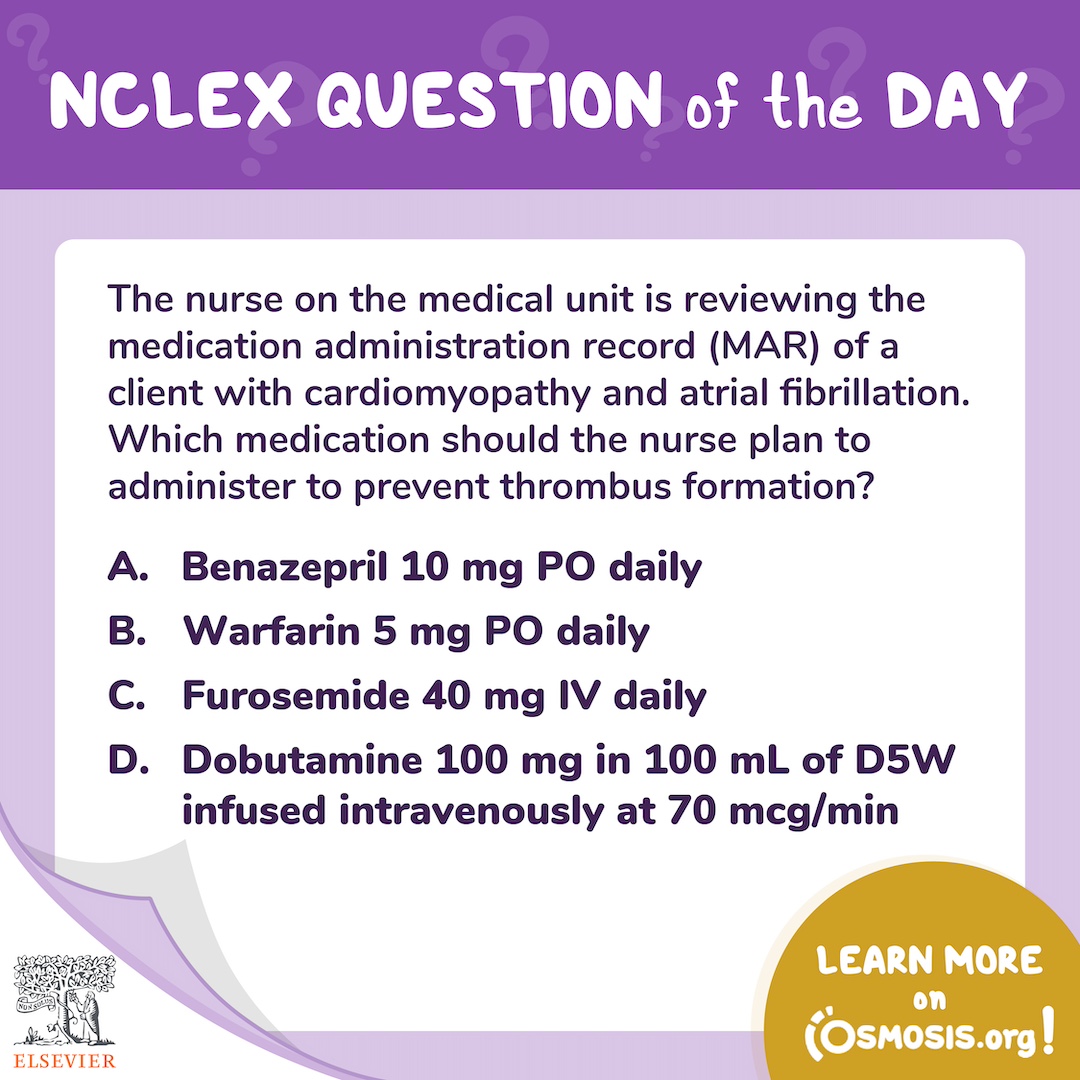
NCLEX-RN® Question of the Day: Thrombus formation
— Updated:
Prepare for NCLEX success with today’s question: Learn which medication to administer for a client with cardiomyopathy and atrial fibrillation to prevent thrombus formation. Can you identify the correct choice? The nurse on the medical unit is reviewing the medication administration record (MAR) of a client with cardiomyopathy and atrial…
-

NCLEX-RN® Question of the Day: Phenylketonuria (PKU)
— Updated:
Prepare for NCLEX success with today’s question: Learn how phenylalanine is acquired in a pediatric client with phenylketonuria (PKU). Can you identify the correct mechanism? The nurse in the primary care office is educating the caregivers of a pediatric client with phenylketonuria (PKU). By which mechanism is phenylalanine acquired? A.…
-
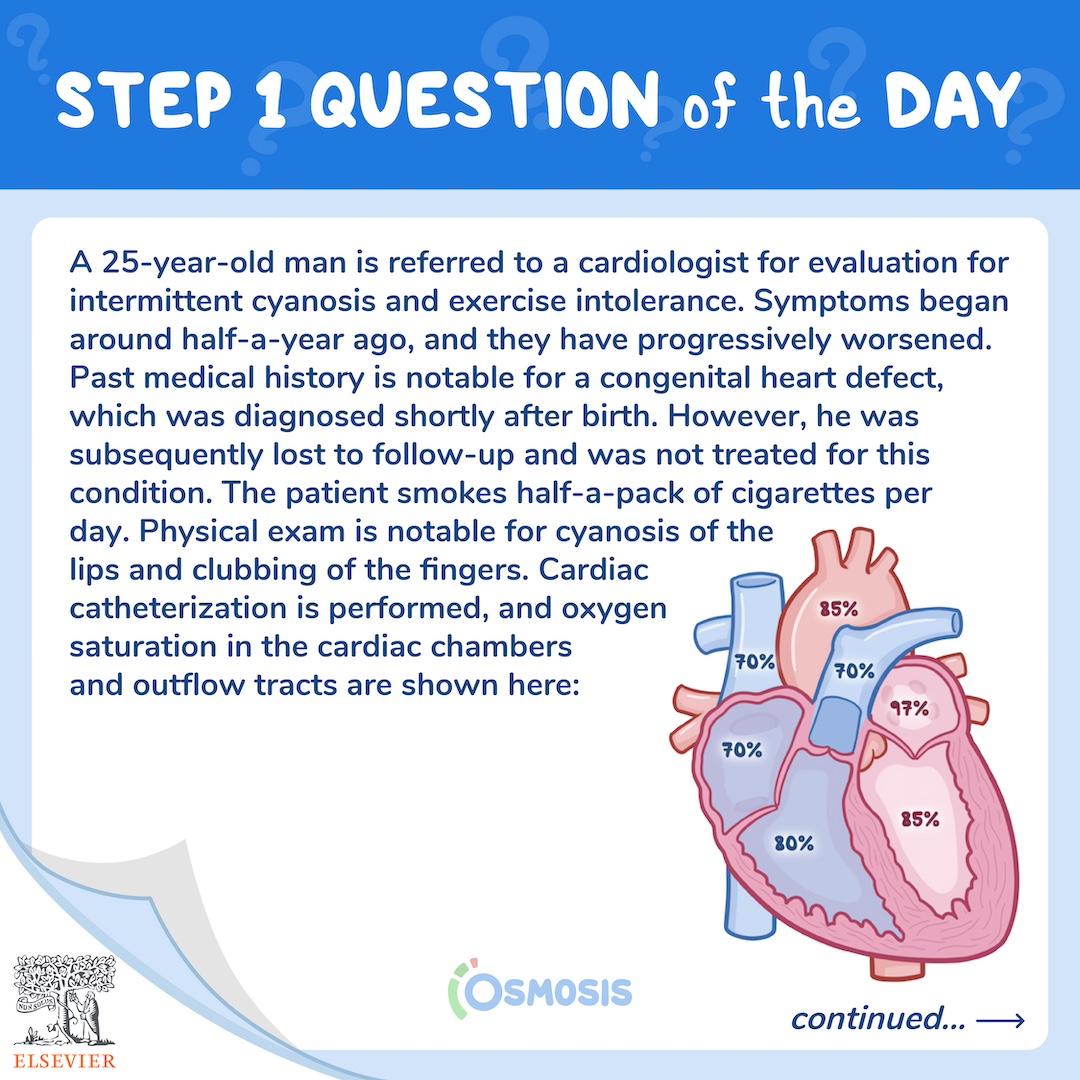
USMLE® Step 1 Question of the Day: Cardiac catheterization
— Updated:
Prepare for your USMLE Step 1 with a question focusing on Eisenmenger syndrome. Can you summarize the pathophysiology of this condition and recognize its key clinical features? Sharpen your understanding of this critical cardiovascular topic! A 25-year-old man is referred to a cardiologist for evaluation for intermittent cyanosis and exercise…
-
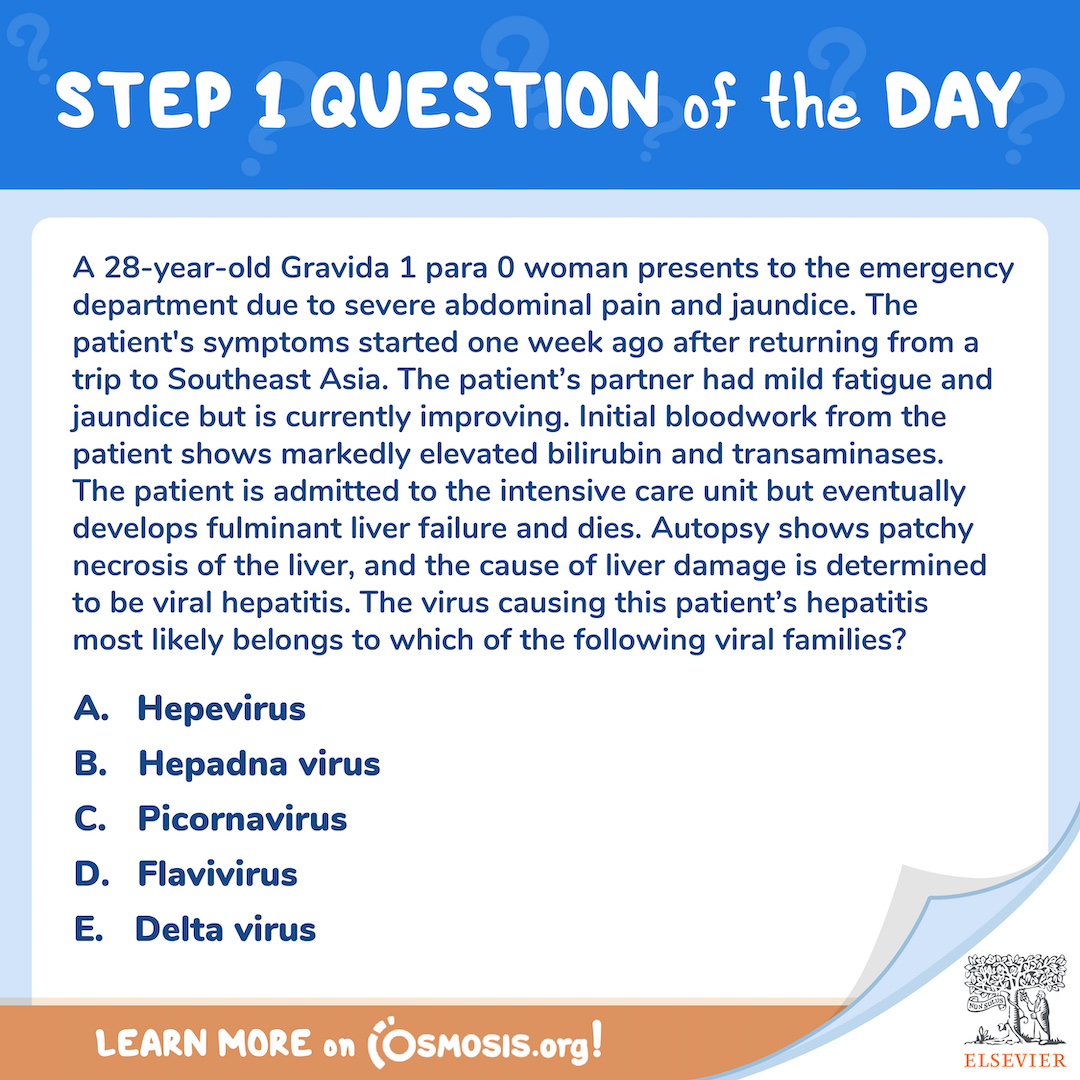
USMLE® Step 1 Question of the Day: Viral hepatitis
— Updated:
Prepare for the USMLE Step 1 exam with this detailed question about a 28-year-old woman experiencing severe abdominal pain and jaundice after returning from a trip to Southeast Asia. What family of viruses causes patchy necrosis of the liver? Test your knowledge and deepen your understanding of viral infections. A…
-

NCLEX-RN® Question of the Day: Anthrax infection
— Updated:
Why can’t the body easily fight off anthrax infection? Learn about the role of bacterial spores in anthrax’s resistance and disease progression.
-
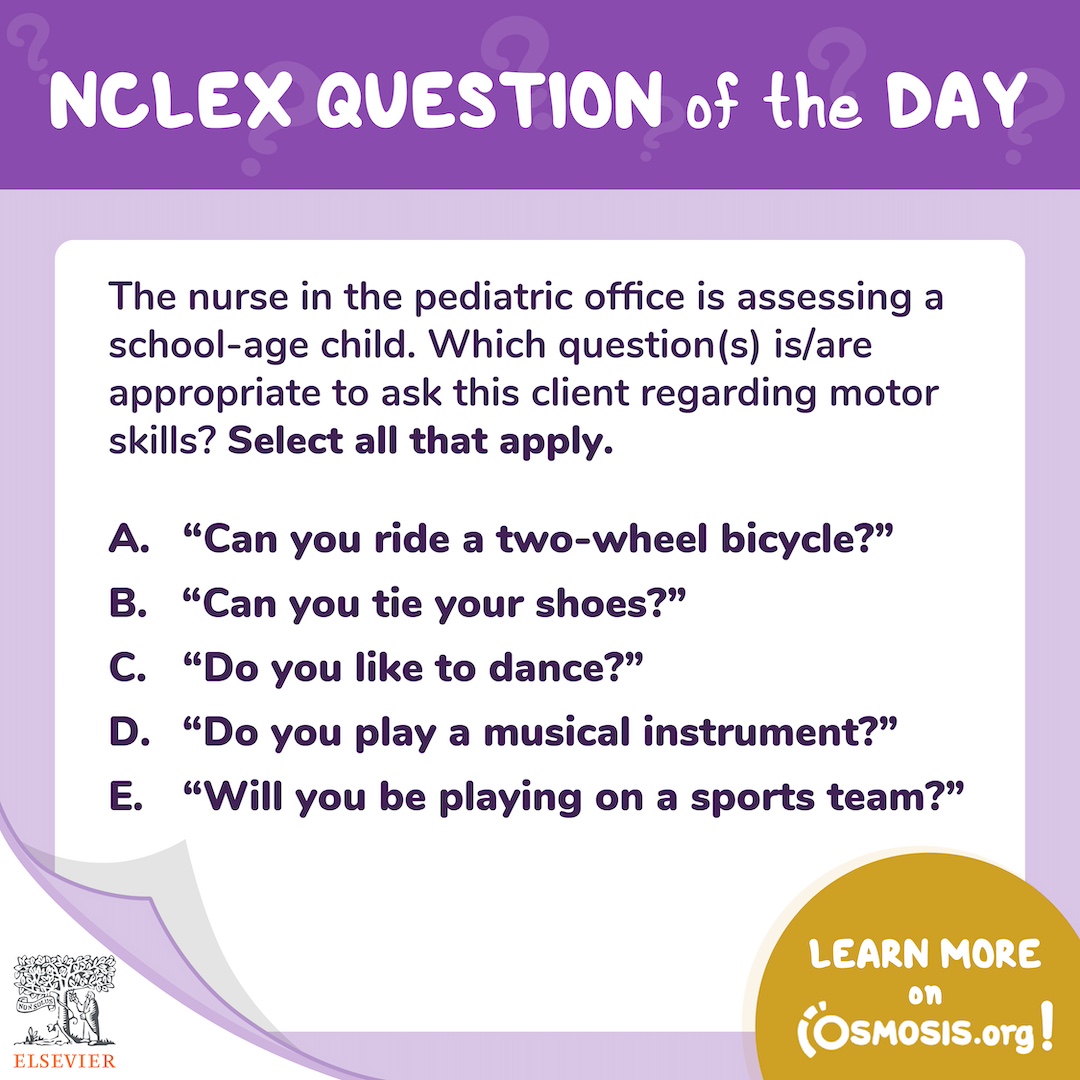
NCLEX-RN® Question of the Day: Motor skills
— Updated:
Test your knowledge with a pediatric NCLEX-RN® question on assessing motor skills in school-age kids. Which assessment works best to test coordination and fine motor skills?
-

NCLEX-RN® Question of the Day: Cleft lip and palate
— Updated:
Discover key maternal risk factors linked to cleft lip and palate in infants and understand why certain exposures during pregnancy increase this risk.
-
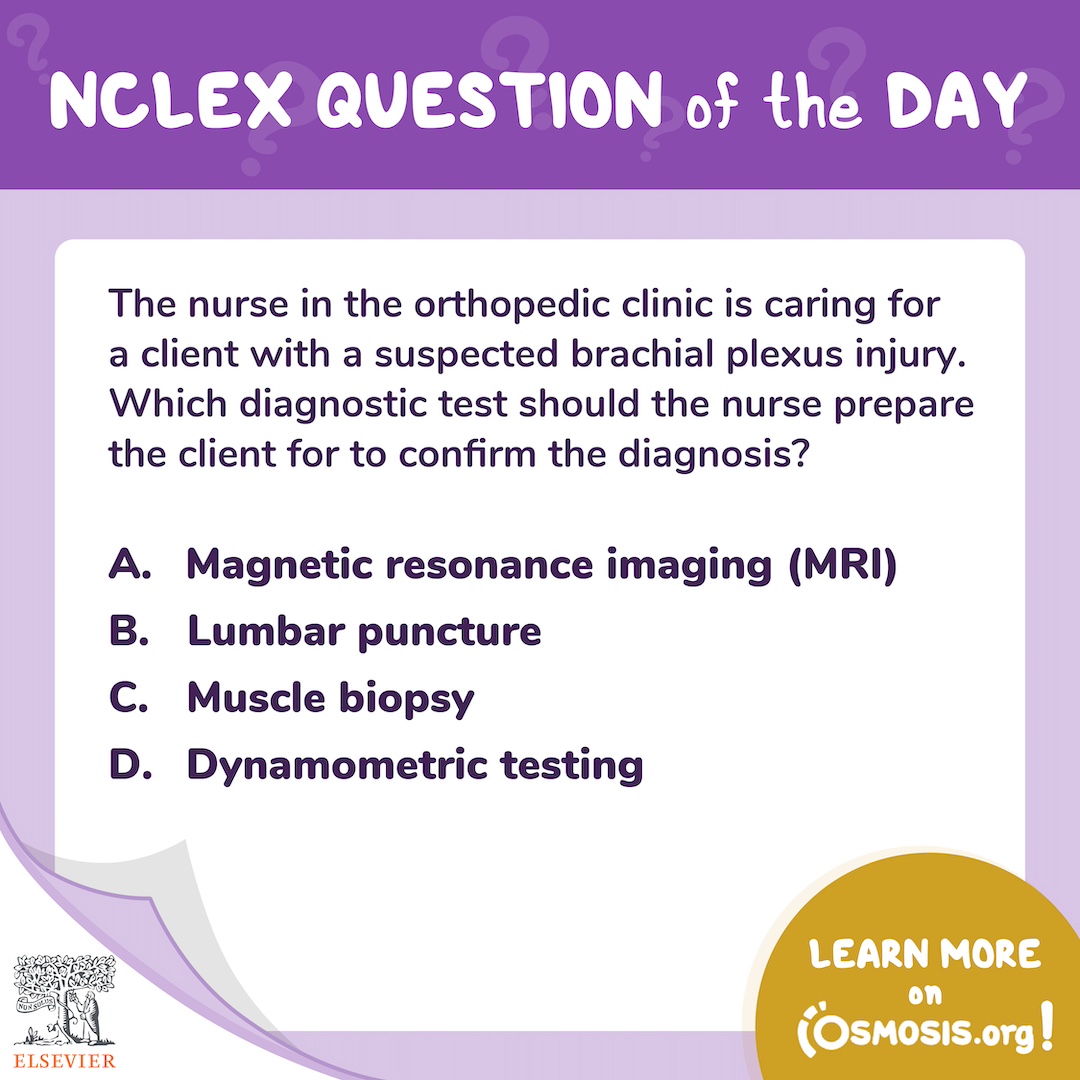
NCLEX-RN® Question of the Day: Brachial plexus injury
— Updated:
Test your knowledge on diagnosing brachial plexus injury and find out which diagnostic test best confirms nerve damage in orthopedic patients.
-
How to Use Osmosis to Study for the PACKRAT Exam
— Updated:
Preparing for the PACKRAT exam? Learn how the Osmosis Clinical Sciences library, practice questions, and smart study habits can boost your confidence and score.
-
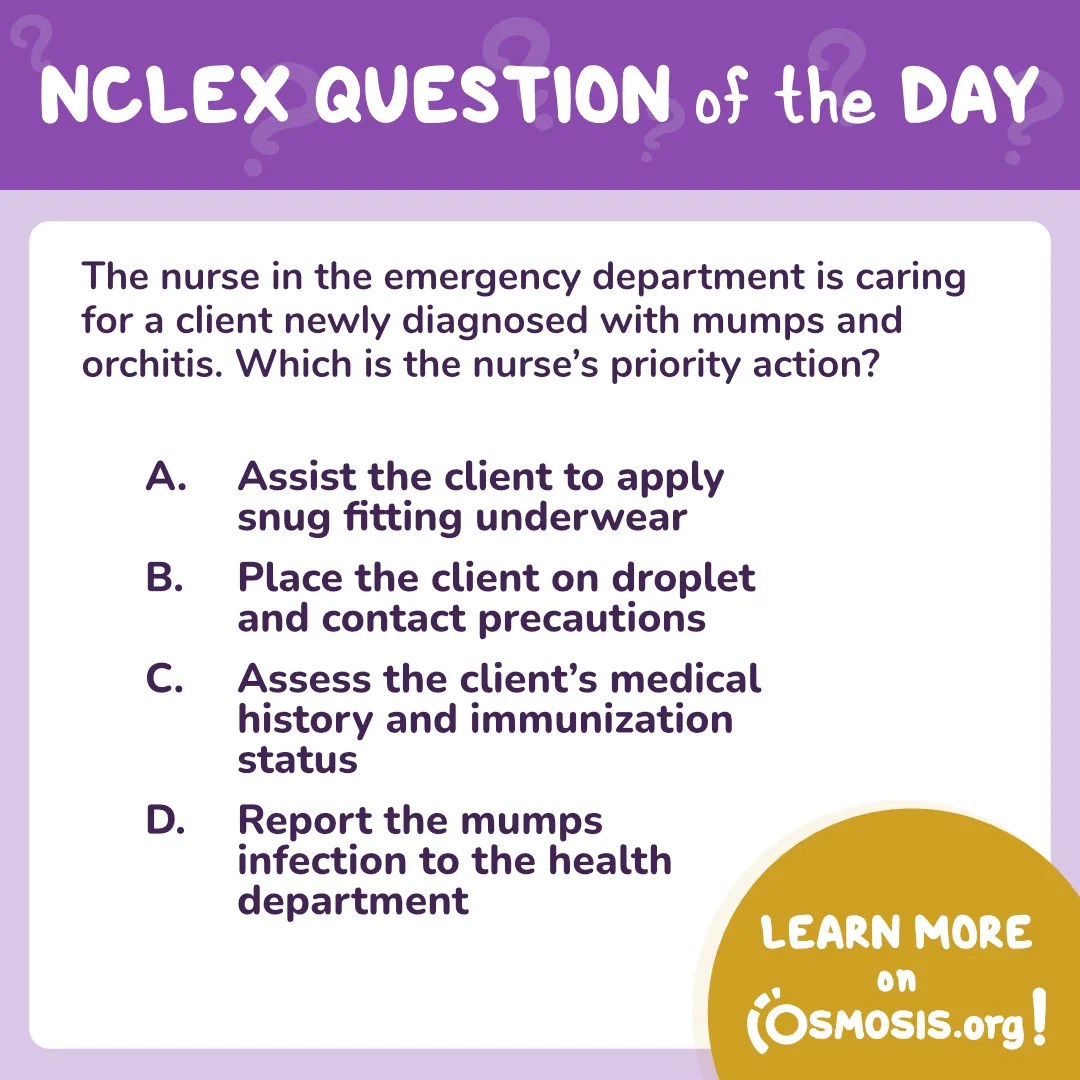
NCLEX-RN® Question of the Day: Mumps
— Updated:
Test your nursing knowledge: What is the priority action when caring for a patient diagnosed with mumps and orchitis? Explore infection control and supportive care.
-
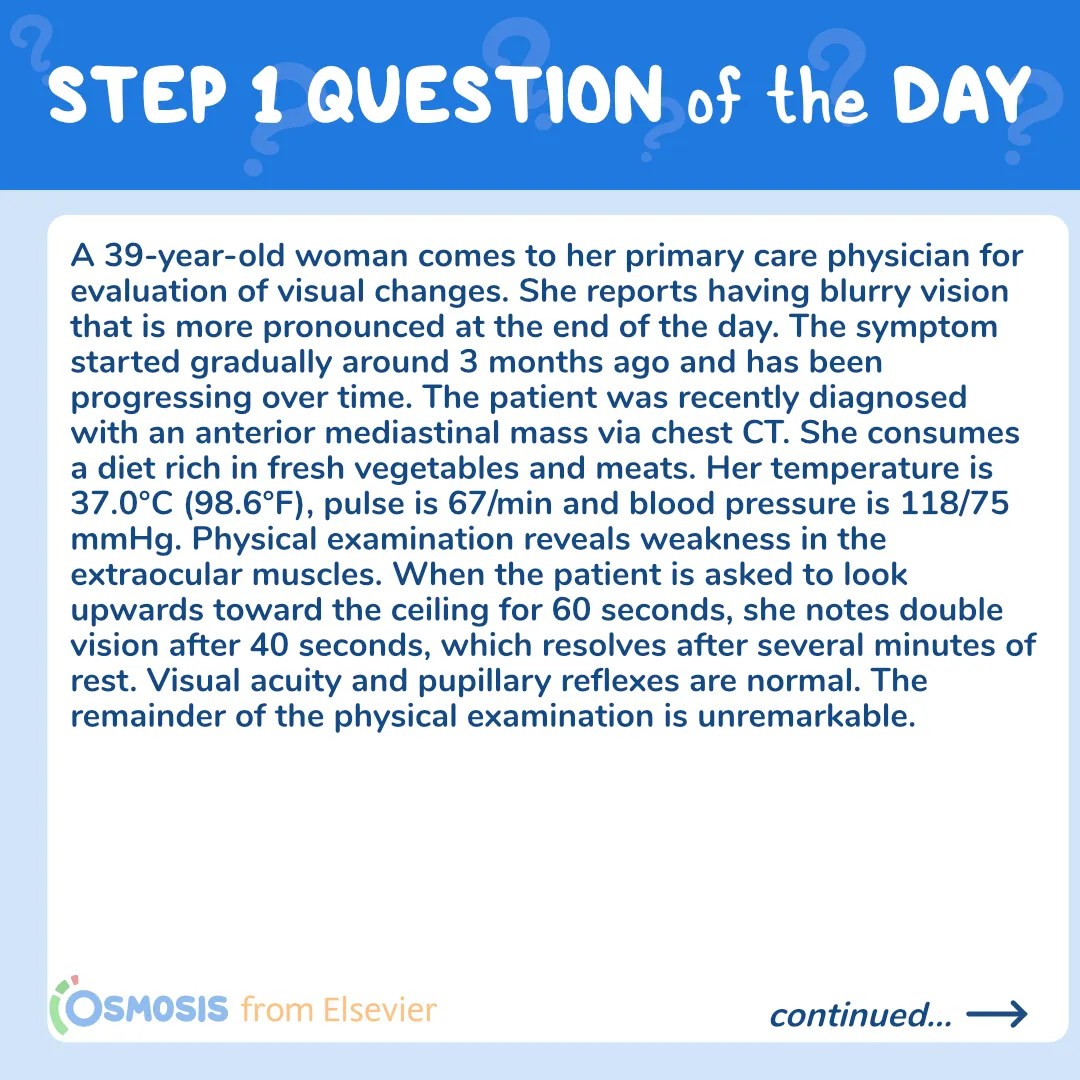
USMLE® Step 1 Question of the Day: Blurry vision
— Updated:
Test your knowledge with a USMLE Step 1 question on a patient with progressive blurred vision and muscle weakness linked to a mediastinal mass. Which neuromuscular structure is affected?
-
The Ultimate List of Osmosis from Elsevier Study Tips
— Updated:
Discover curated study tips and proven learning techniques designed to boost success for medical, nursing, and healthcare students throughout their academic and clinical journeys.
-
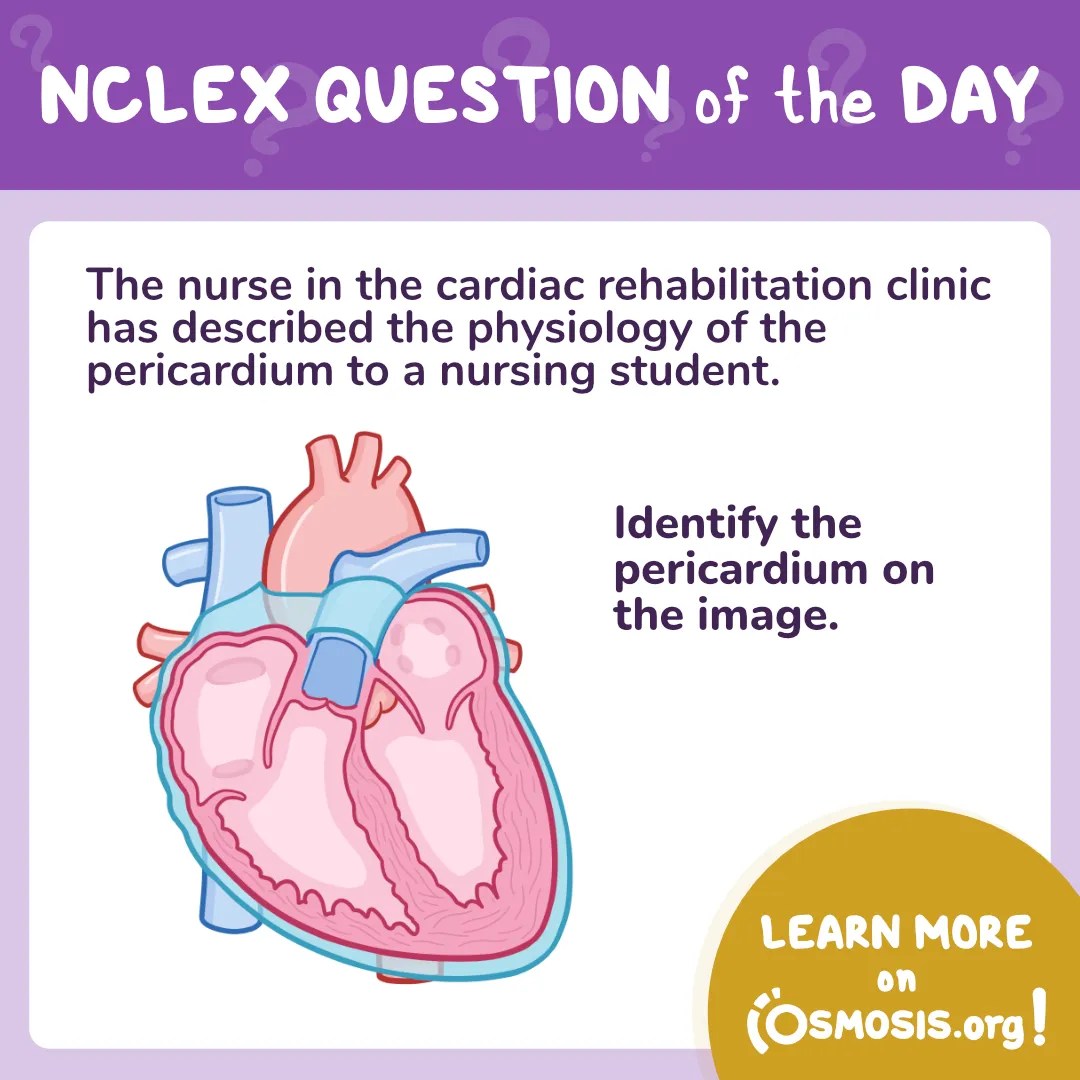
NCLEX-RN® Question of the Day: Pericardium
— Updated:
Test your nursing knowledge on the pericardium’s structure and function, understanding its protective role and the layers surrounding the heart.
-
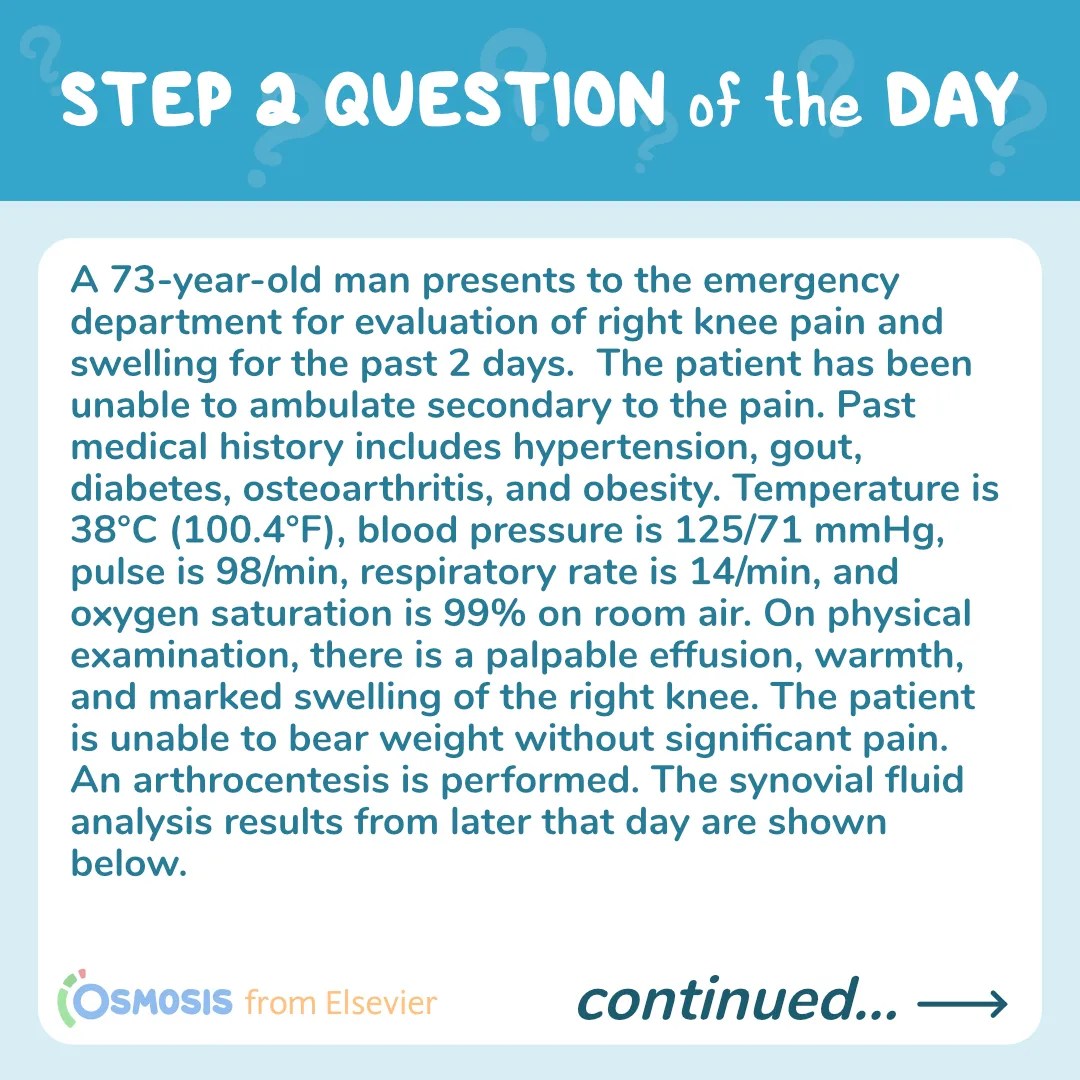
USMLE® Step 2 Question of the Day: Arthrocentesis
— Updated:
Review a clinical case of knee swelling and pain with synovial fluid results. Can you identify the most likely diagnosis and differentiate it from other arthritic conditions?
-
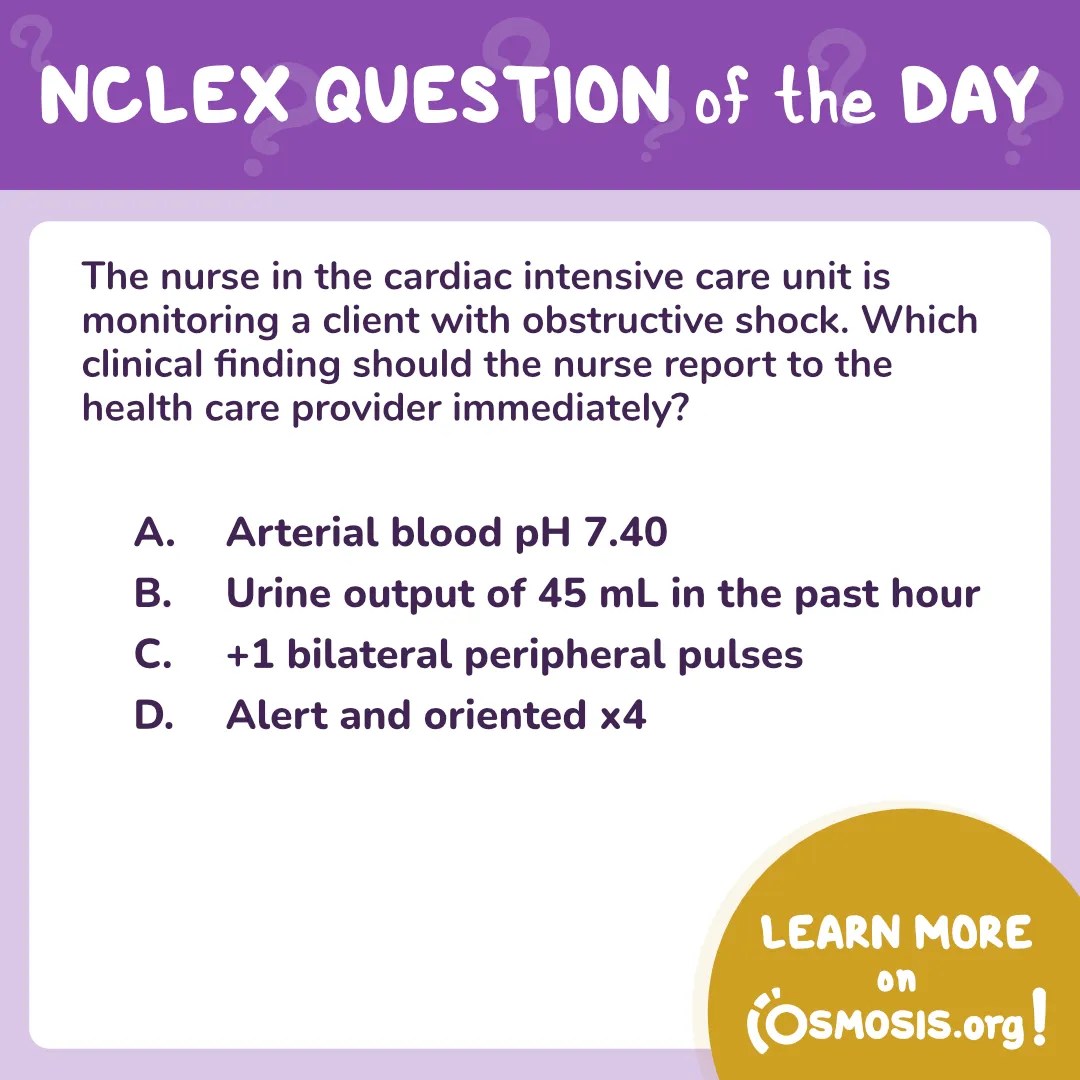
NCLEX-RN® Question of the Day: Obstructive shock
— Updated:
Prepare for your NCLEX-RN® exam with a clinical question about obstructive shock management in the cardiac intensive care unit. Learn to recognize critical findings that require immediate intervention. The nurse in the cardiac intensive care unit is monitoring a client with obstructive shock. Which clinical finding should the nurse report…
-
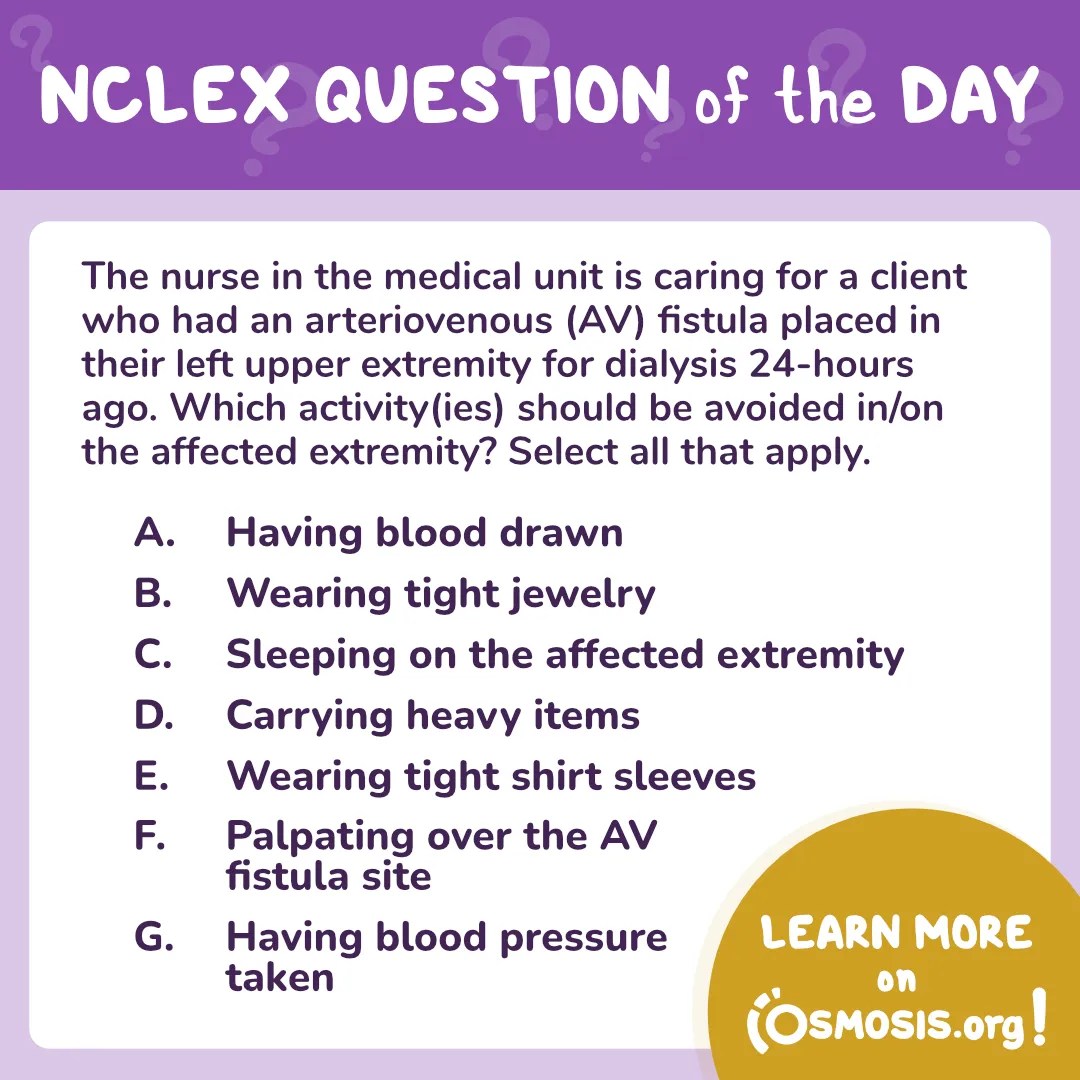
NCLEX-RN® Question of the Day: AV fistula
— Updated:
Prepare for your NCLEX-RN exam with this question on caring for a client with an arteriovenous (AV) fistula for dialysis. Learn essential precautions and nursing interventions to ensure the fistula remains functional and safe for the patient. The nurse in the medical unit is caring for a client who had…
-
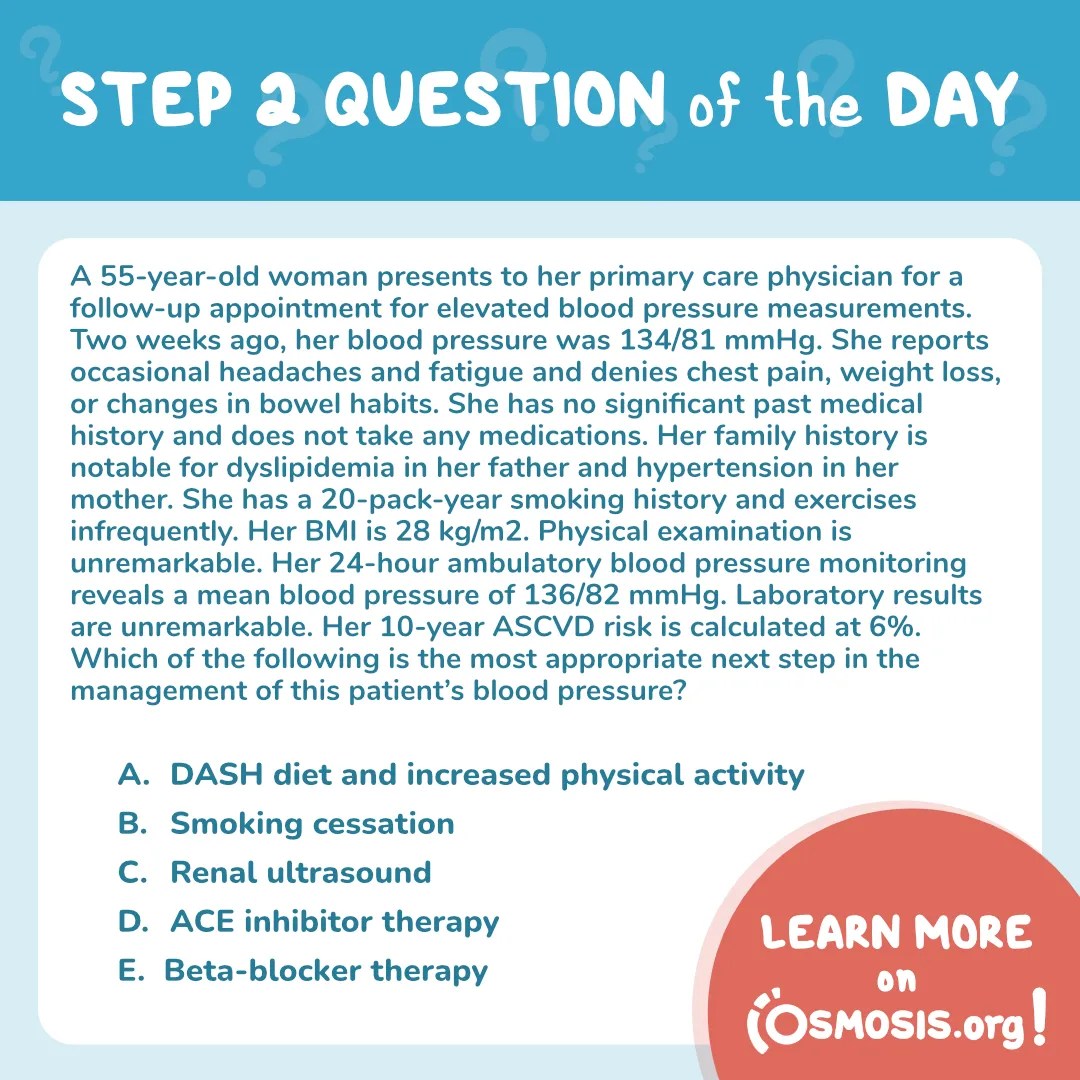
USMLE® Step 2 Question of the Day: High blood pressure
— Updated:
Prepare for your USMLE Step 2 with this case: A 55-year-old woman presents with stage 1 hypertension and occasional headaches. Her 24-hour blood pressure monitoring and low ASCVD risk score point to a critical next step in management.A 55-year-old woman presents to her primary care physician for a follow-up appointment…
-
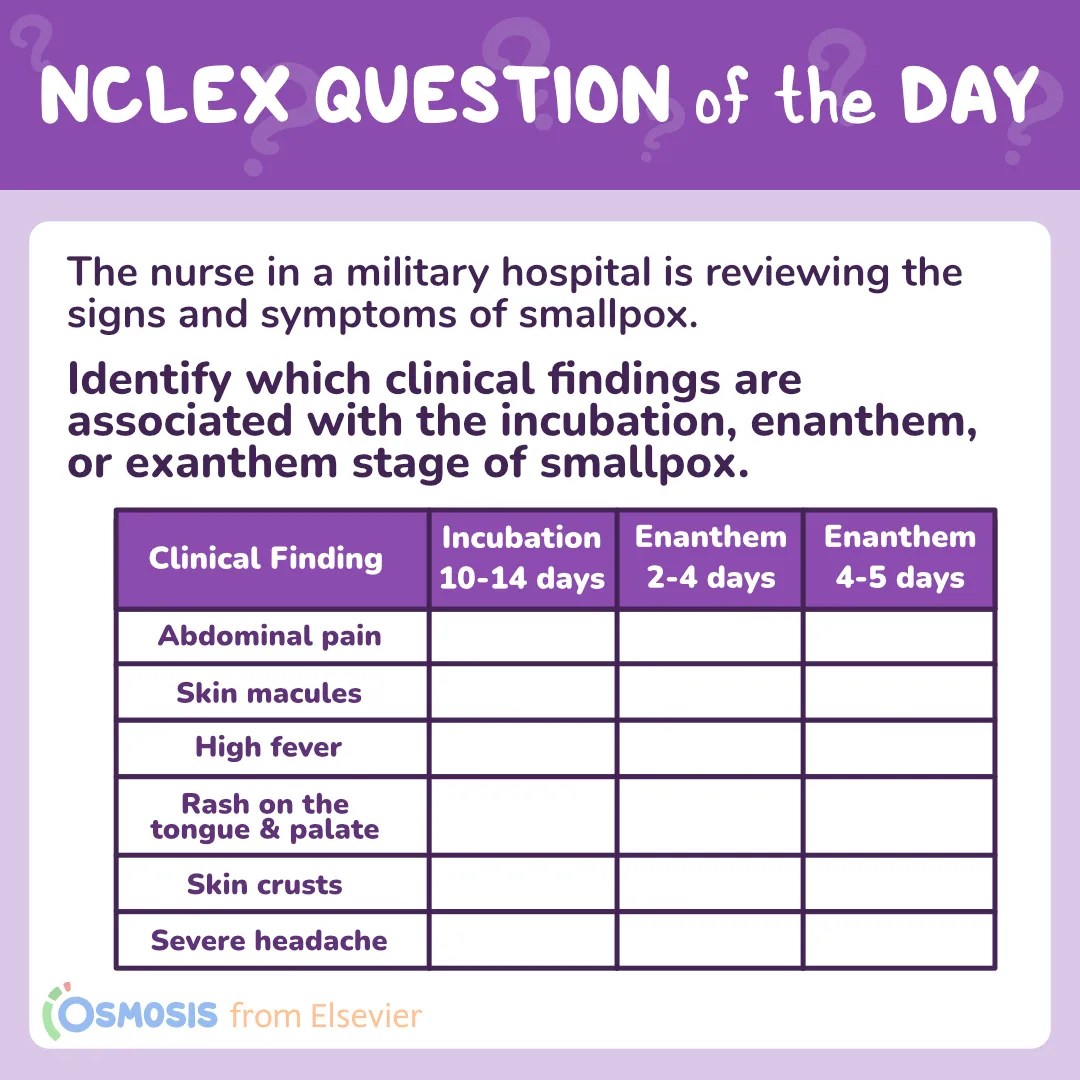
NCLEX-RN® Question of the Day: Smallpox
— Updated:
Smallpox progresses through three key stages: incubation, enanthem, and exanthem. Understanding these stages is essential for identifying symptoms such as high fever, rash development, and lesion characteristics. Nurses must differentiate between clinical findings at each stage to aid in prompt diagnosis and treatment. The nurse in a military hospital is…