Osmosis video - Adrenergic antagonists: Alpha blockers
Learn deeper with Osmosis
Master this topic faster with videos, questions, and AI.
Used by 8M+ healthcare learners.
No credit card · Cancel anytime

00:00 / 00:00
More Videos
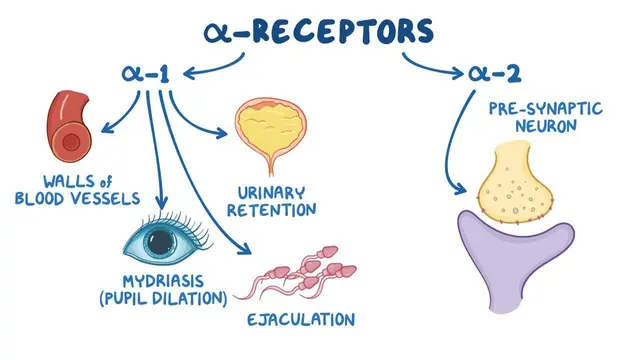
Adrenergic antagonists: Alpha blockers

Adrenergic antagonists: Beta blockers

Adrenergic antagonists: Presynaptic
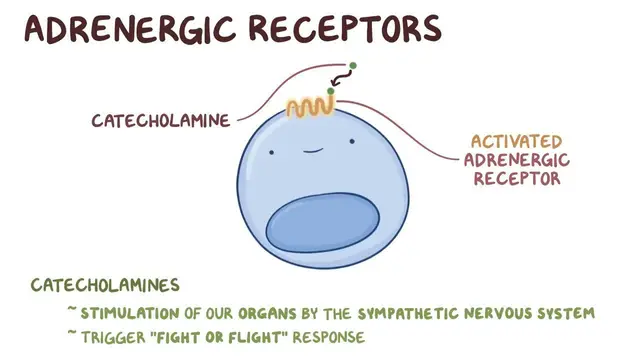
Adrenergic receptors
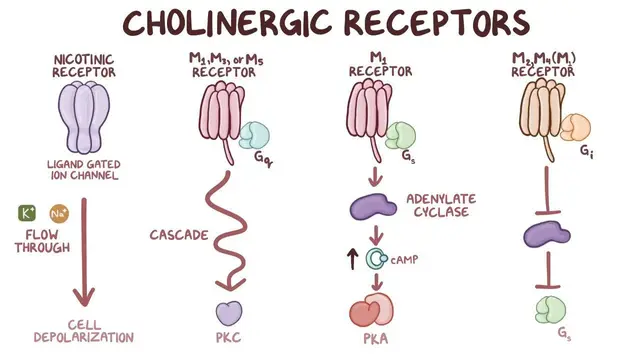
Cholinergic receptors
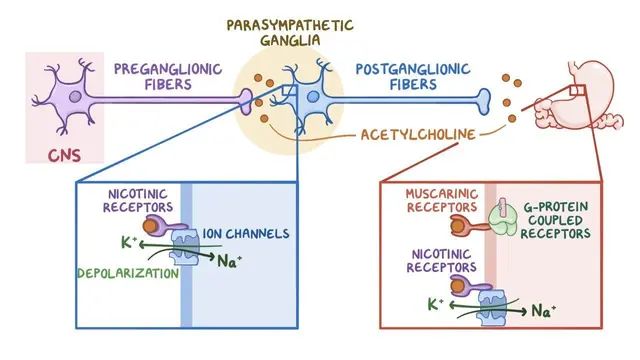
Cholinomimetics: Direct agonists

Cholinomimetics: Indirect agonists (anticholinesterases)
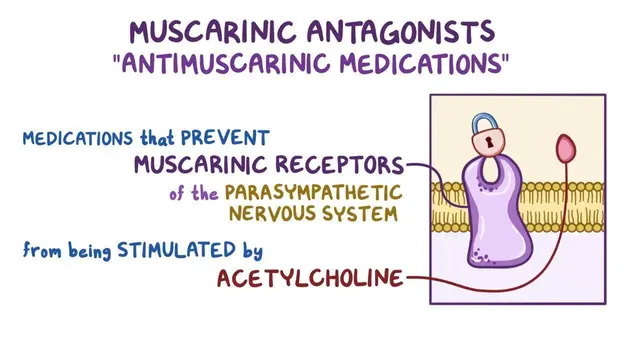
Muscarinic antagonists
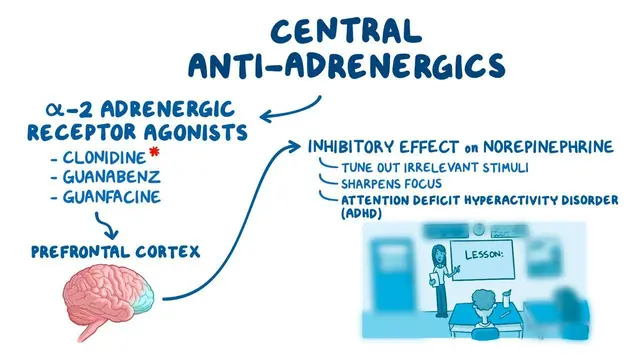
Sympatholytics: Alpha-2 agonists
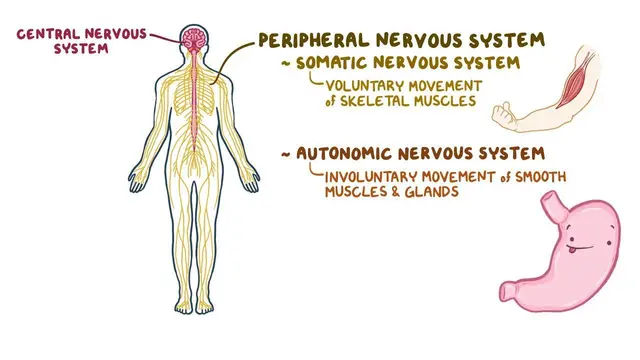
Sympathomimetics: Direct agonists
Video Summary of Adrenergic antagonists: Alpha blockers
Adrenergic antagonists are a type of drug that blocks the action of adrenaline in the body. Adrenaline is a hormone that is released in response to stress or excitement, and it causes the heart rate to speed up and the blood vessels to narrow.
Alpha-blockers are a type of adrenergic antagonist that blocks the action of adrenaline on the alpha receptors. The alpha receptors are found in the muscles around the blood vessels, and when they are activated, they cause the blood vessels to narrow. Alpha-blockers, therefore, cause the blood vessels to widen, which lowers blood pressure and improves symptoms of congestive heart failure.