Osmosis video - Cell-cell junctions
Learn deeper with Osmosis
Master this topic faster with videos, questions, and AI.
Used by 8M+ healthcare learners.
No credit card · Cancel anytime

00:00 / 00:00
More Videos
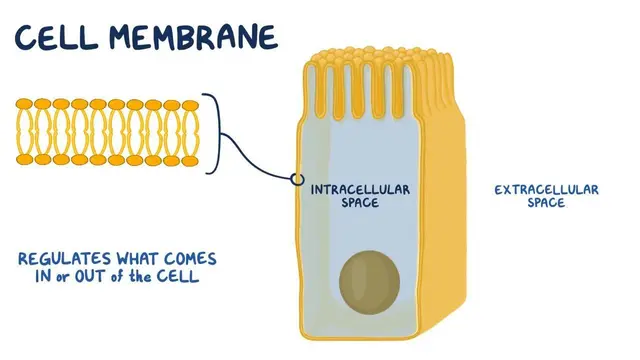
Cell membrane
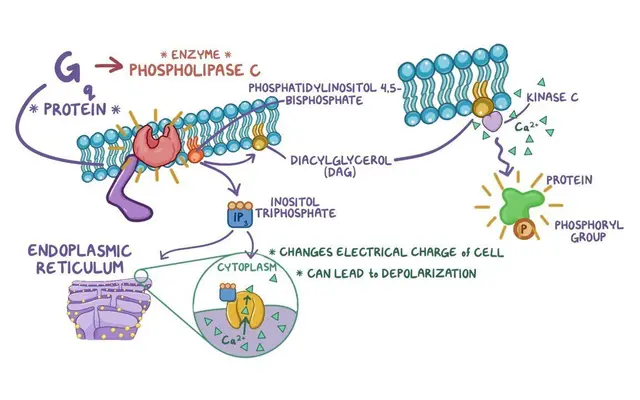
Cell signaling pathways
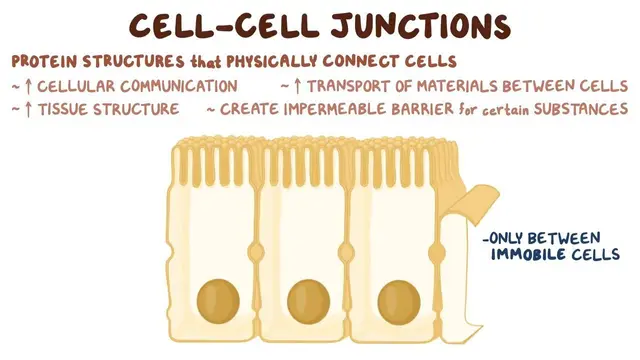
Cell-cell junctions
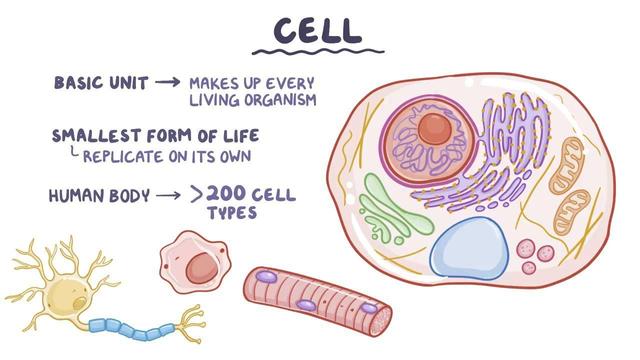
Cellular structure and function
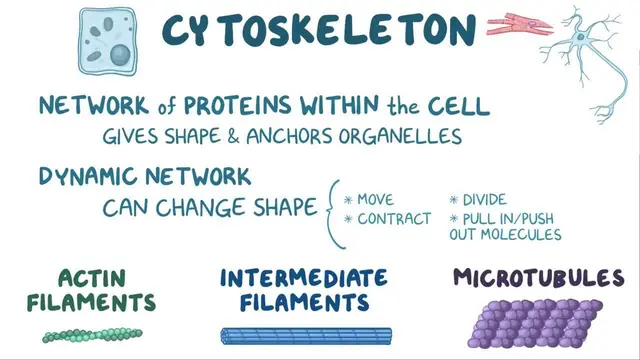
Cytoskeleton and intracellular motility
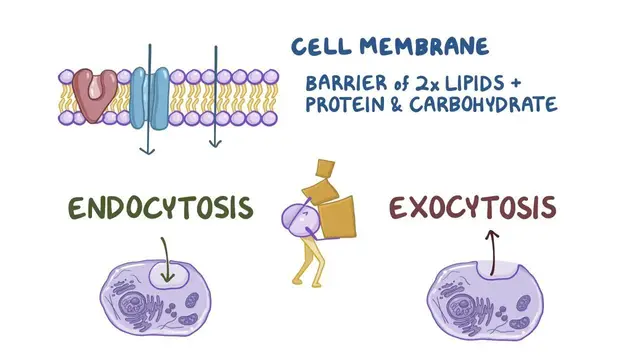
Endocytosis and exocytosis
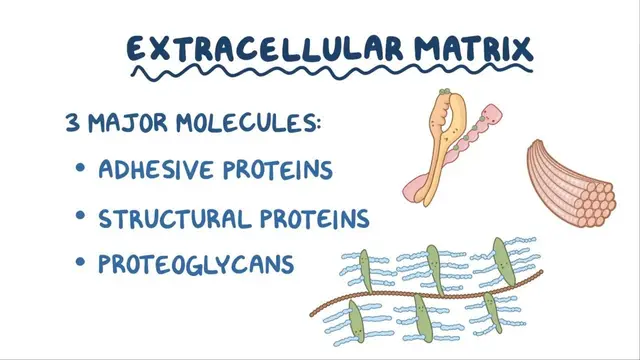
Extracellular matrix
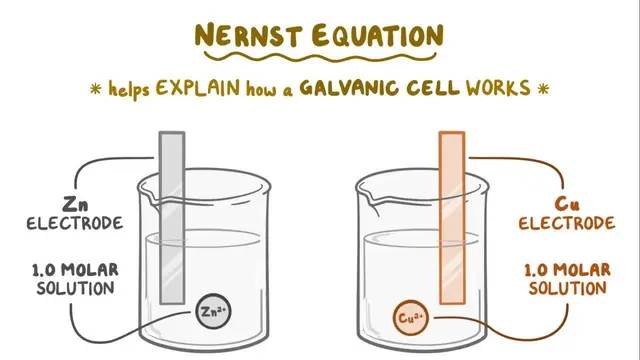
Nernst equation
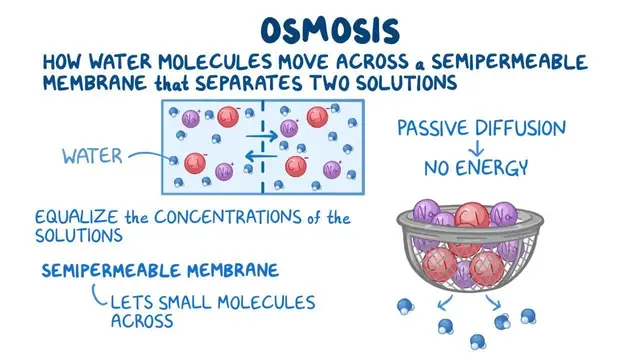
Osmosis
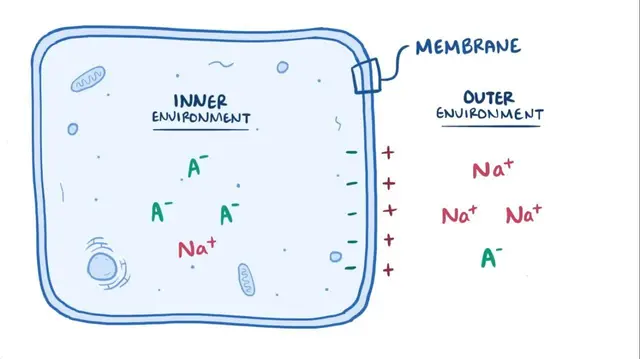
Resting membrane potential
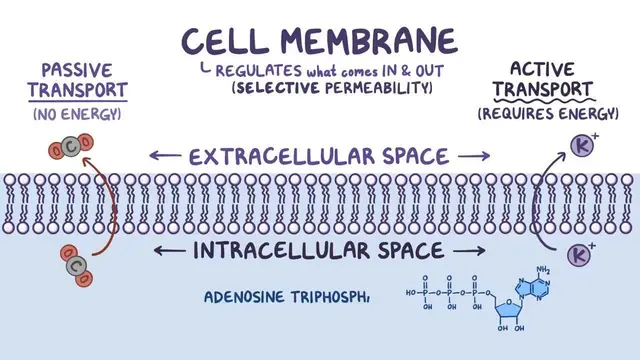
Selective permeability of the cell membrane
Video Summary of Cell-cell junctions
Cell-cell junctions are protein structures that physically link cells together. They are essential for cells to interact with each other and coordinate their activities. There are several types of cell-cell junctions, but the three most common are tight junctions, anchoring junctions, and gap junctions.
Tight junctions block the passages between cells and selectively prevent molecules from passing between them. This is important for maintaining the separation between cells and preventing them from becoming mixed. Anchoring junctions anchor cells to each other and provide them with structural support. Anchoring junctions include adherens junctions, desmosomes, and hemidesmosomes subtypes. Finally, gap junctions connect cells and allow substances such as ions to pass freely.