Osmosis video - Cytoskeleton and intracellular motility
00:00 / 00:00
More Videos
09:00
Cell membrane
09:41
Cell signaling pathways
05:09
Cell-cell junctions
10:22
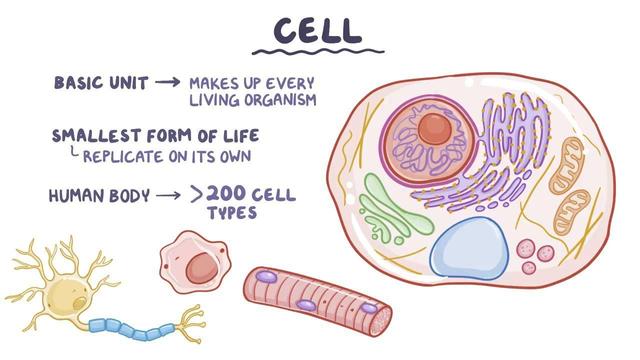
Cellular structure and function
09:41
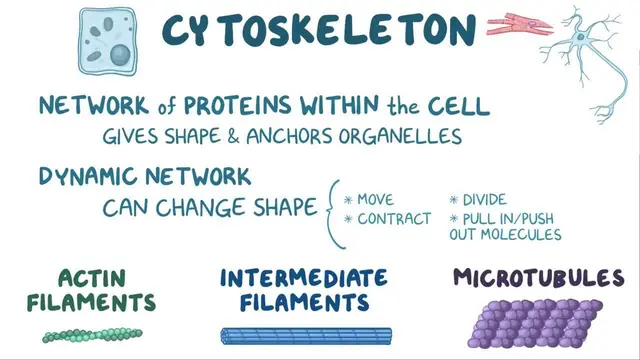
Cytoskeleton and intracellular motility
08:36
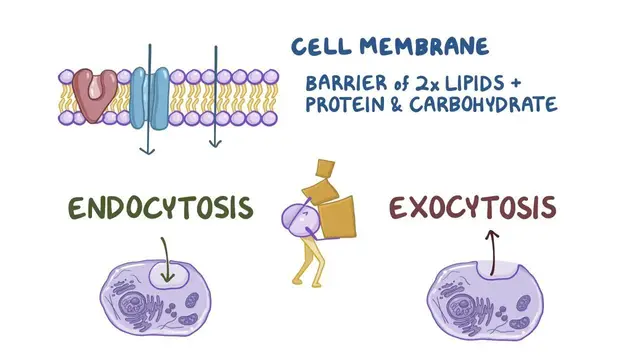
Endocytosis and exocytosis
05:26
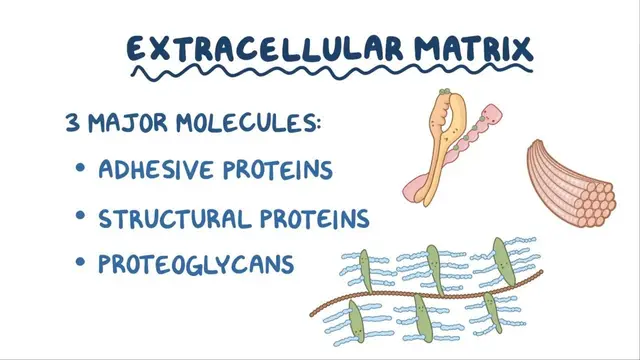
Extracellular matrix
12:37
Nernst equation
07:38
Osmosis
07:50
Resting membrane potential
07:00
Selective permeability of the cell membrane
Video Summary of Cytoskeleton and intracellular motility
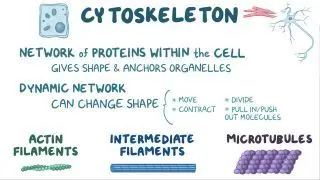
The cytoskeleton is a mesh-like structure that spans the entire cell and provides structural support. It is made of three main protein filaments: microtubules, actin filaments, and intermediate filaments. These filaments can assemble and disassemble to allow the cell to change shape and move.
The cytoskeleton is responsible for many cellular processes, including intracellular motility (the movement of organelles within the cell). This motility is accomplished through the actions of motor proteins, which bind to the cytoskeleton and use it as a track to move along. This movement allows cells to respond quickly to their environment and carry out essential functions like replication and division.