Osmosis video - Non-alcoholic fatty liver disease
00:00 / 00:00
Video Summary of Non-alcoholic fatty liver disease
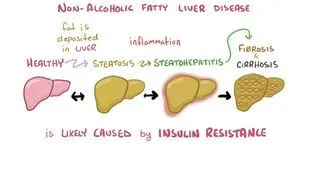
Non-alcoholic fatty liver disease (NAFLD) is a condition in which excess fat is deposited in the liver, leading to inflammation and scarring. NAFLD is a common liver disorder that affects people who do not drink alcohol excessively. NAFLD commonly affects people with metabolic syndrome, which includes a combination of three of the following five diagnoses: obesity, hypertension, diabetes, hypertriglyceridemia, and hyperlipidemia.
Symptoms of NAFLD may be subtle or absent in the early stages of the disease. In advanced stages, symptoms may include fatigue, abdominal pain, and jaundice. NAFLD can progress to a more serious condition called non-alcoholic steatohepatitis (NASH), which can lead to liver scarring and cirrhosis. Treatment for NAFLD may involve lifestyle changes such as weight loss, regular exercise, and a healthy diet to help reduce fat in the liver and improve insulin resistance.