Osmosis video - Protein synthesis inhibitors: Tetracyclines

00:00 / 00:00
More Videos

04:07
Mechanisms of antibiotic resistance

10:46
Antimetabolites: Sulfonamides and trimethoprim

15:13
Antituberculosis medications

15:07
Cell wall synthesis inhibitors: Cephalosporins

13:49
Cell wall synthesis inhibitors: Penicillins
07:11
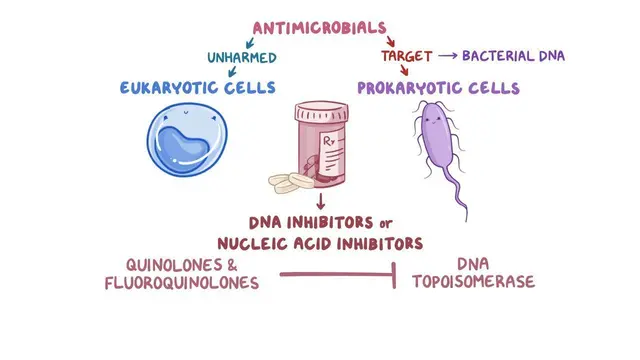
DNA synthesis inhibitors: Fluoroquinolones
05:24
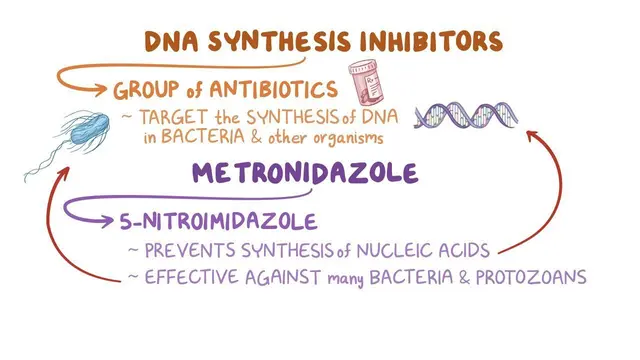
DNA synthesis inhibitors: Metronidazole
15:09
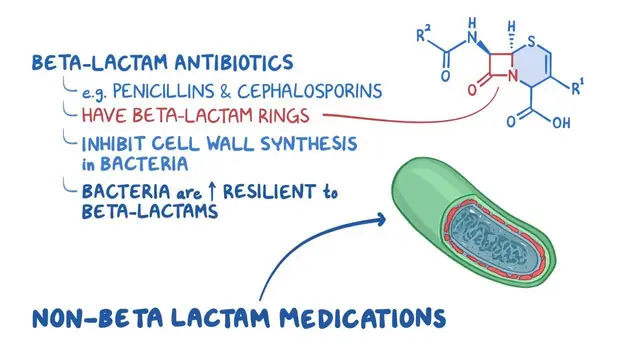
Miscellaneous cell wall synthesis inhibitors

16:32
Miscellaneous protein synthesis inhibitors
11:25
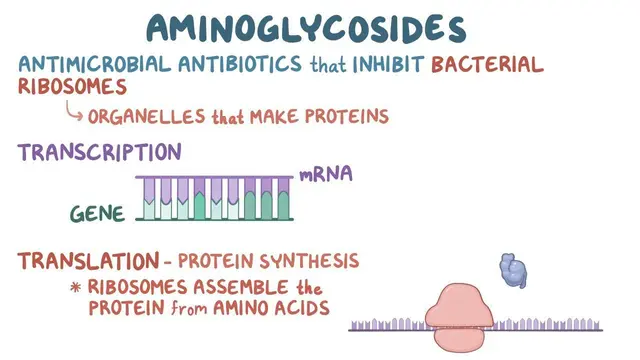
Protein synthesis inhibitors: Aminoglycosides
10:45
Protein synthesis inhibitors: Tetracyclines
Video Summary of Protein synthesis inhibitors: Tetracyclines
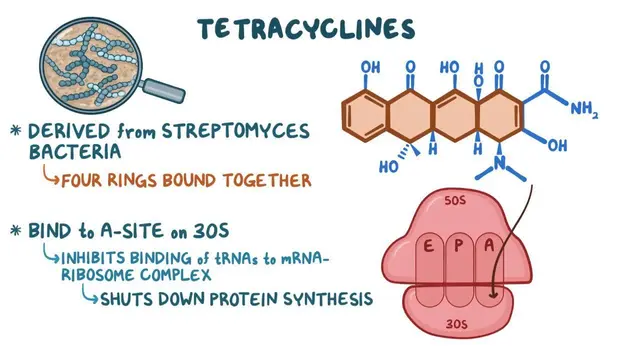
Tetracyclines are a class of antibiotics that inhibit bacterial protein synthesis by binding to the 30s subunit of their ribosomes and preventing tRNA from binding. Tetracyclines are broad-spectrum antibiotics, effective against many common gram-positive and gram-negative bacteria, as well as certain types of anaerobic and atypical bacteria. They are often used to treat respiratory and urinary tract infections, skin and soft tissue infections, and sexually transmitted diseases. Common side effects of tetracyclines include phototoxicity, tinnitus, teeth staining, bone growth delay, nephrotoxicity, and hepatotoxicity.