Osmosis video - Small for gestational age (SGA) infant: Nursing
00:00 / 00:00
Video Summary of Small for gestational age (SGA) infant: Nursing
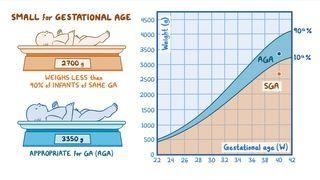
Small for gestational age or SGA is a medical term used to describe a neonate with a birth weight below the 10th percentile of gestational age and at great risk of complications. Risk factors include genetic abnormalities, multiple gestations, intrauterine growth restriction, as well as congenital infections, which are grouped under the acronym TORCH.
SGA can also be due to maternal hypertension, maternal diabetes, maternal asthma, or other maternal conditions like renal disease, poor nutrition or insufficient weight gain during pregnancy, and maternal exposure to harmful substances like illicit drugs during pregnancy.
SGA infants are at a higher risk for certain complications like respiratory distress, poor thermoregulation, hypoglycemia, and polycythemia. Nursing care goals include supporting thermoregulation and monitoring for complications. Teaching should center on explaining the condition, caring for the baby at home, promoting healthy pregnancies in the future, and when to seek medical care.