Osmosis video - Sympathomimetic medications: Nursing pharmacology
00:00 / 00:00
Video Summary of Sympathomimetic medications: Nursing pharmacology
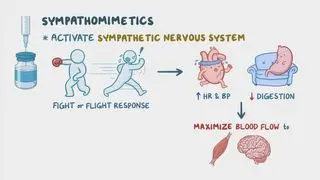
Sympathomimetic medications are drugs that mimic the effects of the sympathetic nervous system. They work by mimicking the effect of endogenous catecholamines, like norepinephrine and epinephrine, and can be used to treat conditions such as cardiac decompensation, shock, anaphylaxis, bronchospasm, and bradycardia post-cardiac arrest. Some common examples of sympathomimetic medications include dobutamine, dopamine, norepinephrine, epinephrine, and isoproterenol.
Once administered, these medications stimulate two types of adrenergic receptors, alpha, and beta. With alpha-adrenergic receptor stimulation, vasoconstriction occurs, whereas stimulation of beta-1 adrenergic receptors causes increased heart rate and contractility, and stimulation of beta-2 adrenergic receptors causes vasodilation and bronchodilation.
Common side effects of sympathomimetics include gastrointestinal disturbances, hypertension, and arrhythmias. Nursing considerations for clients receiving sympathomimetics include monitoring their hemodynamic status; titrating doses as needed; monitoring for side effects; and assessing for the desired therapeutic response. Client education is focused on what to expect during treatment.