
Visual Learning + Osmosis
Transform “I don’t get it” into “I’ve got it!”
Osmosis turns complex concepts into bite-sized visuals that finally make sense.
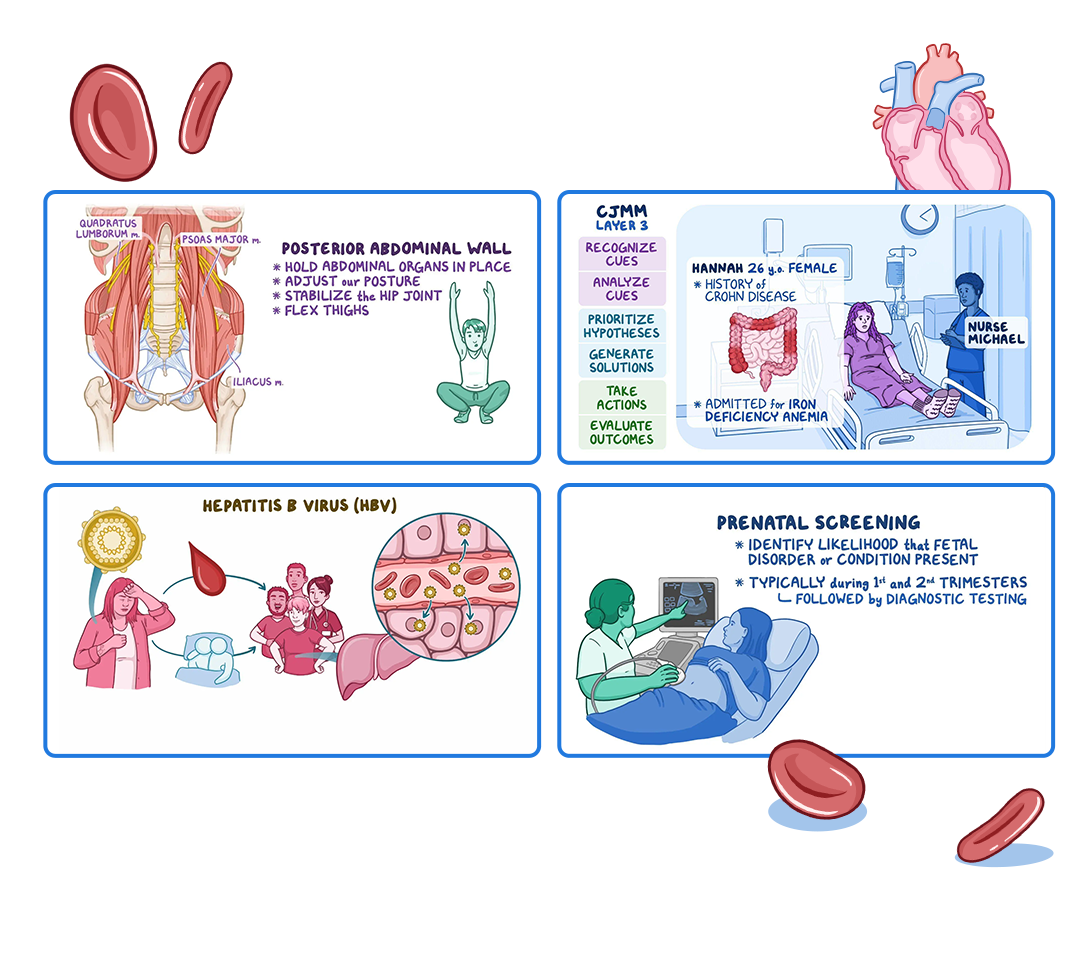
You don’t need one more wall of text
Endless lectures. Dense textbooks. Overloaded PowerPoints. It’s too much to take in. And too easy to tune out.
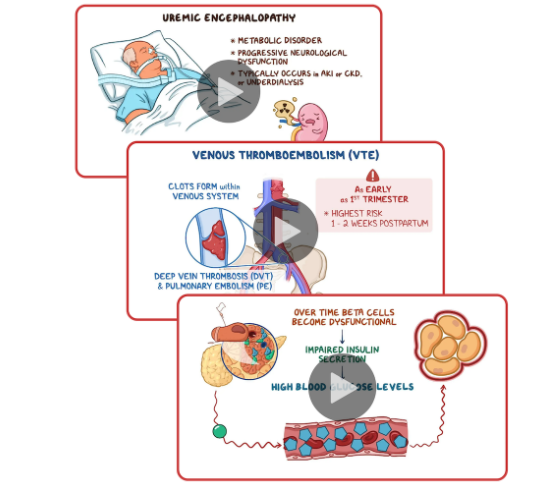
Your brain is built for visuals
The right visuals are easier on the eyes. They’re also proven to boost your learning.

Higher learning gain for medical students who learned with animated videos compared to textbooks

Better exam performance when med students used redesigned visual slides versus traditional slides
Source: Source: Multimedia design for learner interest and achievement: a visual guide to pharmacology

Improvement in precision when trainees used combined 2D and 3D visual aids in neurosurgical simulation
Source: Towards the target and not beyond: 2D vs 3D visual aids in MR-based neurosurgical simulation
Study smarter at a glance
Video may be the star, but you’ll find helpful visual aids built into every part of your study routine.
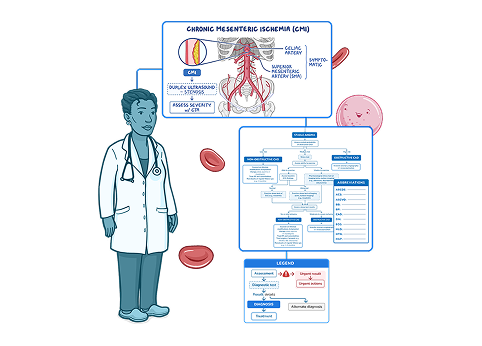
Decision-making trees
Clear, concise flowcharts guide your next clinical step
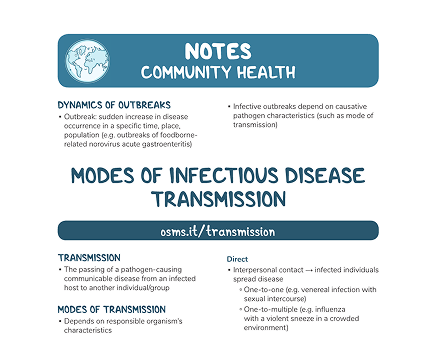
High-yield notes
Illustrated summaries highlight must-know facts
Illustrated infographics & diagrams
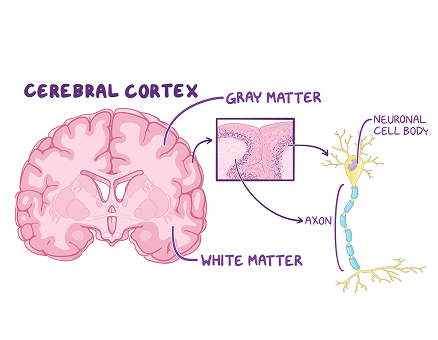
Complex systems broken down into scannable visuals
8M+ students are seeing
visuals pay off
Study sessions are more efficient with Osmosis
92.1%
of students agree that Osmosis helps them study more efficiently.
“
Osmosis has completely changed the way I study! The videos explain things so clearly, and the visuals make it easy to remember key concepts. I use it to review after class, and the quizzes help me see what I still need to work on. It’s such a great tool for learning.

Derya Nerende
MD student
Get more A’s to your Q’s.
Does visual learning improve memory?
Visual learning improves memory by helping our brains connect concepts with visual cues. The Osmosis platform uses videos, images, illustrations, diagrams, and animations to reinforce high-yield medical concepts and support long-term retention.
How do visuals help with complex topics?
Visuals help with complex topics by breaking down difficult processes or concepts into clear diagrams and step-by-step explanations. Osmosis videos use illustrations and animations to simplify complex medical concepts such as physiology, pathology, and pharmacology, to make learning easier and more fun.
Why are medical animations effective?
Medical animations are effective because they clearly demonstrate how biological processes and diseases develop over time. Osmosis animations illustrate mechanisms, symptoms, and treatments in a visual format that helps healthcare students understand and remember clinical concepts.
Is the use of visual learning an evidence-based practice?
Visual learning is supported by learning science research which shows that combining visuals with explanations can improve understanding and memory. The Osmosis platform applies visual learning alongside other evidence-based strategies such as spaced repetition to help our learners recall what they’ve learned.
Is visual learning better than reading?
Visual learning complements reading by helping learners understand complex concepts more quickly through diagrams and animations. Osmosis videos are designed to work alongside textbooks and other study materials to reinforce medical and health sciences knowledge.