Chvostek Sign · What Is It, What Does It Indicate, and More

Published: Dec 29, 2025
Author: Nikol Natalia Armata, MD
Editor: Alyssa Haag, MD
Editor: Józia McGowan, DO
Editor: Maria Giulia Boemi, MD
Illustrator: Jillian Dunbar
Copyeditor: Joy Mapes
7-day free trial

Go deeper with Osmosis

Osmosis is a learning platform with videos, questions, and AI tools to help you master topics like this.

4.8 · 12,000+ reviews
Watch quick, visual videos
Practice with Qbank-style questions
Use AI to explain, quiz, and review
Study anytime with the mobile app
Start free trial

No credit card · Cancel anytime

What is the Chvostek sign?

Chvostek sign is a clinical finding associated with hypocalcemia, or low levels of calcium in the blood. This clinical sign refers to a twitch of the facial muscles that occurs when gently tapping an individual's cheek, just in front of the ear. The Chvostek sign elicits an atypical reaction of the facial nerve, or seventh cranial nerve (CN VII), the nerve that innervates many of the muscles of the face. The pressure caused by the tapping acts as a triggering stimulus for involuntary contractions of the facial muscles ipsilaterally, or on the side that the clinical sign is performed. The sign is considered negative when no contractions of the facial muscles occur after stimulation of the facial nerve. 

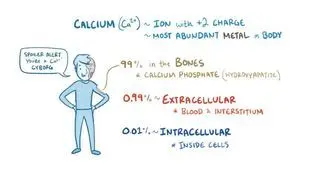
Ionized calciumor Ca+2, is responsible for controlling the nervesthreshold potential, which is the critical point before the nerve activatesHypocalcemia decreases the threshold needed for the nerve to transmit a signal to the muscle. Therefore, low calcium levels result in hyperexcitability of the nerves, which can result in spontaneous twitches, as seen with a positive Chvostek sign. 

Learn deeper with Osmosis

Master this topic faster with videos, questions, and AI.

Used by 8M+ healthcare learners.

Start free trial

No credit card · Cancel anytime

How do you pronounce “Chvostek”?

The word “Chvostek” is pronounced “vos-tek.” It’s named after Frantisek Chvostek, an Austrian physician who spent much of his career studying neurologic conditions.  

How is the Chvostek sign performed?

The Chvostek sign is performed by gently tapping the individual’s cheek 2 centimeters (about 0.75 inch) in front of the ear, over the facial nerve. Twitching of the mouth and periorbital muscles, or muscles around the eyes, on the side that was tapped is considered a positive Chvostek sign. 

What does a positive Chvostek sign indicate?

positive Chvostek sign raises suspicion for low calcium levels. Maintaining stable calcium levels is necessary for regulating the function of many cellular processes, including nerve activity, muscular contraction, hormone secretion, and blood coagulation.   

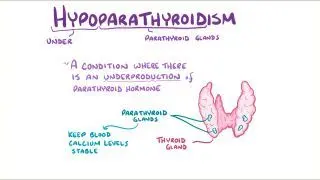
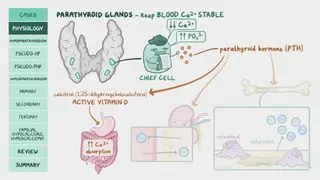
Parathyroid hormone (PTH), a hormone released by the parathyroid glands, regulates calcium levels in the body. When the calcium level is too low, PTH is released into circulation. Hypocalcemia usually results from a condition known as hypoparathyroidism, which is due to inadequate production of PTH. 

Hypoparathyroidism can occur because the parathyroid glands have been surgically removed or due to surgical removal of the thyroid gland, which can indirectly damage the blood supply to the parathyroid glands. Less frequently, hypoparathyroidism is the result of autoimmune disorders, such as autoimmune polyendocrine syndrome type 1, or genetic conditions, like DiGeorge syndrome, that involve the parathyroid glands.   

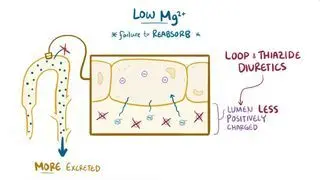
Aside from hypocalcemia, other factors can cause a positive Chvostek sign, including kidney failure, acute pancreatitis, and certain medications such as bisphosphonates and proton pump inhibitorsElectrolyte imbalances, such as low levels of vitamin D or magnesium, can also increase the excitability of nerves and lead to a positive Chvostek sign. Additionally, this sign may present in respiratory alkalosis, most commonly caused by hyperventilation 

The reliability of the Chvostek sign is questionable. According to more recent studies, it can frequently be found in healthy individuals or even in individuals with increased calcium levels rather than decreased. Therefore, if a positive Chvostek sign occurs, it’s important to investigate all possible causes of the sign. 
What does a negative Chvostek sign indicate?

A negative Chvostek sign cannot exclude hypocalcemia as a possible diagnosis in an individual. While the Chvostek sign frequently suggests hypocalcemia, it’s not a reliable sign for diagnosis, so absence of the sign is not conclusive.  

What are the most important facts to know about the Chvostek sign?

The Chvostek sign is a clinical finding usually associated with hypocalcemia, or low levels of calcium in the blood. This clinical sign presents after gently tapping over the cheek, 2 cm in front of the ear. If the Chvostek sign is positive, ipsilateral twitching of the facial muscles occurs, whereas there is no movement of the muscles if the sign is negative. A positive Chvostek sign may indicate hypocalcemia or other electrolyte imbalances, as well as severe conditions, like kidney failure or acute pancreatitis. If a positive Chvostek sign occurs, it’s important to investigate the underlying cause. On the other hand, a negative Chvostek sign does not necessarily exclude hypocalcemia. 

Key Takeaways

Definition 

Chvostek sign as a clinical finding associated with hypocalcemia, characterized by a twitch of the facial muscles occurring when gently tapping an individual’s cheek, just in front of the ear.  

Underlying Mechanism 

- Hypocalcemia → lower threshold potential, increased nerve excitability → spontaneous twitches 

- Tapping on facial nerve  if hypocalcemia, involuntary contraction of ipsilateral facial muscles 

Procedure 

- Gentle tap on the cheek, 2 cm in front of the ear  

- Positive if twitching of mouth and periorbital muscles 

Positive Chvostek Sign 

Positive sign should increase suspicion* for:  

- Hypocalcemia  

     - Often due to hypoparathyroidism (thyroidectomy, autoimmune disorders, genetic conditions 

- Kidney failure 

- Acute pancreatitis  

- Medications (e.g., bisphosphonates, proton pump inhibitors 

-Other electrolyte imbalances (vitamin D, magnesium 

- Respiratory alkalosis  

*Questionable reliability 

Negative Chvostek Sign 

- Negative sign cannot exclude hypocalcemia  

Students say Osmosis is 100% worth it

Because Osmosis saves them time. Lowers stress. And actually helps them remember when it counts.

I used Osmosis to prepare for my first medical school licensing exam! Super helpful and interactive for people who may not do great with just pages of text info!

Cecilia Ruiz

Cecilia Ruiz

MD student

Sayan Misra

I have used Osmosis for about four years. Best thing I have ever used for my medical studies.

Sayan Misra

Sayan Misra

Med student

Osmosis videos are superior because they define simple concepts, tell a story with a clear progression, and provide context.

Jay Pate

Jay Pate

Dental student

References


Hujoel IA. The association between serum calcium levels and Chvostek sign: A population-based study. Neurol Clin Pract. 2016;6(4):321-328. doi:10.1212/CPJ.0000000000000270 


Merriam-Webster. (n.d.). Chvostek's sign. In Merriam-Webster.com Medical Dictionary. Retrieved March 27, 2021, from https://www.merriam-webster.com/medical/Chvostek%27s%20sign 


National Organization for Rare Disorders (NORD), Shoback D. Hypoparathyroidism. In Rare Disease Database. Retrieved March 28, 2021, from https://rarediseases.org/rare-diseases/hypoparathyroidism/ 


Takezawa K, Townsend G, Ghabriel M. The facial nerve: Anatomy and associated disorders for oral health professionals. Odontology. 2018;106(2):103-116. doi:10.1007/s10266-017-0330-5