
Nasopharyngitis · What Is It, Causes, Treatment, and More

Published: Oct 22, 2025
Author: Anna Hernández, MD
Editor: Alyssa Haag, MD
Editor: Emily Miao, PharmD, MD
Editor: Kelsey LaFayette, DNP, ARNP, FNP-C
Editor: Lahav Constantini, MD
Illustrator: Jessica Reynolds, MS
Copyeditor: David G. Walker
7-day free trial

Go deeper with Osmosis

Osmosis is a learning platform with videos, questions, and AI tools to help you master topics like this.

4.8 · 12,000+ reviews
Watch quick, visual videos
Practice with Qbank-style questions
Use AI to explain, quiz, and review
Study anytime with the mobile app
Start free trial

No credit card · Cancel anytime

What is nasopharyngitis?

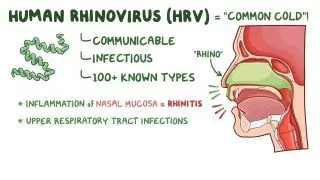
Nasopharyngitis is an inflammation of the nasal passages and pharynx, most commonly caused by viruses and known as the common cold. In some cases, it can also result from bacterial infections. It primarily affects young children and adolescents and is more common during the fall and winter months when people spend more time indoors and pathogens can spread more easily.  

Although nasopharyngitis is generally benign and self-limiting, it often leads to missed work or school days and prompts many individuals to seek medical advice or use supportive medications. 

Learn deeper with Osmosis

Master this topic faster with videos, questions, and AI.

Used by 8M+ healthcare learners.

Start free trial

No credit card · Cancel anytime

What causes nasopharyngitis?

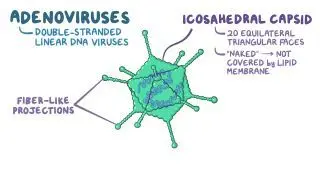
Nasopharyngitis is most commonly caused by respiratory viruses; however, may also result from infection by certain bacteria. Common viruses include the rhinovirus, respiratory syncytial virus (RSV), parainfluenza virus, adenovirus, and coronaviruses. These viruses are usually transmitted through respiratory droplets generated when coughing or sneezing. Droplets can land in the mouths or noses of individuals nearby or get inhaled into the upper airways. Most of these viruses can also survive on surfaces for a few hours, so it is possible to contract the virus by touching a surface, like a contaminated doorknob or faucet, and subsequently touching one’s eyes, nose, or mouth. Following transmission, the virus colonizes the upper airways and causes the release of inflammatory cytokines, leading to the various symptoms of the common cold.  

Although nasopharyngitis can occur anytime during the year, it is most common in the fall and winter months as people tend to spend most of their time indoors and in groups with close contact, especially in schools. In addition, winter months are characterized by cooler temperatures and low humidity, in which many respiratory viruses thrive, and which leads to dry nasal mucosa, impairing the mucosal barrier’s ability to trap and eliminate pathogens. 

What are the signs and symptoms of nasopharyngitis?

Nasopharyngitis is generally a benign, self-limiting condition that usually resolves within  1-2 weeks. Common symptoms include nasal congestion and discharge; moist and productive cough; sneezing; and sore throat. Low-grade fever, headache, fatigue, and malaise are variably present. Common cold symptoms may be accompanied by conjunctivitis, which refers to the inflammation of the conjunctiva of the eye (i.e., the mucous membrane that covers the front surface of the eye and inner surface of the eyelids). Unlike the seasonal flu, the symptoms associated with nasopharyngitis are generally gradual in onset and tend to be less debilitating than those of influenza 

Individuals with nasopharyngitis rarely develop any complications; however, occasionally, they may experience rhinosinusitis (i.e., inflammation of the nasal mucosa and paranasal sinuses); asthma exacerbations; acute otitis media; or lower respiratory tract infections, such as bronchitis, bronchiolitis, or pneumonia. These complications are more common in young children under the age of two and in individuals with a compromised immune system (e.g., those with HIV, individuals with cancer, etc.). 

How is nasopharyngitis diagnosed?

Nasopharyngitis is typically diagnosed clinically, using history and physical assessment, if both symptoms of pharyngitis and upper respiratory tract infection are present. Determining the virus causing the infection is generally not necessary, though in rare cases, the virus is cultured from a nasopharyngeal swab or identified by enzyme-linked immunosorbent assay (ELISA) or polymerase chain reaction (PCR) assays that detect viral RNA or DNA. 

There are several other conditions that may resemble the symptoms of nasopharyngitis, including influenza, COVID-19 infection, bacterial pharyngitis, acute bronchitis, allergic rhinitis, and pertussis. However, these conditions can usually be differentiated from the common cold by history and physical examination. Clinically differentiating nasopharyngitis symptoms from COVID-19 infection can be challenging as there is a high degree of variability in the presentation of COVID-19 and many symptoms may overlap with those of nasopharyngitis. On the other hand, bacterial infections, such as acute bacterial pharyngitis, can be more easily differentiated by the presence of manifestations such as acute-onset sore throat, pharyngeal edema, patchy tonsillar exudates, lack of cough, fever, and lymphadenopathy 

How is nasopharyngitis treated?

Treatment for nasopharyngitis is mostly supportive and can include comfort measures like sipping cold or warm beverages, over-the-counter pain management with ibuprofen or acetaminophen as needed, throat lozenges or sprays, drinking plenty of fluids, and bed rest. Other helpful measures include cessation of smoking, humidification of inspired air by vaporizers or humidifiers, raising the head of the bed at night with an extra pillow to allow the nasal passages to drain, and using saline nasal rinses.  

Effective measures to reduce the transmission of respiratory viruses include minimizing contact with infected individuals, wearing a face mask when feeling ill, and washing hands frequently with soap and water. 

People who experience frequent upper respiratory tract infections or who have persistent symptoms may be referred to an ear, nose, and throat (ENT) specialist for further evaluation. 

What are the most important facts to know about nasopharyngitis?

Nasopharyngitis, also known as the common cold, is a self-limiting upper respiratory tract infection typically caused by respiratory viruses, like respiratory syncytial virus (RSV), adenovirus, rhinovirus, and coronavirusesCommon cold symptoms include nasal congestionrunny nosesore throat, sneezing and coughing, general malaise, and low-grade fever. Diagnosis is clinical and treatment is mainly supportive consisting in rest, fluids, and pain medications. Mask-wearing and handwashing are important measures to reduce the transmission of upper respiratory tract infections. 

Key Takeaways

Definition 

Nasopharyngitis is an inflammation of the nasal passages and pharynx, most commonly caused by viruses and known as the common cold. 

Causes 
 

- Respiratory viruses:  

     - Rhinovirus  

     - Respiratory syncytial virus (RSV)  

     - Parainfluenza virus  

     - Adenovirus  

     - Coronavirus  

- Transmission: respiratory droplets generated when coughing or sneezing → inhaled, land in mouths or noses, contaminate surfaces for a few hours  

- Most common in fall and winter months  

     - More time spent indoors and in groups 

     - Dry nasal mucosa → impaired ability to trap and eliminate pathogens  

- May also be caused by bacterial infections  

Signs and Symptoms 

- Self-limiting in 1-2 weeks  

- Nasal congestion and discharge  

- Moist and productive cough  

- Sneezing  

- Sore throat  

- Low-grade fever 

- Headache 

- Fatigue 

- Malaise  

- Conjunctivitis  

- Complications (rare, more in children or immunocompromised):  

     - Rhinosinusitis  

     - Asthma exacerbations  

     - Acute otitis media  

     - Bronchitis, bronchiolitis, pneumonia  

Diagnosis 

- Medical history  

- Physical examination 

- Rare: virus identification via culture, ELISA, or PCR  

- Similar conditions:  

     - Influenza 

     - COVID-19 infections  

     - Bacterial pharyngitis 

     - Acute bronchitis  

     - Allergic rhinitis  

     - Pertussis  

Treatment 

- Supportive treatment 

     - Hydration with warm or cold beverages  

     - Bed rest  

     - Over-the-counter pain management (ibuprofen, acetaminophen, throat lozenges or sprays)  

     - Cessation of smoking 

     - Humidification of air (vaporizers, humidifiers)  

     - Raising the head at night 

     - Saline nasal rinses  

- To reduce transmission:  

     - Minimize contact with infected individuals  

     - Face masks 

     - Frequent hand washing  

- If frequent upper respiratory tract infections: ENT evaluation  

Students say Osmosis is 100% worth it

Because Osmosis saves them time. Lowers stress. And actually helps them remember when it counts.

I used Osmosis to prepare for my first medical school licensing exam! Super helpful and interactive for people who may not do great with just pages of text info!

Cecilia Ruiz

Cecilia Ruiz

MD student

Sayan Misra

I have used Osmosis for about four years. Best thing I have ever used for my medical studies.

Sayan Misra

Sayan Misra

Med student

Osmosis videos are superior because they define simple concepts, tell a story with a clear progression, and provide context.

Jay Pate

Jay Pate

Dental student

References


Gottlieb M, Long B, Koyfman A. Clinical mimics: An emergency medicine-focused review of streptococcal pharyngitis mimics. J Emerg Med. 2018;54(5):619-629. doi:10.1016/j.jemermed.2018.01.031


Grief SN. Upper respiratory infections. Prim Care. 2013;40(3):757–770. doi:10.1016/j.pop.2013.06.004


Heikkinen T, Järvinen A. The common cold. Lancet. 2003;361(9351):51-59. doi:10.1016/S0140-6736(03)12162-9


Pappas DE. The common cold. In: Cherry JD, Harrison GJ, Kaplan SL, Steinbach WJ, Hotez PJ, eds. Principles and Practice of Pediatric Infectious Diseases. 5th ed. Elsevier; 2018:199-202.e1. doi:10.1016/B978-0-323-40181-4.00026-8


Shulman ST, Bisno AL, Clegg HW, et al. Clinical practice guideline for the diagnosis and management of group A streptococcal pharyngitis: 2012 update by the Infectious Diseases Society of America. Clin Infect Dis. 2012;55(10):e86-e102. doi:10.1093/cid/cis629