The 6 P’s of a neurovascular assessment are pain, poikilothermia, paresthesia, paralysis, pulselessness, and pallor. When the clinician is assessing for pain, pain should only be felt at the site of the injury. Poikilothermia is the ability to regulate one's
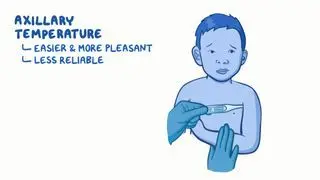
core body temperature; generally, the affected limb or area of the
body should be the same temperature as the rest of the body. If the affected area is significantly cooler, this might be a sign of compromised
blood flow. Paresthesias, or the feeling of numbness and tingling, can occur after an injury or post-surgery if a nerve is damaged. Testing for paralysis, or an inability to move part or all of the body, is another component of the neurovascular assessment. This involves assessing the ability to extend and bend the foot, hands, fingers, and toes and testing for muscle strength. Pulselessness refers to the absence of the radial,
dorsalis pedis, and posterior
tibialis pulses, or the pulses on the wrist, top of the foot, and back of the foot, respectively. When examining the pulses to assess for pulselessness, comparisons should be made from one side of the body to the other to ensure the pulses are present with symmetrical strength on both sides. Lastly, pallor, which refers to pale skin, may be indicative of
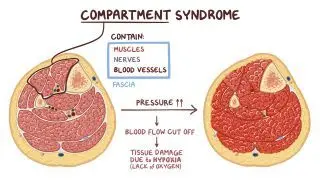
compartment syndrome. In contrast, purple or blue discoloration in the skin may indicate poor
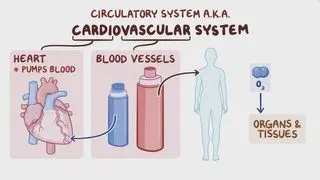
venous return of blood.