
Nosocomephobia · What It Is, Causes, Signs and Symptoms, Treatment, and More

Published: Apr 14, 2026
Author: Emily Miao, MD, PharmD
Editor: Alyssa Haag, MD
Editor: Ian Mannarino, MD, MBA
Editor: Kelsey LaFayette, DNP, ARNP, FNP-C
Illustrator: Abbey Richard, MSc
7-day free trial

Go deeper with Osmosis

Osmosis is a learning platform with videos, questions, and AI tools to help you master topics like this.

4.8 · 12,000+ reviews
Watch quick, visual videos
Practice with Qbank-style questions
Use AI to explain, quiz, and review
Study anytime with the mobile app
Start free trial

No credit card · Cancel anytime

What is nosocomephobia?

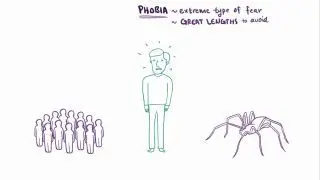
Nosocomephobia is a type of specific phobia characterized by an irrational fear of hospitals that interferes with one’s daily life and social activities. Also known as hospital phobia, nosocomephobia leads to intense anxiety and sometimes, panic attacks over the thought of visiting or staying at a hospital, even if medical care is necessary. A small number of people suffer from nosocomephobia, including former United States President Richard Nixon, who refused hospital admission to receive treatment for a blood clot in 1974. 

Learn deeper with Osmosis

Master this topic faster with videos, questions, and AI.

Used by 8M+ healthcare learners.

Start free trial

No credit card · Cancel anytime

What causes nosocomephobia?

The exact underlying causes of nosocomephobia are poorly understood, but it is thought to be multifactorial, involving a combination of genetic, environmental, and social factors. There may be genetic factors that predispose the individual to develop mental health conditions (e.g.anxiety disorders) or specific phobias like nosocomephobia. For example, individuals with a known family history of a specific phobia have an increased risk of developing a phobia compared to individuals without a family history. Prior traumatic experiences in hospitals (e.g., witnessing the death of a loved one) or negative experiences in medical settings (e.g., iatrogenic complications) may also contribute to the development of nosocomephobia. Cultural and social factors such as media coverage or a family member’s hospital experience may also shape one’s perceptions and beliefs. Nosocomephobia may develop in people who are sensitive to strong smells present in a hospital environment (e.g., antiseptics, human waste) or can be associated with other specific phobias such as trypanophobia (i.e., fear of needles), thanatophobia (i.e., fear of death), mysophobia (i.e., fear of germs), hemophobia (i.e., fear of blood) and iatrophobia (i.e., fear of doctors), among others.

What are the signs and symptoms of nosocomephobia?

Signs and symptoms of nosocomephobia may vary between individuals, however, the hallmark feature is an extreme fear of hospitals, which can lead to an avoidance of hospital settings, even when medical care is necessary. Signs may include increased heart rate and blood pressure, diaphoresis, shortness of breath, nausea, and heightened anxiety levels when thinking about the possibility of visiting or staying at a hospital. Individuals may also fear other hospital-related objects (e.g., needles, blood, germs).

How is nosocomephobia diagnosed?

Diagnosis of nosocomephobia begins with a thorough review of symptoms, medical history, and physical exam. The Diagnostic and Statistical Manual of Mental Disorders 5th Edition (DSM-5) criteria for diagnosis of a specific phobia include: 
 
(a) Marked fear or anxiety about a specific object or situation (e.g., irrational fear of hospitals) 
(b) The fear or anxiety is out of proportion to the actual danger posed by the specific object or situation 
(c) The fear or anxiety causes significant distress that results in impairments of activities of daily living and other important areas of functioning 
(d) The disturbance has lasted 6 months or more 
(e) Another medical condition does not better explain the disturbance

How is nosocomephobia treated?

Treatment of nosocomephobia consists of a combination of psychotherapy, pharmacotherapy, and multidisciplinary support to ensure comprehensive, tailored care. Psychotherapy options include cognitive behavioral therapy (CBT) and exposure therapy. CBT is a structured, goal-oriented type of talk therapy that helps affected individuals address and manage problematic patterns of thinking. CBT is an effective treatment that usually requires multiple sessions with a psychotherapist or psychiatrist, who helps the affected individual gain a deeper understanding of the underlying problem and recognize problematic thoughts and behaviors related to identified triggers. Exposure therapy is another form of talk therapy in which the individual is gradually exposed to the trigger. During exposure therapy, a therapist creates a safe environment and gradually exposes the individuals to feared objects and situations. Individuals are taught to utilize relaxation techniques during the encounter.  

Pharmacotherapy options include selective serotonin reuptake inhibitors (SSRIs) such as fluoxetine and citalopram, which can be used in conjunction with psychotherapy for individuals with more severe symptoms. Altogether, a multidisciplinary team of psychiatrists and mental health professionals can help manage nosocomephobia. 

What are the most important facts to know about nosocomephobia?

Nosocomephobia, the fear of hospitals, results in overwhelming anxiety and sometimes, panic attacks over the thought of visiting or staying at a hospital, even if medical care is necessary. The exact underlying causes of nosocomephobia are poorly understood but are thought to be multifactorial, involving a combination of genetic, environmental, and social factorsSigns include increased heart rate and blood pressure, diaphoresis, shortness of breath, and heightened anxiety levels associated with hospital-related thoughts. The diagnosis of nosocomephobia is clinical and is made when the DSM-5 criteria of the specific phobia are met. Treatment of nosocomephobia consists of a combination of psychotherapy, pharmacotherapy, and multidisciplinary support to ensure comprehensive, tailored care. 

Key Takeaways

Definition 

-Nosocomephobia is a type of specific phobia characterized by an irrational fear of hospitals that interferes with one’s daily life and social activities.  

-Consequences: intense anxiety; panic attacks  

Causes 

-Genetic factors – ↑ risk in individuals with family history of specific phobias  

-Environmental factors  

-Social factors  

-Prior traumatic/negative experiences in medical settings  

-Media coverage  

-Often associated with:  

-Strong sensitivity to smells present in hospital environment  

-Other specific phobias (trypanophobia; thanatophobia; mysophobia; hemophobia; iatrophobia 

Signs and symptoms 

-Extreme fear of hospitals, manifesting as:  

-Avoidance of hospital settings  

-Increased heart rate and blood pressure  

-Diaphoresis  

-Shortness of breath  

-Nausea  

-Heightened anxiety levels at the possibility of visiting or staying at a hospital  

Diagnosis 

-DSM-5 criteria for specific phobias 

-Marked fear or anxiety about a specific object or situation (e.g., irrational fear of hospitals)  

-The fear or anxiety is out of proportion to the actual danger posed by the specific object or situation  

-The fear or anxiety causes significant distress that results in impairments of activities of daily living and other important areas of functioning  

-The disturbance has lasted 6 months or more  

-Another medical condition does not better explain the disturbance 

Treatment 

-Psychotherapy  

-Cognitive behavioral therapy (CBT)  

-Exposure therapy  

-Pharmacotherapy (in conjunction with psychotherapy) 

-Multidisciplinary support 

Students say Osmosis is 100% worth it

Because Osmosis saves them time. Lowers stress. And actually helps them remember when it counts.

I used Osmosis to prepare for my first medical school licensing exam! Super helpful and interactive for people who may not do great with just pages of text info!

Cecilia Ruiz

Cecilia Ruiz

MD student

Sayan Misra

I have used Osmosis for about four years. Best thing I have ever used for my medical studies.

Sayan Misra

Sayan Misra

Med student

Osmosis videos are superior because they define simple concepts, tell a story with a clear progression, and provide context.

Jay Pate

Jay Pate

Dental student

References


Ashraf Z, Raza SA, Khalid F, Sabzwari Z, Dur-re-Shahwar. Prevalence of nosocomephobia – Hospital related depression. Ann Psychophysiol. 2016;3(1):27-32. doi:10.29052/2412-3188.v3.i1.2016.27-32


Cheng S, Thor P, Zhong H, Moreno A, Sheetz M, Popovic M. A qualitative analysis of intraoperative acupuncture for nosocomephobia: the unseen patient. Reg Anesth Pain Med. 2023;48(Suppl 1):A226-A227. doi:10.1136/rapm-2023-ESRA.418


Thor P, Moreno A, Zhong H, et al. A qualitative analysis of the use of intraoperative acupuncture for patients with nosocomephobia. Acupuncture in Medicine. 2024;42(6):356-361. doi:https://doi.org/10.1177/09645284241298717