Peritonitis · What is it, Causes, Diagnosis, Treatment, and More
Published: Mar 04, 2025
Author: Ahaana Singh•
Editor: Antonella Melani, MD•
Editor: Lisa Miklush, PhD, RN, CNS
Illustrator: Abbey Richard
7-day free trial
Go deeper with Osmosis
Osmosis is a learning platform with videos, questions, and AI tools to help you master topics like this.
Watch quick, visual videos
Practice with Qbank-style questions
Use AI to explain, quiz, and review
Study anytime with the mobile app
Try Osmosis Free
No credit card required
What is peritonitis?
Peritonitis refers to the inflammation of the peritoneum, which is the inner membrane that lines the abdominal cavity and abdominal organs. Peritonitis is typically caused by an infection involving gastrointestinal or pelvic organs, and it can be life threatening if left untreated.
Learn deeper with Osmosis
Master this topic faster with videos, questions, and AI.
Used by 8M+ healthcare learners.
Try Osmosis Free
No credit card required
Can peritonitis lead to sepsis?
A potential complication of peritonitis is sepsis, which results from the spread of infection throughout the body. Sepsis refers to the body’s extreme response to such an infection and can potentially lead to organ damage and failure. If not treated immediately, sepsis can be fatal.
What causes peritonitis?
Depending on its cause, peritonitis can be classified into two main types of peritonitis: spontaneous bacterial peritonitis and secondary peritonitis.
Spontaneous bacterial peritonitis is usually a complication of liver or kidney failure, resulting in fluid buildup in the abdominal cavity (also known as ascites). Spontaneous bacterial peritonitis is the development of an infection of the ascitic fluid in the peritoneum, with no identifiable source of the infection.
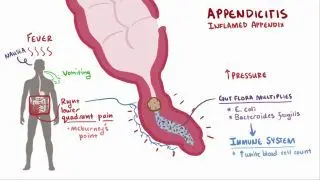
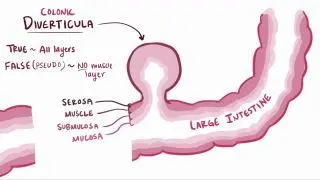
Secondary peritonitis, on the other hand, has a clear source. It is typically the result of a ruptured organ in the abdomen, which can allow bacteria to enter the peritoneal cavity. Secondary peritonitis most often occurs as a complication of gastrointestinal disorders, such as appendicitis, pancreatitis, a ruptured stomach ulcer, or a perforated colon. Additionally, diverticulitis may cause peritonitis if one of the diverticula (infected pouches in the digestive tract) rupture and spill waste into the abdominal cavity. Secondary peritonitis may also result from abdominal trauma or injury. Finally, secondary peritonitis can also occur as a complication of certain medical procedures, such as gastrointestinal surgery, the use of feeding tubes, or peritoneal dialysis.What is peritoneal dialysis?
Dialysis is used to clean an individual’s blood when their kidneys can no longer do so, typically due to kidney failure. In peritoneal dialysis, the peritoneum is used as a natural filter for the blood by inserting a catheter into the individual’s abdomen. The dialysis fluid is then introduced into the abdomen through the catheter, where it absorbs wastes and excess fluids from the blood. This fluid is then drained and discarded. The catheter should be cleaned properly before each infusion. Poor hygiene or contaminated equipment may result in infection and peritonitis.
What are the signs and symptoms of peritonitis?
Signs and symptoms of peritonitis may vary depending on the underlying cause. Common symptoms of peritonitis include abdominal discomfort, nausea and vomiting, loss of appetite, diarrhea, constipation, fever, fatigue, and confusion. Early stage peritonitis will often present as dull, generalized pain in the abdomen, whereas later stage peritonitis may cause more severe, localized abdominal pain. If undergoing peritoneal dialysis, cloudy dialysis fluid can also be a sign of peritonitis.
How fast does peritonitis develop?
Peritonitis is a medical emergency that requires prompt medical attention, as it develops very rapidly. Upon rupture of the abdominal wall or abdominal organs, the peritoneum can become infected within 24 to 48 hours.
How do you diagnose peritonitis?
Several tests can be performed in order to diagnose peritonitis. Firstly, a physical examination and review of medical history can reveal underlying conditions or medical procedures that may have caused peritonitis. A blood test may be taken to check for high white blood cell counts or the presence of bacteria. A peritoneal fluid analysis can also be performed to determine if there is infection or inflammation. Finally, imaging studies, such as X-rays or CT scans, can show perforation or other trauma in the gastrointestinal tract.
If peritonitis is associated with peritoneal dialysis, a physical exam assessing signs and symptoms may be enough to diagnose the condition. In particular, cloudy dialysis fluid is highly indicative of peritonitis.How do you treat peritonitis?
Treatment for peritonitis depends on the underlying cause of the condition. Antibiotics will often be prescribed to fight infection and control the potential spread of infection. The type and duration of antibiotics are determined by the severity and cause of the peritonitis. In some cases, surgery may also be required to remove the source of infection and control its spread. Surgery may also be performed to treat underlying conditions, such as a burst appendix or colon. Peritonitis may also require additional supportive care including pain management, intravenous fluids, and oxygen.
If the peritonitis is associated with peritoneal dialysis, physicians may recommend switching to another form of dialysis until the infection has healed.What are the most important facts to know about peritonitis?
Peritonitis is the inflammation of the inner lining of the abdominal cavity. There are two main types of peritonitis: spontaneous bacterial peritonitis and secondary peritonitis. Spontaneous bacterial peritonitis is usually due to an infection of the ascitic fluid from liver or kidney failure, with no identifiable source of the infection. Secondary peritonitis, on the other hand, has a clear source. It is typically the result of a ruptured organ in the abdomen. This can be the complication of certain gastrointestinal diseases (such as a burst appendix, pancreatitis, or a perforated colon), as well as a complication of certain medical procedures (such as gastrointestinal surgery, the use of feeding tubes, or peritoneal dialysis).
Symptoms include abdominal discomfort, nausea and vomiting, loss of appetite, diarrhea, constipation, fever, fatigue, and confusion. Peritonitis can be diagnosed through a physical exam, blood test, peritoneal fluid analysis, or imaging studies. Treatment can involve antibiotics to treat the infection, as well as surgery to remove infected tissue and resolve underlying conditions. Additional supportive care may be provided to hospitalized individuals. If left untreated, the infection may spread and can cause life threatening complications such as sepsis.Related topics

Students say Osmosis is 100% worth it
Because Osmosis saves them time. Lowers stress. And actually helps them remember when it counts.
I used Osmosis to prepare for my first medical school licensing exam! Super helpful and interactive for people who may not do great with just pages of text info!"

Cecilia Ruiz
MD student

I have used Osmosis for about four years. Best thing I have ever used for my medical studies."

Sayan Misra
Med student
Osmosis videos are superior because they define simple concepts, tell a story with a clear progression, and provide context."

Jay Pate
Dental student