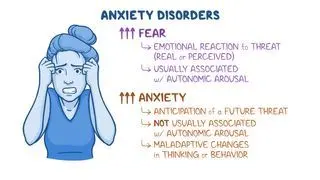
Individuals with phagophobia often avoid eating solid foods and swallowing fluids or pills due to an extreme and persistent fear of choking. They may experience anticipatory anxiety or worry when thinking about swallowing and develop symptoms such as heart palpitations, shaking, and sweating whenever they attempt to swallow or bring food close to their mouth. Over time, individuals may develop avoidance behaviors, such as eating small mouthfuls of food, swallowing one mouthful in several attempts, and drinking lots of water to facilitate swallowing. They may also avoid social situations that may involve eating or drinking, including dinner parties, family meetings, or social events, which can lead to loneliness and isolation.
People with phagophobia may also change their diet habits to accommodate the fear of swallowing, including eating only liquids, purées, or soft foods. In severe cases, phagophobia can lead to the avoidance of eating or drinking altogether, resulting in significant weight loss and malnutrition. Like with other anxiety disorders, the symptoms of phagophobia are often worsened by stress and triggered by feelings of anger, sadness, or isolation.