
Vasovagal Syncope · What Is It, Causes, Prevention, and More

Published: Sep 03, 2025
Author: Anna Hernández, MD
Editor: Alyssa Haag, MD
Editor: Emily Miao, MD, PharmD
Editor: Kelsey LaFayette, DNP, ARNP, FNP-C
Illustrator: Jillian Dunbar
Copyeditor: Sadia Zaman, MBBS, BSc
7-day free trial

Go deeper with Osmosis

Osmosis is a learning platform with videos, questions, and AI tools to help you master topics like this.

4.8 · 12,000+ reviews
Watch quick, visual videos
Practice with Qbank-style questions
Use AI to explain, quiz, and review
Study anytime with the mobile app
Start free trial

No credit card · Cancel anytime

What is vasovagal syncope?

Syncope, from Greek sunkopē (sun-, ‘together’ and koptein, ‘strike, cut off’), refers to a sudden loss of consciousness as a result of a temporary decrease in the blood flow supplying the brain. When syncope is caused by certain triggers, like the sight of blood or an intense emotion, it is called vasovagal syncope or reflex syncope. Most individuals with vasovagal syncope experience a prodrome, which is a period of symptoms lasting at least a few seconds just prior to losing consciousness. The prodrome is usually associated with a precipitating event and may include dizziness, lightheadedness, a sense of being warm or cold, pallor, nausea, sweating, palpitations, and blurry vision, as well as poorer hearing or being able to hear strange sounds. With vasovagal syncope, injuries are uncommon, since the prodrome usually gives individuals time to get to safety. 

Learn deeper with Osmosis

Master this topic faster with videos, questions, and AI.

Used by 8M+ healthcare learners.

Start free trial

No credit card · Cancel anytime

What causes vasovagal syncope?

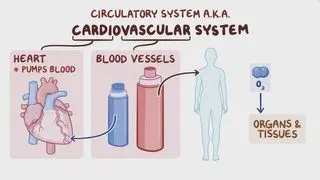
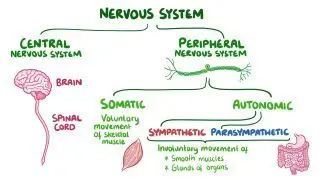
Vasovagal syncope is caused by overstimulation of the parasympathetic nervous system, in particular the vagus nerve, which controls functions like heart rate, blood pressure, and digestion. Excessive vagal activity causes a reduction in heart rate and dilation of blood vessels. Together, these effects lead to a significant reduction in blood flow to the brain, which causes a transient loss of consciousness.  

In most cases, vasovagal syncope occurs in response to certain triggers, which commonly involve emotional stimuli, like stress, intense pain, unpleasant smells, or the sight of blood. Other common triggers include prolonged standing, especially in crowded or excessively warm places; a sudden change in position, like standing up too fast; or straining during bowel movements. 

Factors that can make the body more susceptible to a vasovagal response include being dehydrated or ill, lack of sleep, and physical exertion 

How is vasovagal syncope diagnosed and treated?

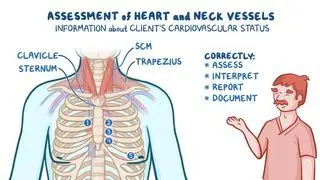
Diagnosis of vasovagal syncope begins with a thorough medical history and physical examination. This may include assessing the individual’s vital signs, measuring their blood pressure standing and lying down, and obtaining an ECG to rule out other causes of syncope like an arrhythmia, structural heart abnormalities, or a myocardial infarction (i.e., heart attack). Next, it’s important to rule out any conditions that could potentially mimic syncope, including seizures, stroke, sleep disturbances, and accidental falls that resulted in head injury  

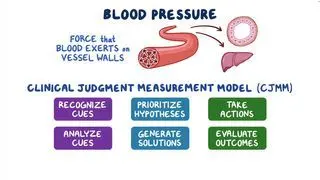
In individuals where fainting episodes occur due to sudden changes in position, orthostatic hypotension may be suspected, which is when there is a drop in blood pressure after standing from a sitting or lying position. In these cases, a-tilt table test can be performed to evaluate how the body responds to changes in position. The tilt-table test is performed with an individual lying flat on a special table while their ECG and blood pressure are monitored. The table creates a change in posture from lying to standing in an attempt to trigger a vasovagal response. If an individual experiences symptoms associated with a drop in blood pressure during the test, a diagnosis of orthostatic hypotension can be made.  

Immediate treatment of vasovagal syncope involves lying the individual down with their legs elevated, in order to help increase venous return to the heart and restore blood flow to the brain. In most cases, vasovagal syncope only lasts for a few seconds and there is usually a spontaneous recovery requiring no further medical attention. Some individuals may feel weak, tired, or nauseous after regaining consciousness, but that sensation generally resolves on its own after a few hours. 

Does vasovagal syncope ever resolve?

Vasovagal syncope occurs episodically and although it can go away for some time, new syncope episodes may occur if the individual is exposed to precipitating factors. Vasovagal syncope is highly common, as 1 in 3 individuals will experience a syncope episode at least once throughout their lifetime. Luckily, these fainting spells occur occasionally and are self-limited, so they generally do not require any treatment besides preventive measures 

How is vasovagal syncope prevented?

Preventing a vasovagal syncope includes avoiding any potential triggers, such as standing for a prolonged time or the sight of blood; drinking plenty of fluids to maintain adequate blood volume; and standing up slowly from a lying or sitting position to prevent orthostatic hypotension 

Once the prodrome starts, individuals may take preventive measures to avoid progression into a full fainting spell. For example, counterpressure exercises aim to increase venous return to the heart by decreasing the amount of blood pooling in the legs and pushing it back to the heart. These exercises can be performed standing, sitting, or lying down, and involve squeezing the muscles of the arms or legs tightly until the symptoms resolve. Alternatively, squatting down, squeezing the fists together, or clasping the hands against each other may achieve the same effect.  

Finally, individuals with multiple syncope episodes may be treated with medications, including mineralocorticoids (e.g., fludrocortisone), vasoconstrictors (e.g., midodrine), or selective serotonin-reuptake inhibitors (e.g., fluoxetine). However, the efficacy of these medications varies between individuals.  

What are the most important facts to know about vasovagal syncope?

Vasovagal syncope is a benign condition caused by a drop in heart rate and blood pressure that is triggered by certain environmental or emotional stimuli (e.g., the sight of blood). Diagnosing vasovagal syncope involves performing a medical history and physical examination, along with an ECG to rule out cardiogenic causes of syncope. When an individual has an acute syncope episode, the goal is to ensure that blood returns to their brain as soon as possible by positioning the individual on the ground with their legs slightly elevated. Preventing vasovagal syncope is done by avoiding any potential triggers, drinking plenty of fluids, and taking prescribed medications, if needed.  

Key Takeaways

Definition 

Sudden loss of consciousness due to reduced blood flow to the brain, caused by specific triggers such as the sight of blood or an intense emotion, usually preceded by a prodrome. 

Causes 
 

- Overstimulation of the vagus nerve of the parasympathetic nervous system → reduction in heart rate and blood vessel dilation → reduction in blood flow to the brain  

- Triggers:  

     - Emotional stimuli: stress, intense pain, unpleasant smells, sight of blood  

     - Prolonged standing 

     - Sudden change in position  

     - Straining during bowel movements 

- Factors increasing susceptibility: 

     - Dehydration  

     - Illness 

     - Lack of sleep  

     - Physical exertion  

Diagnosis 

- Medical history  

- Physical examination  

- Vital signs  

- ECG (rule out cardiac causes)  

- Rule out mimicking conditions

Treatment

- Lying down with elevated legs  

- Usually spontaneous recovery  

Resolution 

- Occasional and self-limited 

- Can reoccur upon exposure to precipitating factors  

- Experienced 1 in 3 individuals  

Prevention 

- Avoid triggers  

- Avoid progression once prodrome starts  

- If multiple episodes: medications  

     - Mineralocorticoids  

     - Vasoconstrictors  

     - SSRIs  

Students say Osmosis is 100% worth it

Because Osmosis saves them time. Lowers stress. And actually helps them remember when it counts.

I used Osmosis to prepare for my first medical school licensing exam! Super helpful and interactive for people who may not do great with just pages of text info!

Cecilia Ruiz

Cecilia Ruiz

MD student

Sayan Misra

I have used Osmosis for about four years. Best thing I have ever used for my medical studies.

Sayan Misra

Sayan Misra

Med student

Osmosis videos are superior because they define simple concepts, tell a story with a clear progression, and provide context.

Jay Pate

Jay Pate

Dental student

References


Benditt DG, Fedorowski A, Sutton R, van Dijk JG. Pathophysiology of syncope: Current concepts and their development. Physiol Rev. Published online 2024. doi:10.1152/physrev.00007.2024  


Cohen D, Menegaz LL, Ito PFKO, Pinto FC, Santos HLS, Campos AC. Prevention and treatment of vasovagal syncope: A bibliographic review. Braz J Hea Rev. 2024;7(5):e72580. doi:10.34119/bjhrv7n5-078 


Dani M, Panagopoulos D, Dirksen A, et al. Vasovagal syncope: A review of current and future strategies. Eur J Arrhythm Electrophysiol. 2021;7(1):40. doi:10.17925/ejae.2021.7.1.40 


SEC Working Group for the 2018 ESC Guidelines for Syncope, Expert Reviewers for the 2018 ESC Guidelines for Syncope, and the SEC Guidelines Committee, SEC Working Group for the 2018 ESC Guidelines for the Diagnosis and Management of Syncope, Expert Reviewers for the ESC Guidelines for the Diagnosis and Management of Syncope, SEC Guidelines Committee. Comments on the 2018 ESC guidelines for the diagnosis and management of syncope. Rev Esp Cardiol (Engl Ed). 2018;71(10):787-793. doi:10.1016/j.rec.2018.07.012 


Udyavar A, Deshpande S. Evaluation and management of reflex vasovagal syncope—A review. Indian Journal of Clinical Cardiology. 2022;3(1):34-46. doi:10.1177/26324636211050154