

VINDICATE

Differential Diagnoses Acronym

Author: Emily Miao, MD, PharmD
Editor: Alyssa Haag, MD
Editor: Lily Guo, MD
Editor: Kelsey LaFayette, DNP, ARNP, FNP-C
Illustrator: Jannat Day
Modified: May 02, 2025

What is a differential diagnosis?

A differential diagnosis is a systematic diagnostic process used by healthcare providers to assist in making a final diagnosis based on an individual’s presenting signs and symptoms. Differential diagnoses can be used to compare a list of possible conditions, especially when a patient's symptoms overlap or match more than one condition
 
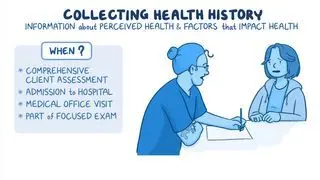
For example, when an individual presents with a chief complaint, like shortness of breath, healthcare providers need to identify the possible causes of the individual’s symptoms based on a thorough set of interview questions known as a history and physical, which may assist the provider in making the diagnosis. The interview consists of asking the patient’s medical history, which includes any pertinent medical conditions (e.g., high blood pressurehistory of mental disorders); a list of medications or herbal supplements the individual is currently taking; any known medication, food, or environmental allergies; a family history which includes any relevant medical conditions that may run in the family; a social history which includes living situation, marital status, or any prior history of substance abuse. A review of systems (ROS) is a systematic way of asking a series of questions to identify any additional signs or symptoms the patient may be experiencing, that were not previously mentioned. These questions are often asked in a structured manner based on organ system. For example, for the cardiac system, questions may include, Have you experienced chest pain? Increased heart rate?”  
 
After the initial series of interview questions and history, the healthcare provider will perform a physical examination, with emphasis on organ systems that are pertinent based on the information gathered. If the chief concern is shortness of breath, then auscultation of the heart and lungs may be helpful. Then, based on the entire history and physical, the healthcare provider will identify several differential diagnoses, including most likely (i.e., most common), less likely, least likely, and can’t miss (i.e., less common but severe), and perform additional laboratory or imaging tests for further information. Once imaging and laboratory test results return, the healthcare provider may either exclude certain diagnoses or make the final diagnosis. 
An infographic detailing the differential diagnoses acronym, VINDICATE.

What is VINDICATE?

VINDICATE is an acronym that offers healthcare providers a systematic approach to building differential diagnoses. When performing a differential diagnosis, it’s important to keep the potential diagnoses broad and thorough. The VINDICATE acronym offers a broad category of mechanism-based etiologies that help the healthcare provider build a differential diagnosis in an organized and thorough way. 

What does the “V” in VINDICATE mean?

The “V” in VINDICATE stands for vascular which refers to vascular mechanisms that may cause disease. Vascular mechanisms consist of blood vessel or blood flow problems such as narrowing, obstruction, or vessel inflammation that may be contributing to the individual’s symptoms. For example, for a chief complaint of shortness of breath, vascular mechanisms may include pulmonary embolism, which is a blockage in the pulmonary artery, or aortic dissection, which is a tear in the inner layer of the aorta. 

What does the first “I” in VINDICATE mean?

The first “I” in VINDICATE stands for infectious or inflammatory which covers a broad group of infectious organisms or inflammatory mechanisms that can potentially explain the individual’s signs and symptoms. For example, infectious and inflammatory etiologies like pneumonia or bronchitis can present with shortness of breath. 

What does the “N” in VINDICATE mean?

The “N” in VINDICATE stands for neoplastic which refers to either primary neoplasm or metastatic cancer which could be contributing to signs and symptoms. In the case of shortness of breath, a lung mass or metastatic cancer to the lungs can cause an obstruction and make it difficult for an individual to breathe. 

What does the “D” in VINDICATE mean?

The “D” in VINDICATE stands for degenerativedeficiency, and drugs. Degenerative refers to degenerative disorders that can cause symptoms. In the case of shortness of breath, chronic obstructive pulmonary disease (COPD) is a degenerative pulmonary disorder that may cause shortness of breath and expiratory airflow limitations. On the other hand, a deficiency in red blood cell count, called anemia, can lead to decreased oxygen delivery to tissues and shortness of breath. Finally, adverse effects from drugs or medications, like amiodarone or bleomycin, can also lead to shortness of breath secondary to interstitial lung disease. 

What does the second “I” in VINDICATE mean?

The second “I” in VINDICATE stands for idiopathicintoxication, and iatrogenic. For example, sometimes shortness of breath may be brought on by toxins and chemicals, like carbon monoxide, or iatrogenic causes, which are secondary to treatment or other causes, like beta-blockers, which may cause bronchoconstriction. In other cases, the disease may be idiopathic or arise spontaneously with the cause unknown.

What does the “C” in VINDICATE mean?

The “C” in VINDICATE stands for congenital which refers to conditions that are present at birth. For example, congenital etiologies for shortness of breath may include heart defects present at birth, such as tetralogy of Fallot, a combination of structural heart defects that can lead to death if left untreated. Congenital etiologies are less common in adults since they are often caught early in childhood but should still be included on the differential until the final diagnosis is made. 

What does the “A” in VINDICATE mean?

The “A” in VINDICATE stands for autoimmuneallergic, and anatomic which refer to autoimmune disorders, allergies, or structural anomalies, respectively. For example, systemic lupus erythematosus (SLE) is an autoimmune condition in which the body attacks its tissues and can lead to a wide variety of systemic manifestations, including shortness of breath due to lung inflammation. Additionally, allergic reactions like anaphylaxis can also trigger acute and severe shortness of breath. Finally, anatomic or structural abnormalities like scoliosis may cause difficulty with lung expansion leading to shortness of breath.

What does the “T” in VINDICATE mean?

The “T” in VINDICATE stands for traumatic which refers to trauma. For example, in the setting of trauma, rib fractures or a pneumothorax can present with acute shortness of breath.

What does the “E” in VINDICATE mean?

The “E” in VINDICATE stands for endocrine which are metabolic mechanisms that may disrupt homeostasis. In the setting of shortness of breath, endocrine disorders affecting the thyroid such as hypo- or hyperthyroidism can both cause shortness of breath.  

What are the most important facts to know about the VINDICATE acronym?

A differential diagnosis is a systematic diagnostic process utilized by healthcare providers in the process of making a final diagnosis based on an individual’s presenting signs and symptoms. A differential diagnosis is considered when similar symptoms overlap or match more than one condition and thus, additional tests are required to narrow down the final diagnosis. The VINDICATE acronym offers a broad category of mechanism-based etiologies that help the provider build a differential in an organized and thorough way. 

Key Takeaways

DefinitionVINDICATE is an acronym that identifies mechanism-based etiologies to help a provider build a differential diagnosis in an organized and thorough way. 
VVascular
IInfectious and inflammatory
NNeoplastic
DDegenerative, deficiency, and drugs
IIdiopathic, intoxication, and iatrogenic
CCongenital
AAutoimmune, allergic, and anatomic
TTraumatic
EEndocrine

References


Cook CE, Décary S. Higher order thinking about differential diagnosis. Braz J Phys Ther. 2020;24(1):1-7. doi:10.1016/j.bjpt.2019.01.010 


Kämmer JE, Schauber SK, Hautz SC, Stroben F, Hautz WE. Differential diagnosis checklists reduce diagnostic error differentially: A randomised experiment. Med Educ. 2021;55(10):1172-1182. doi:10.1111/medu.14596 


NCI Seer Training Modules. History and Physical Exam. https://training.seer.cancer.gov/diagnostic/history.html. Accessed May 11, 2024.