
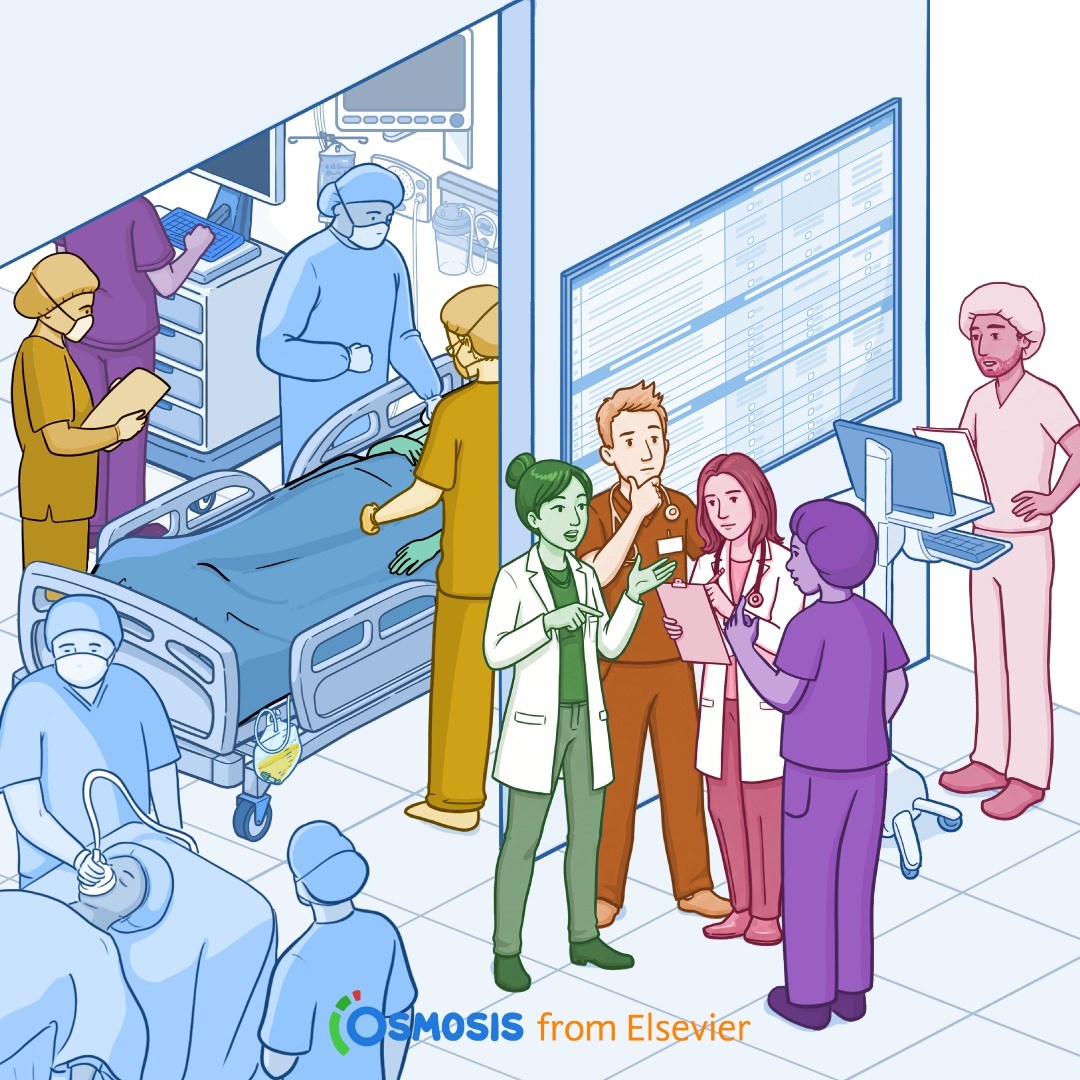
Why is emergency medicine an important part of clinical rotations? And why does it offer such a unique, electrifying perspective on patient care that gets every medical student and resident pumped from the very first shift? The emergency department is a total powerhouse of exciting, high-energy learning where every moment is packed with challenges, quick decisions, rewarding breakthroughs, and those “I can’t believe I just did that” moments that make you feel alive.
As the bustling front door to the entire healthcare system, the ED welcomes a vibrant, nonstop flow of patients in their most real and unpredictable states. This front-line position is incredible because it immerses you in the raw heartbeat of medicine, teaching you to navigate uncertainty, team dynamics, and real human stories with skill, speed, and a positive attitude that sticks with you forever.
Emergency medicine lessons extend beyond the ED. They have a ripple effect that makes you a stronger, more versatile doctor in any specialty you choose. Clinical reasoning sharpened on undifferentiated patients, prioritization under intense pressure, communication that shines in stressful situations, adaptability when plans change fast, and systems thinking that sees the full healthcare picture are all superpowers you gain here. Let’s see exactly how time spent in the emergency department makes every future physician better, regardless of specialty.
Seeing Medicine at Its Most Acute
Caring for patients in the earliest, most critical stages of illness is hands-down one of the most exhilarating parts of medicine. In the ED, you meet illnesses and injuries at their freshest and most urgent, giving you the chance to step in when it matters most and see immediate results.
You quickly sharpen your ability to spot life-threatening conditions through keen observation of subtle signs, vital patterns, and rapid bedside tests. The adrenaline of catching a STEMI on EKG in minutes or recognizing early sepsis is unmatched. This forges rock-solid instincts that save lives across every specialty.
Learning to act decisively before all the data arrives builds real courage and smart confidence that feels empowering every time. You master stabilizing airways, launching resuscitation, ordering key imaging, and buying precious time while the team investigates further. This mindset proves invaluable for future surgeons in trauma bays, internists on wards, pediatricians with sick kids, and even radiologists who better appreciate clinical urgency.
The ED blends intensity with satisfying diagnostic wins, keeping every shift dynamic and full of fresh learning. Students often share stories of their first intubation or cleverly handled case with big smiles, turning nerves into lasting confidence. This acute exposure develops resilience to uncertainty and quick thinking that studies show improve patient outcomes and satisfaction across fields.
Understanding the Patient Journey
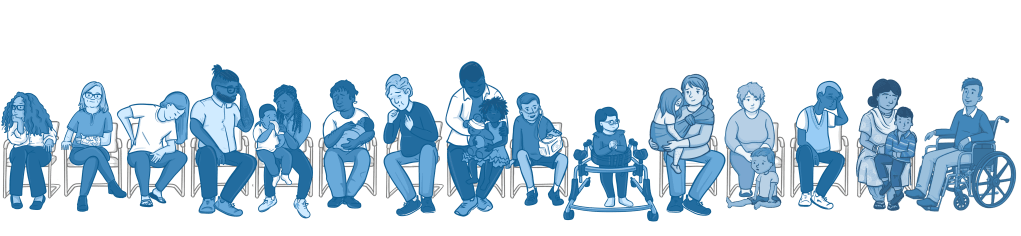
Where patients come from before reaching the ED is one of the most fascinating parts of the experience, packed with real human stories that build deep empathy, insight, and practical wisdom you’ll carry forever. Patients arrive from everywhere: busy homes where folks delayed care because of work, overcrowded outpatient clinics, understaffed nursing facilities, or even the streets after struggling without basic resources.
Here, social determinants of health come alive—transportation problems, financial stress, language barriers, cultural mistrust, or lack of insurance turn minor issues into true emergencies. These encounters transform abstract textbook ideas into vivid, memorable lessons that forever change how you practice medicine.
The ED beautifully connects outpatient, inpatient, and specialty care like an ever-changing puzzle on every shift. You speak directly with primary doctors about recent visits, consult specialists, arrange observation stays or safe discharges, and see what gets missed once patients leave. EMS stories, family dynamics in the waiting room, and frustrating bounce-backs all provide crystal-clear context that helps you prevent future crises.
You’ll have plenty of rewarding “aha” moments when a patient’s full backstory suddenly explains their presentation. Working closely with social workers, case managers, interpreters, and families strengthens your teamwork and compassion. This rich perspective leads to fewer readmissions, stronger advocacy, more holistic plans, and care that patients truly appreciate. The ED makes these insights dynamic, joyful, and highly practical. This will help you become the kind of doctor who always sees the bigger picture and delivers meaningful, lasting impact.
Lessons in Prioritization
Identifying sick versus not sick is one of the most thrilling superpowers the ED develops fast. The sharp clinical instincts that result feel almost superhuman and are incredibly valuable across any medical setting. In the midst of buzzing monitors, waiting patients, and competing demands, you learn to quickly scan rooms, pick up key findings, check vital signs, and make rapid calls on who needs urgent intervention versus who can safely wait.
This risk stratification and clinical decision-making keeps departments running efficiently while protecting patients in high-pressure environments. Managing multiple cases at once turns potential chaos into an exciting, focused challenge. You might juggle a stroke alert, a pediatric fever with possible sepsis, and complex abdominal pain, all while deciding exactly when to activate the trauma team, call urgent consults, or safely observe.
This prioritization skill translates beautifully to every medical specialty. Clinic doctors triage same-day add-ons effortlessly. Ward residents handle heavy loads and sudden deteriorations with ease. Surgeons prioritize cases like pros. The ED’s high-volume, high-variety setting offers endless repetition and immediate feedback from attendings, making these lessons fun, deeply ingrained, and second nature.
These abilities reduce medical errors, improve flow, and lead to better patient outcomes. Embrace the fast-paced pressure. It forges calm, capable physicians who genuinely enjoy delivering timely, high-quality care.
Communication Under Pressure
Communicating with patients and families during stressful situations is where the ED truly helps you shine as a master of empathy, clarity, and genuine connection. It is both challenging and deeply rewarding. You get constant practice delivering difficult news with real compassion, breaking down complex medical plans into simple language even when emotions run high, and building instant rapport that calms fears and builds trust on the spot.
Working seamlessly with nurses, consultants, EMS providers, and the full healthcare team feels like conducting a high-energy orchestra. Clear roles, timely updates, and structured tools like SBAR lead to smooth handoffs, fewer errors, and faster, lifesaving care. This collaborative spirit is exciting and authoritative. You see its positive impact in real time during every shift.
These communication abilities translate powerfully to every medical specialty. Oncologists use them to navigate sensitive conversations with poise. Psychiatrists handle crises and de-escalations more effectively. Primary care doctors build stronger, lasting relationships with patients and families. The immediate positive feedback on patient and team dynamics keeps you engaged and continually improving.
The ED makes practicing communication under pressure enjoyable, high-yield, and truly transformative. It shapes physicians known and respected for their outstanding clarity, teamwork, and human connection.
Understanding Healthcare Systems Through the ED Lens
The ED is a vital safety net. It gives you an exciting front-row seat to how medical systems actually work in the real world. You’ll dive into care coordination across specialties, manage admissions and discharges, oversee observation units, and plan smart follow-up care. This setting teaches resource stewardship and systems-based practice better than anywhere else. You’ll tackle real-world challenges such as patient boarding, consult delays, and thoughtful diagnostic testing, gaining insight into the inner workings of hospitals, clinics, and communities.
This perspective shows how individual decisions flow across the larger system, inspiring you to spot problems and suggest meaningful improvements no matter your future role. There’s real satisfaction in seeing that even small contributions during your rotation can lead to shorter wait times, smoother transitions, or better use of resources.
The systems thinking you develop in the ED produces more efficient, aware physicians who improve care quality, reduce waste, and support sustainable healthcare. When you leave the rotation, you’ll feel empowered to navigate complex systems and drive positive change with creativity and confidence. This practical, eye-opening knowledge is one of the ED’s most valuable takeaways.
Skills That Translate to Every Specialty
Clinical reasoning gets turbocharged in the ED, where undifferentiated cases deliver thrilling diagnostic puzzles on nearly every shift. You’ll quickly get hooked on the intellectual rush and your own rapid growth as you synthesize incomplete histories and exams, build sharp differential diagnoses, and adjust plans in real time as labs and imaging roll in.
These experiences forge confident, authoritative thinking that shines in any clinical setting. Adaptability becomes second nature as you pivot seamlessly when patients change, or new details emerge mid-shift. Teamwork crackles with energy during fast-paced multidisciplinary huddles, while professionalism and patient-centered care remain your trademarks even amid chaos.
These powerhouse skills transfer enthusiastically to every medical field. Internists deliver tighter differentials on ward rounds, surgeons handle unexpected findings with poise, and pediatricians comfort worried parents more effectively. Researchers appreciate the systematic, evidence-based mindset honed under pressure. Whether in clinics, ORs, academic projects, or leadership roles, you’ll stand out with poise, versatility, and capability that colleagues notice immediately.
The rotation makes mastering these abilities genuinely fun through real-world repetition, supportive attendings, and visible patient wins. It shapes authoritative physicians who thrive in any specialty, which is why ED rotations can be transformative experiences for medical students.
Common Misconceptions About Emergency Medicine
First, there’s the belief that emergency medicine is only about dramatic trauma cases and nonstop heart-pounding action. While it’s one of the most common and fun myths to bust, the ED beautifully blends those exciting high-drama saves with thoughtful management of everyday issues like chest pain workups, infections, psychiatric emergencies, and chronic condition flares. You’ll tackle plenty of bread-and-butter cases that build rock-solid core knowledge alongside thrilling trauma activations, making the rotation feel well-rounded, educational, and genuinely enjoyable from start to finish.
Next is the misconception that every patient walks out with a clear, definitive diagnosis right away. Many cases focus on initial stabilization, smart workups, and safe discharge or referral plans. This teaches you the valuable art of managing clinical uncertainty with confidence, safety, and excellent judgment—skills that perfectly prepare you for the gray areas of real-world medicine where answers often unfold gradually.
Then there’s the myth that learning emergency medicine is only useful for future ED physicians. As you may have guessed, that’s one of the biggest misconceptions that needs to go. The prioritization, communication, and systems-thinking skills you gain during your emergency medicine rotation boost doctors across every field. These skills help surgeons stay organized, help oncologists navigate tough conversations, and support primary care with care coordination.
Dispelling these outdated stereotypes lets you fully appreciate the ED’s incredible breadth, depth, and value for any career path.
The Importance of the ED for Medical Students
The emergency department teaches you skills every physician uses throughout their career. It teaches prioritization strategies that keep you efficient and level-headed during even the most hectic days, communication techniques that build powerful trust and rapport quickly, and systematic thinking approaches that beautifully connect all the different pieces of patient care into coherent, effective plans. Learning to prioritize effectively, communicate clearly under pressure, and think systematically about complex situations benefits every specialty in a practical, high-impact way. It helps make your daily work smoother, safer, more collaborative, less stressful, and significantly more enjoyable overall.
Understanding the healthcare system from the unique vantage point of the ED lens leads to better patient outcomes, stronger interdisciplinary collaborations, fewer system-related frustrations, and more innovative problem-solving. Dive into your ED rotation fully with enthusiasm, curiosity, openness to feedback, and a willingness to learn from every case.
You’ll emerge transformed, highly confident, resilient, adaptable, and truly ready to shine brilliantly no matter which direction your medical journey takes you. You’ll be armed with unforgettable real-world stories, versatile clinical skills, powerful insights, and a positive mindset that sets you apart.
The emergency department offers lessons that extend far beyond emergency medicine itself. Through a unique blend of high-stakes decision-making, diagnostic variety, and real-time adaptability, the ED rotation forges physicians who are sharper, calmer, and more capable in any clinical setting.
What makes the ED truly special is its universal value. Regardless of specialty, every future physician benefits from seeing medicine through the emergency department lens. The prioritization skills honed during chaotic shifts help surgeons stay focused in the operating room. At the same time, clear communication strategies help pediatricians reassure anxious families and internists coordinate complex care. Systems-level insights reduce frustration and improve patient outcomes across all fields. By fully embracing the rotation’s challenges and triumphs, medical students emerge more resilient, well-rounded, and patient-centered.
The ED doesn’t just prepare you for one career path. It transforms how you practice medicine for life, creating doctors who deliver better care with greater confidence, teamwork, and joy. In the end, time spent in the emergency department consistently proves to be one of the most powerful investments in becoming an exceptional physician.
Key Takeaways
- Emergency medicine rotations help students recognize acute, potentially life-threatening conditions and develop clinical reasoning skills that apply across medical specialties.
- Working with undifferentiated patients teaches students to prioritize urgent needs, make decisions with incomplete information, and adapt as clinical situations evolve.
- Communicating with patients, families, and multidisciplinary teams under pressure strengthens clarity, empathy, collaboration, and effective handoffs.
- The emergency department provides a unique perspective on healthcare systems, including care coordination, patient transitions, resource utilization, and social determinants of health.
- Skills developed during emergency medicine rotations, including adaptability, prioritization, teamwork, and systems thinking, can help students become more versatile, patient-centered healthcare professionals.
References
- https://pmc.ncbi.nlm.nih.gov/articles/PMC12107277/
- https://www.ama-assn.org/medical-students/clinical-rotations
- https://www.ama-assn.org/medical-students/medical-school-life
- https://www.osmosis.org/blog/how-to-collaborate-with-your-er-attending
- https://www.osmosis.org/notes/Acute_coronary_syndromes
- https://www.osmosis.org/learn/Sepsis:_Clinical_sciences
- https://www.osmosis.org/learn/Maintaining_an_airway
- https://www.osmosis.org/learn/Social_Determinants_of_Health
- https://www.osmosis.org/learn/Interprofessional_teamwork:_Nursing
- https://www.osmosis.org/learn/Abdominal_Pain
- https://www.osmosis.org/learn/How_to_deliver_bad_news
- https://www.osmosis.org/answers/sbar-handoff-report-acronym
- https://www.osmosis.org/blog/the-osmosis-ultimate-guide-to-thriving-in-clinical-rotations
- https://www.osmosis.org/blog/how-to-thrive-during-clinical-rotations-and-make-the-most-of-your-time-in-the-clinic
- https://www.osmosis.org/blog/how-to-teach-teamwork-and-interprofessional-practice-in-healthcare
- https://pmc.ncbi.nlm.nih.gov/articles/PMC12527386/
- https://bmjopenquality.bmj.com/content/13/3/e002829
- https://www.frontiersin.org/journals/medicine/articles/10.3389/fmed.2025.1625760/full
- https://www.cambridge.org/core/services/aop-cambridge-core/content/view/737AF3CF8E5F4921DA76C8E573B83313/S1481803500007545a.pdf
- https://www.annemergmed.com/article/S0196-0644(13)00947-5/fulltext
- https://link.springer.com/article/10.1186/s12245-019-0230-2
- https://www.sciencedirect.com/science/article/pii/S2588994X24000782
- https://iem-student.org/2023/05/01/communication-and-interpersonal-interactions-2023/
- https://pmc.ncbi.nlm.nih.gov/articles/PMC11429346/
- https://www.acep.org/patient-care/open-access-acep-clinical-resources
- https://www.ahrq.gov/topics/emergency-department.html
- https://www.ahrq.gov/diagnostic-safety/index.html
- https://nam.edu/initiatives/diagnostic-excellence/
- https://www.aamc.org/about-us/mission-areas/medical-education/cbme/core-epas

Get your Osmosis from Elsevier free trial today to discover why millions of clinicians and caregivers love learning by Osmosis!
Leave a Reply