Osmosis video - Acute intermittent porphyria
00:00 / 00:00
More Videos
06:26
Acute intermittent porphyria
11:39
Autoimmune hemolytic anemia

09:08
Glucose-6-phosphate dehydrogenase (G6PD) deficiency
08:51
Sickle cell disease (NORD)

10:36
Folate (Vitamin B9) deficiency
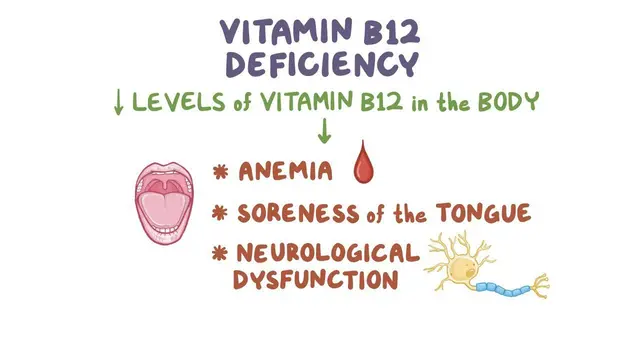
10:26
Vitamin B12 deficiency
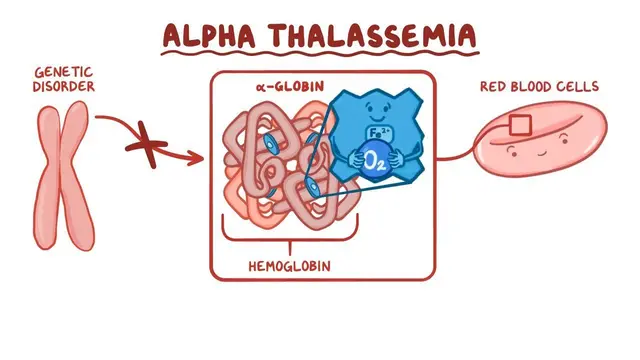
07:18
Alpha-thalassemia
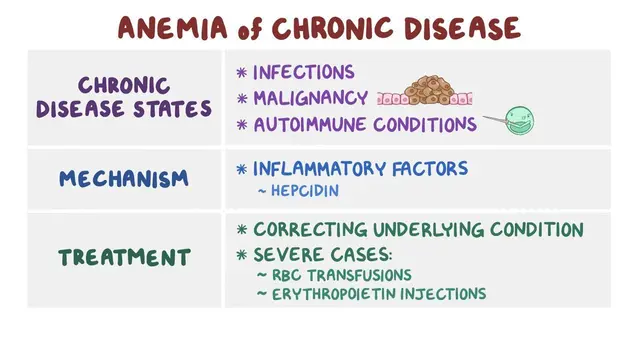
06:39
Anemia of chronic disease
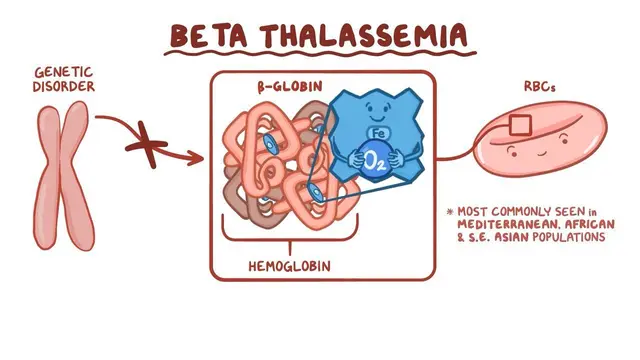
07:17
Beta-thalassemia
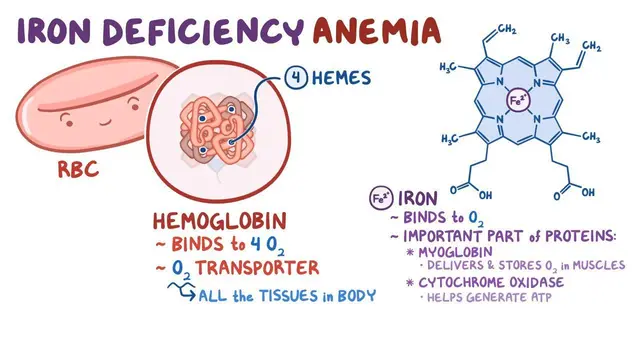
09:30
Iron deficiency anemia
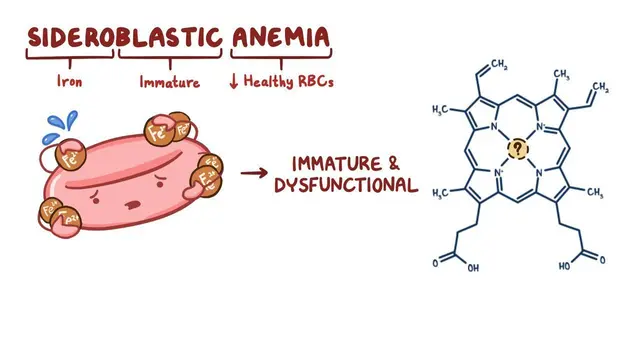
06:52
Sideroblastic anemia
06:39
Anemia of chronic disease
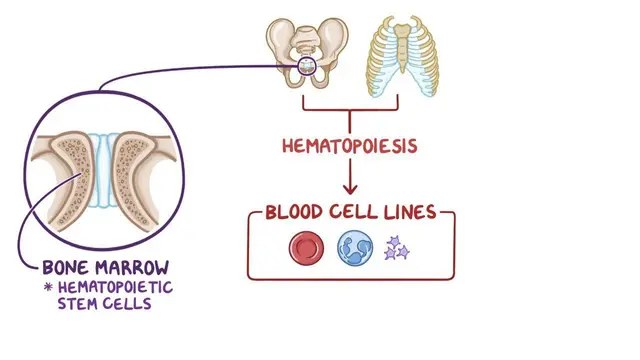
06:36
Aplastic anemia
06:36
Aplastic anemia
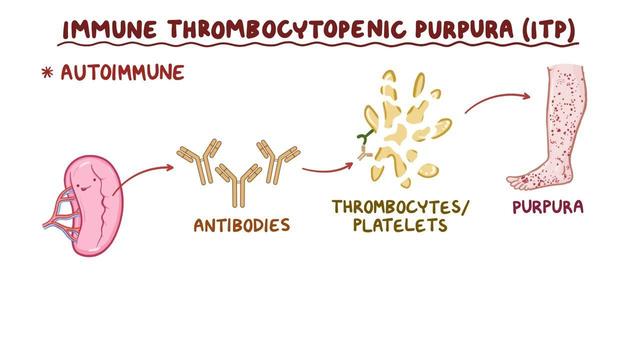
04:44
Immune thrombocytopenia
05:07
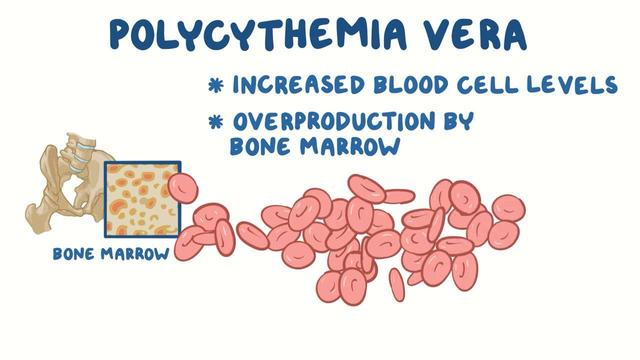
Polycythemia vera (NORD)
Video Summary of Acute intermittent porphyria
Acute intermittent porphyria is a rare genetic disorder in which there is a deficiency of a heme biosynthetic enzyme called hydroxymethylbilane synthase (HMBS). Without HMBS, the synthesis of heme is impaired, which results in the accumulation of metabolites delta-aminolaevulinic (ALA), and porphobilinogen (PBG), which are potentially toxic.
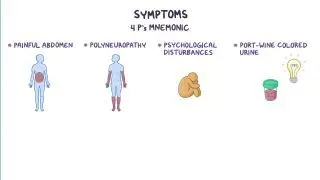
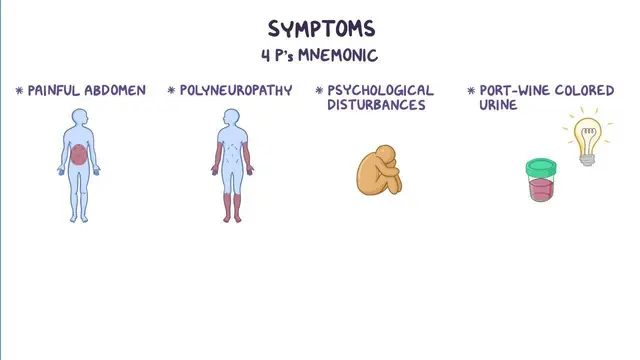
Signs and symptoms of acute intermittent porphyria usually begin between the ages of 20 and 40. They can include abdominal pain, vomiting, constipation, seizures, mental confusion, signs of peripheral neuropathy, and dark urine.