Osmosis video - Fascia, vessels and nerves of the upper limb
00:00 / 00:00
More Videos
16:19
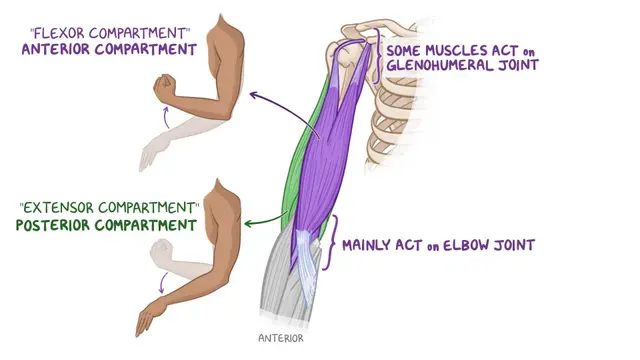
Anatomy of the arm

09:27
Anatomy of the axilla
10:59
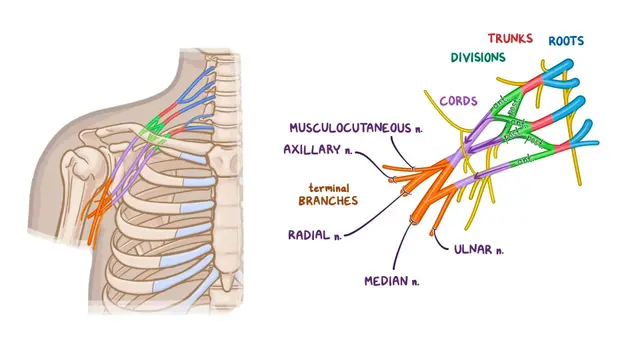
Anatomy of the brachial plexus
05:30
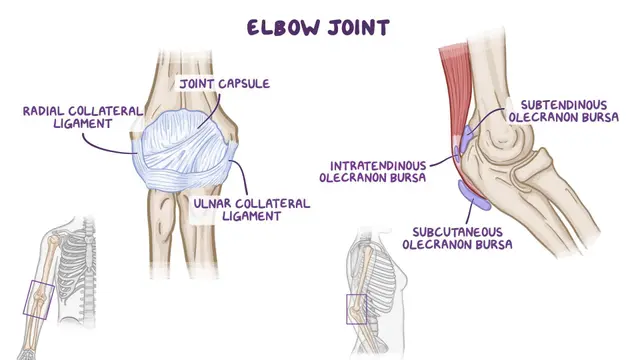
Anatomy of the elbow joint
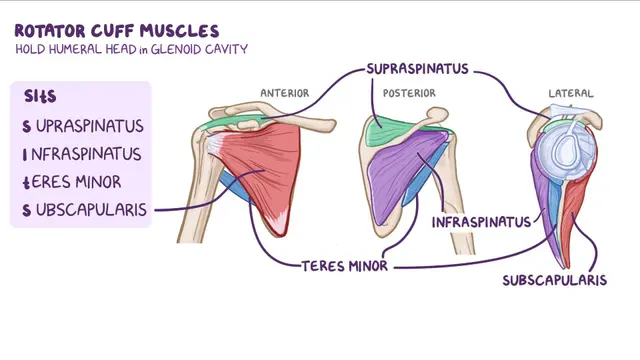
09:23
Anatomy of the glenohumeral joint
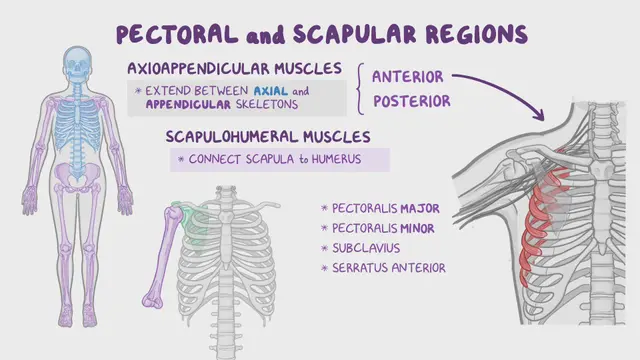
29:45
Anatomy of the pectoral and scapular regions
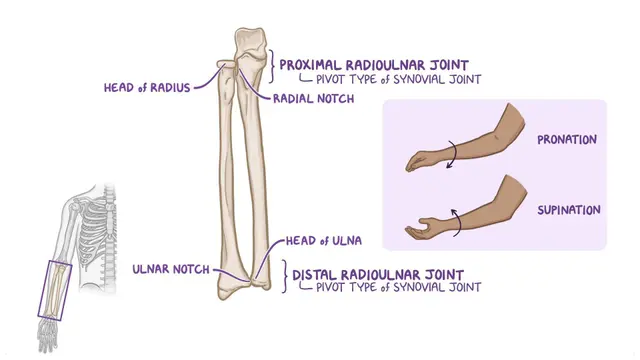
03:47
Anatomy of the radioulnar joints
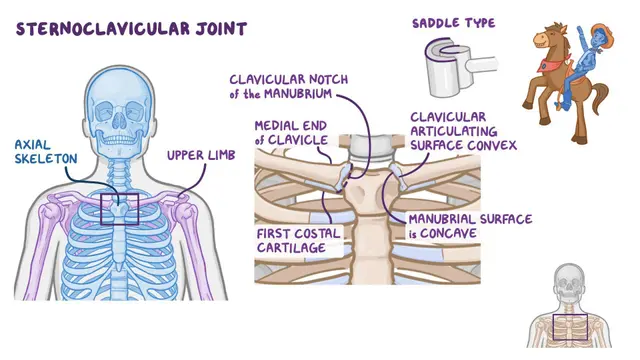
05:05
Anatomy of the sternoclavicular and acromioclavicular joints
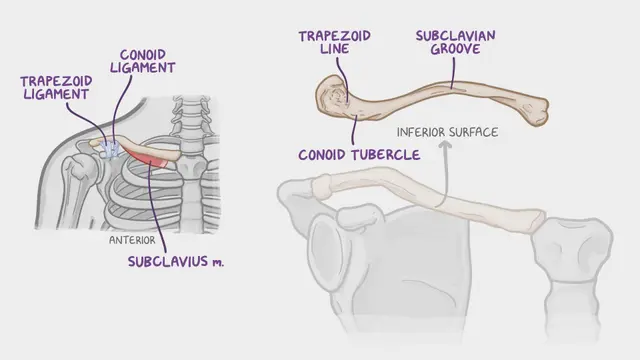
21:01
Bones of the upper limb
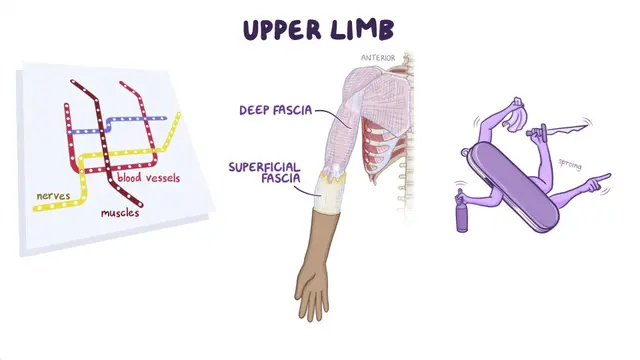
25:21
Fascia, vessels and nerves of the upper limb
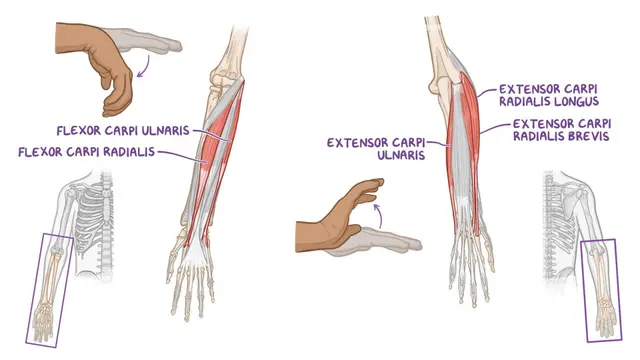
11:04
Joints of the wrist and hand
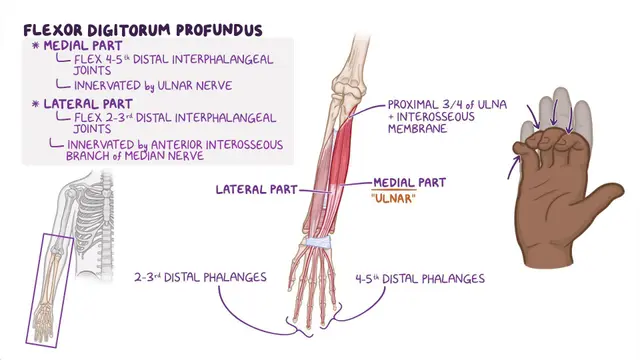
20:25
Muscles of the forearm
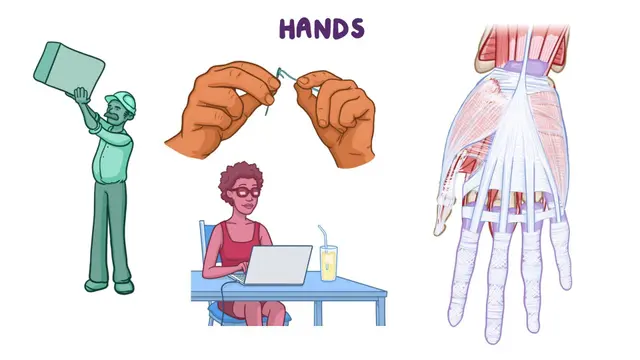
14:48
Muscles of the hand
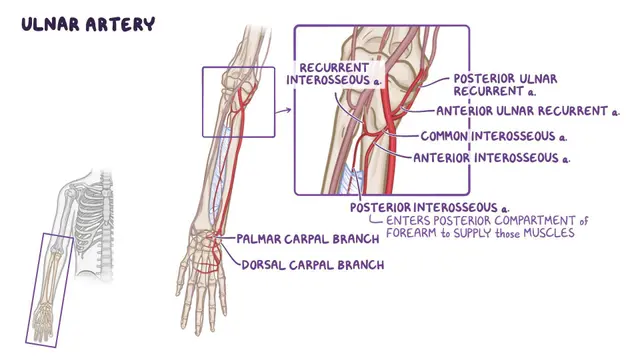
12:52
Vessels and nerves of the forearm
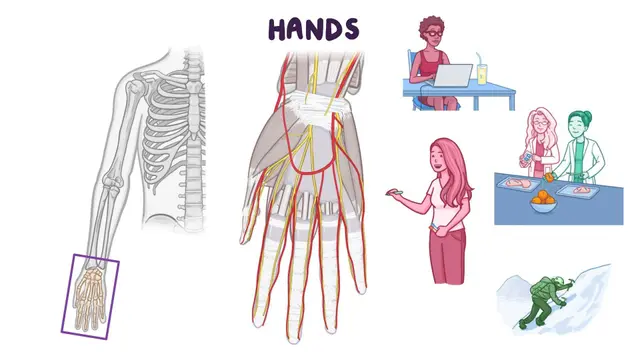
11:50
Vessels and nerves of the hand
Video Summary of Fascia, vessels and nerves of the upper limb
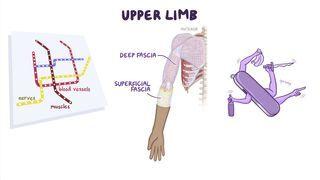
Fascia is a type of connective tissue that surrounds muscles, organs, and other structures in the body. It provides support and protection and helps to keep everything in its place. The upper limbs have superficial and deep fascia layers.
Superficial fascia is the closest layer to the skin, while deep fascia lies beneath it. The superficial fascia provides insulation, cushion and passageway of vessels and nerves and blood vessels, whereas the deep fascia envelopes and organizes muscles into compartments.