Osmosis video - Hemolytic-uremic syndrome
00:00 / 00:00
More Videos
06:26
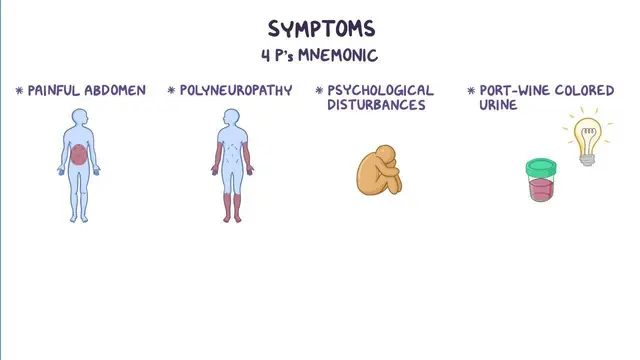
Acute intermittent porphyria
11:39
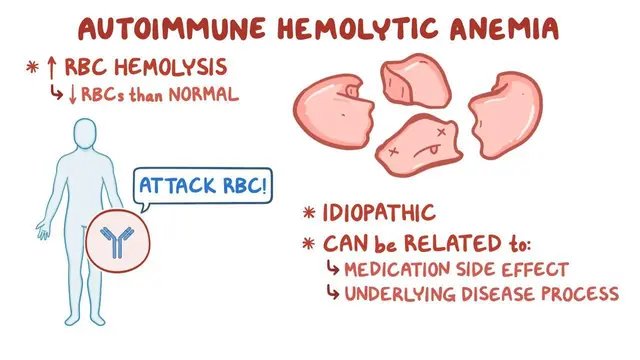
Autoimmune hemolytic anemia

09:08
Glucose-6-phosphate dehydrogenase (G6PD) deficiency
08:51
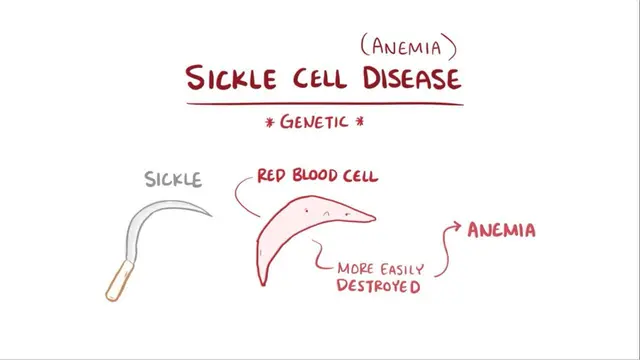
Sickle cell disease (NORD)

10:36
Folate (Vitamin B9) deficiency
10:26
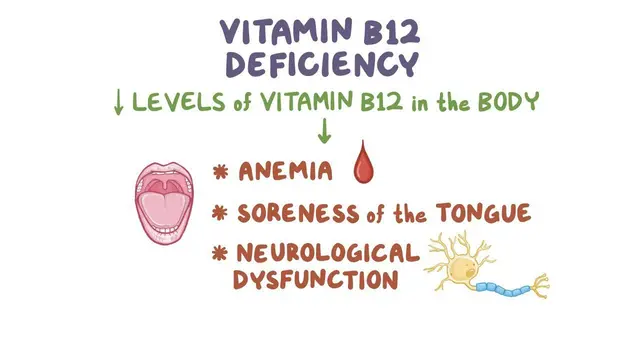
Vitamin B12 deficiency
07:18
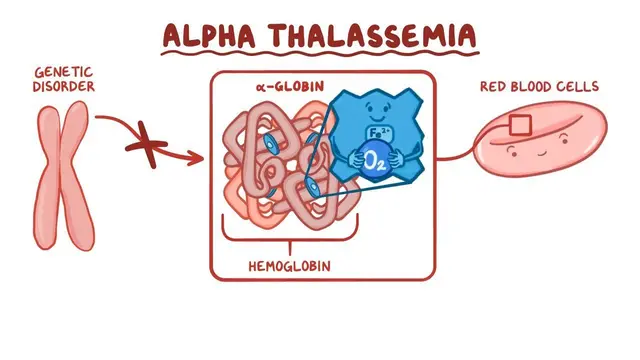
Alpha-thalassemia
06:39
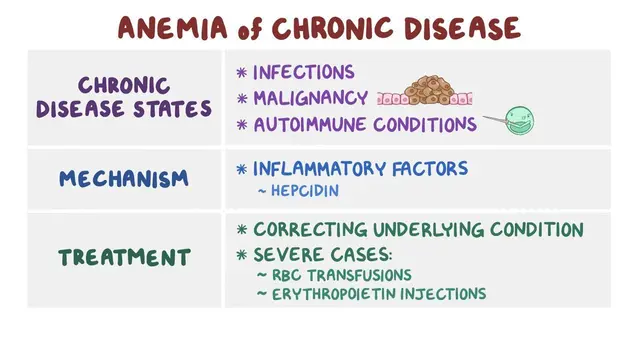
Anemia of chronic disease
07:17
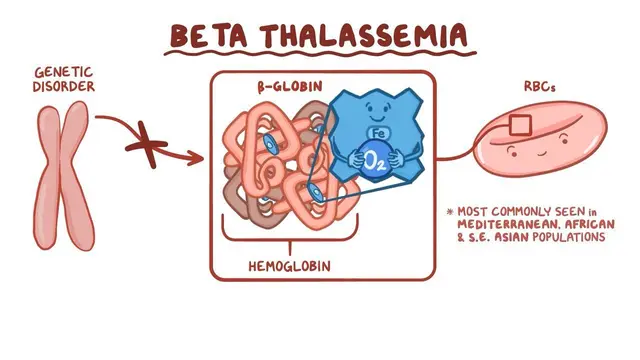
Beta-thalassemia
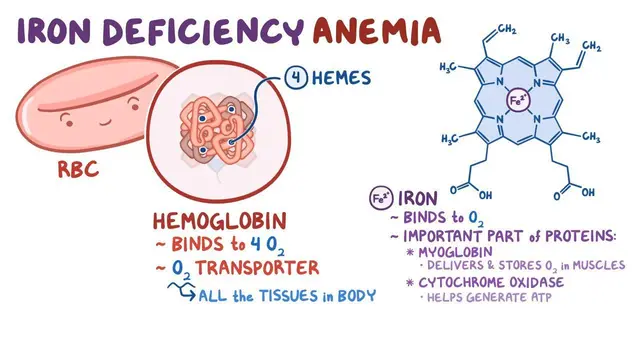
09:30
Iron deficiency anemia
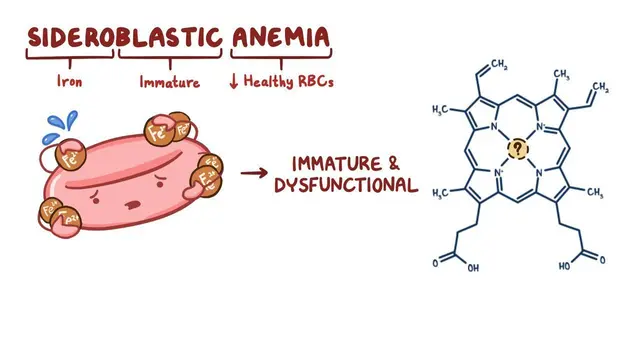
06:52
Sideroblastic anemia
06:39
Anemia of chronic disease
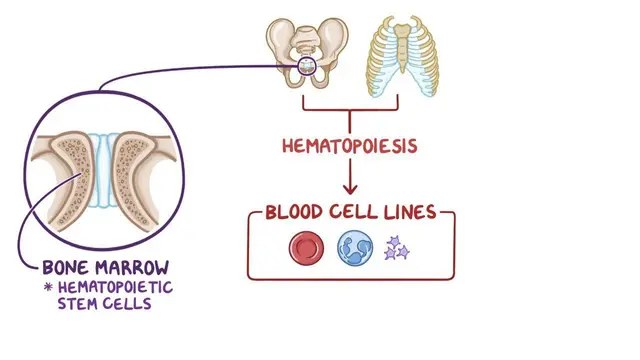
06:36
Aplastic anemia
06:36
Aplastic anemia
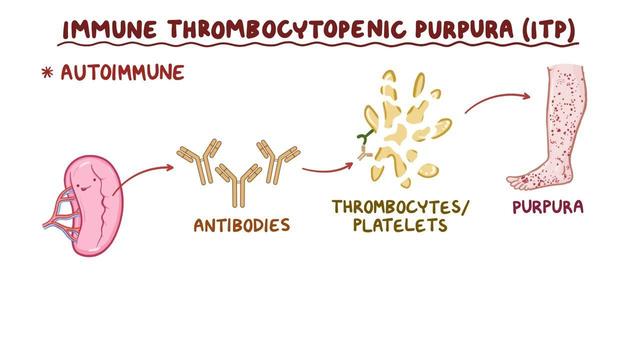
04:44
Immune thrombocytopenia
05:07
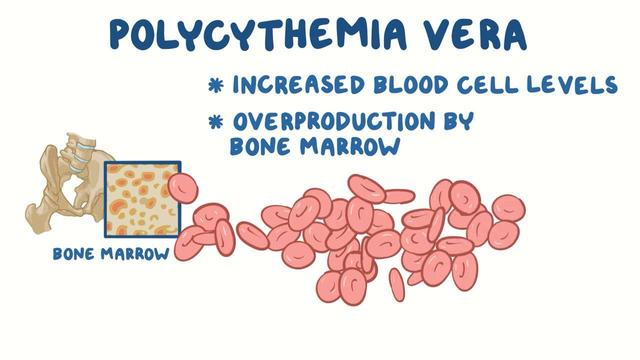
Polycythemia vera (NORD)
Video Summary of Hemolytic-uremic syndrome
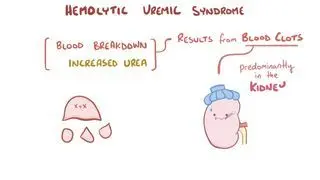
Hemolytic-uremic syndrome (HUS) is a serious condition that's characterized by microangiopathic hemolytic anemia, thrombocytopenia, and renal failure. It is usually caused by E. coli O157:H7 infection and presents with fever, jaundice, stomach cramps, vomiting, and diarrhea. A person with HUS may also have a rash, red or purple dots on the skin, and tiredness.