Osmosis video - Potassium homeostasis
00:00 / 00:00
More Videos
09:37
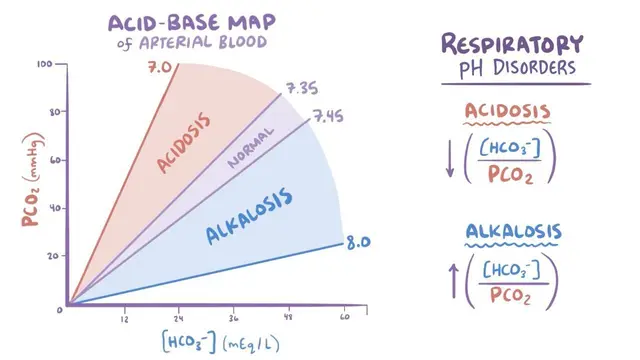
Acid-base map and compensatory mechanisms
08:02
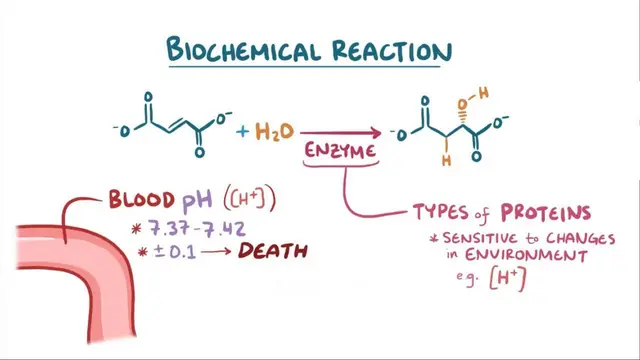
Buffering and Henderson-Hasselbalch equation
10:31
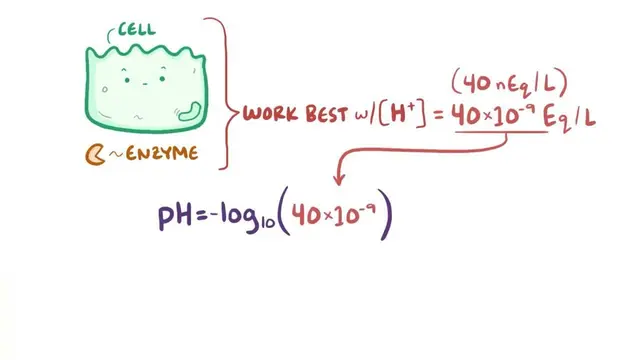
Physiologic pH and buffers
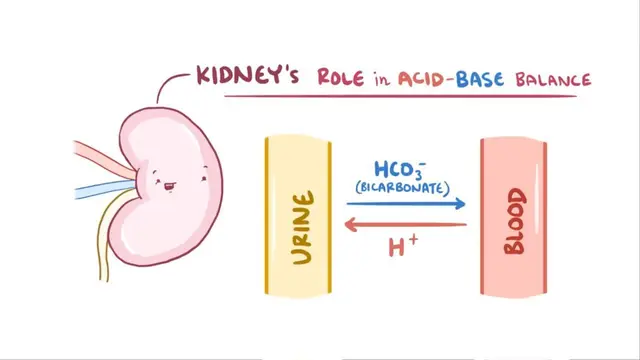
05:52
The role of the kidney in acid-base balance
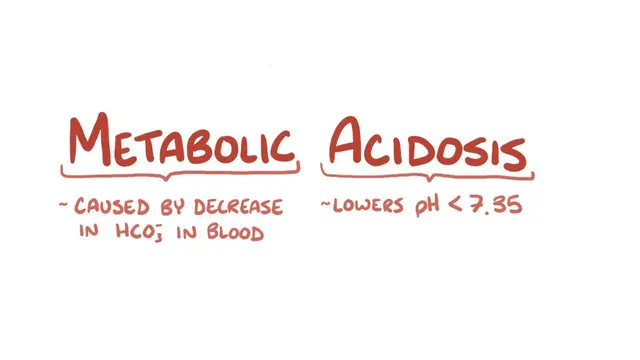
08:33
Metabolic acidosis
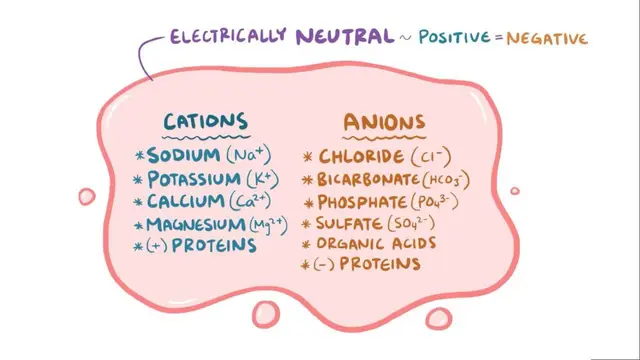
10:01
Plasma anion gap
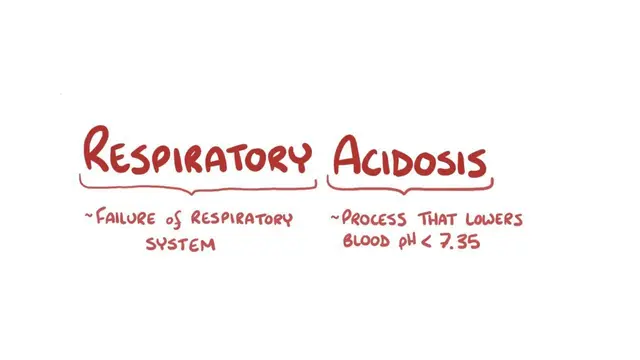
07:12
Respiratory acidosis
06:40
Metabolic alkalosis
06:29
Respiratory alkalosis
Video Summary of Potassium homeostasis
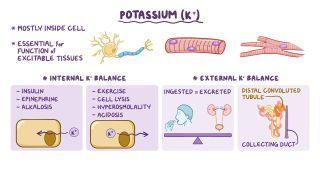
Potassium homeostasis is the body's ability to maintain a constant balance of potassium in the body. Potassium is a cation mostly located inside the cell and is essential for maintaining the function of excitable tissues. The kidneys play a fundamental role, being responsible for the external potassium balance, particularly the cells of the distal convoluted tubule and collecting duct, which are considered the fine-tuning components of potassium reabsorption and secretion. Kidneys remove excess potassium from the bloodstream and excrete it in the urine.