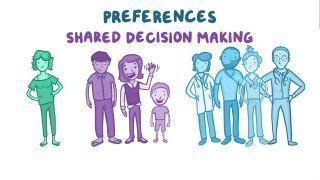
Osmosis video - Shared decision-making
00:00 / 00:00
More Videos

08:16
Abdominal quadrants, regions and planes
15:02
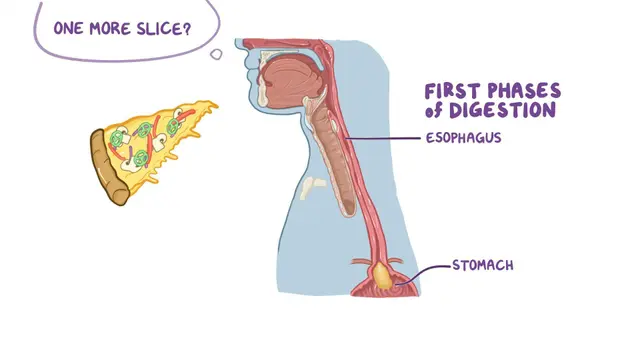
Anatomy of the abdominal viscera: Esophagus and stomach

11:05
Anatomy of the abdominal viscera: Innervation of the abdominal viscera
13:01
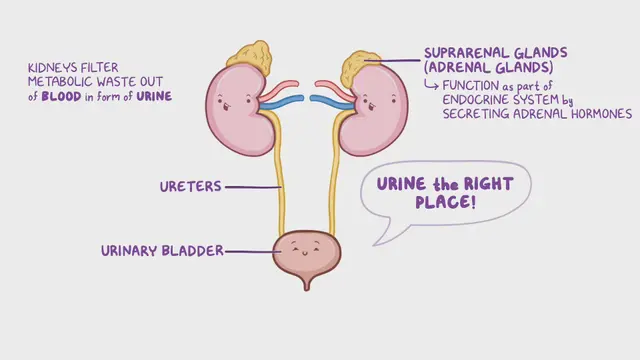
Anatomy of the abdominal viscera: Kidneys, ureters and suprarenal glands
14:39
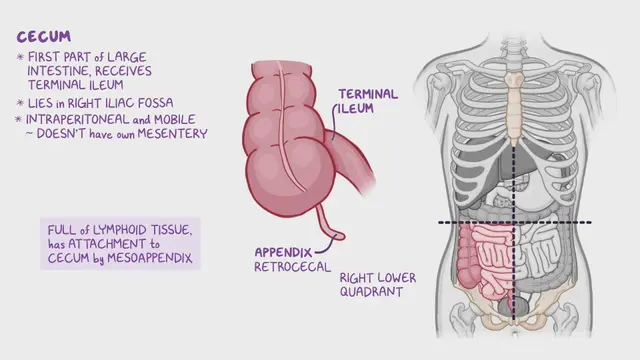
Anatomy of the abdominal viscera: Large intestine
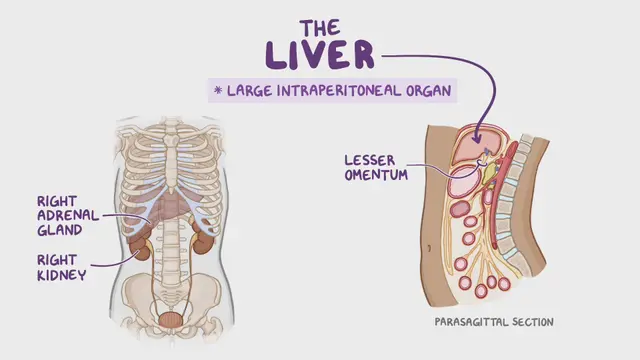
13:09
Anatomy of the abdominal viscera: Liver, biliary ducts and gallbladder
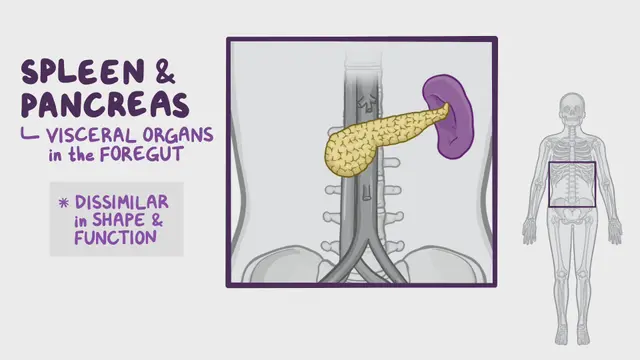
09:34
Anatomy of the abdominal viscera: Pancreas and spleen
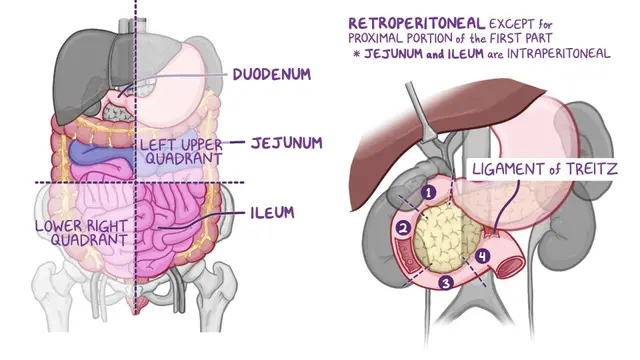
13:41
Anatomy of the abdominal viscera: Small intestine
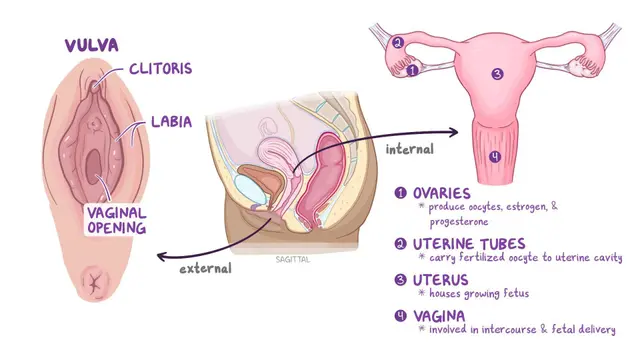
17:51
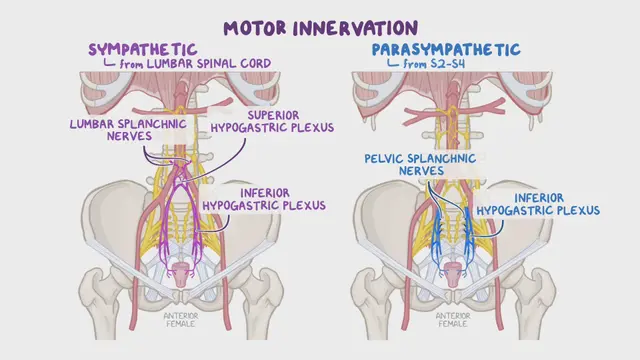
Anatomy of the female reproductive organs of the pelvis
16:54
Anatomy of the gastrointestinal organs of the pelvis and perineum
10:53
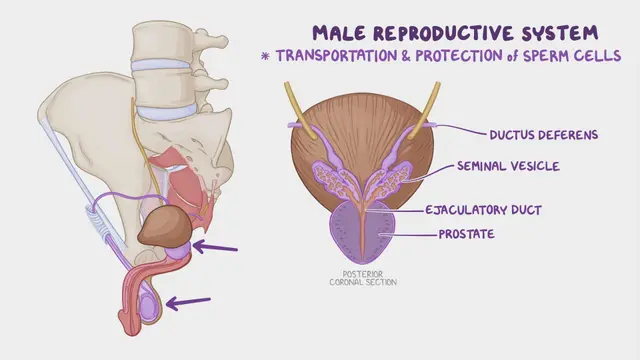
Anatomy of the male reproductive organs of the pelvis

13:18
Anatomy of the peritoneum and peritoneal cavity
25:16
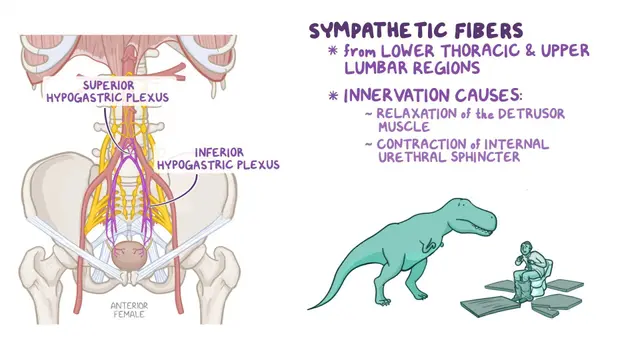
Anatomy of the urinary organs of the pelvis
12:09
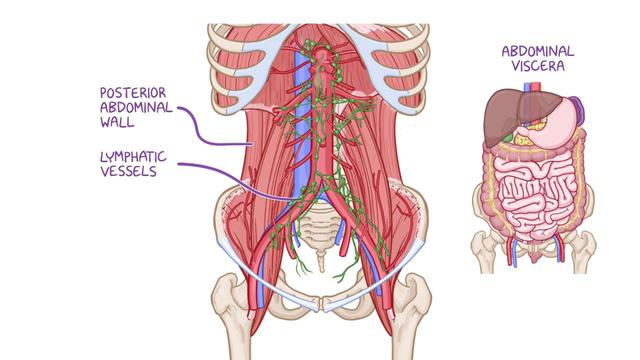
Anatomy of the vessels of the posterior abdominal wall
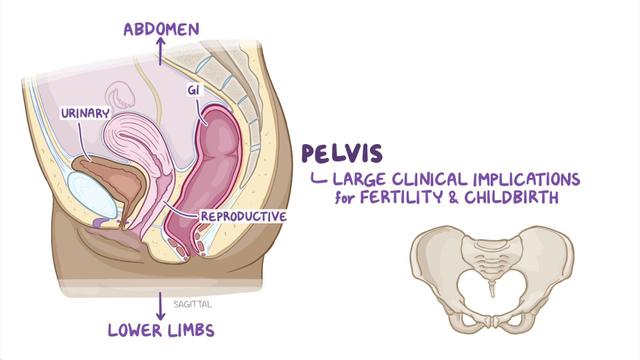
21:20
Anatomy clinical correlates: Female pelvis and perineum
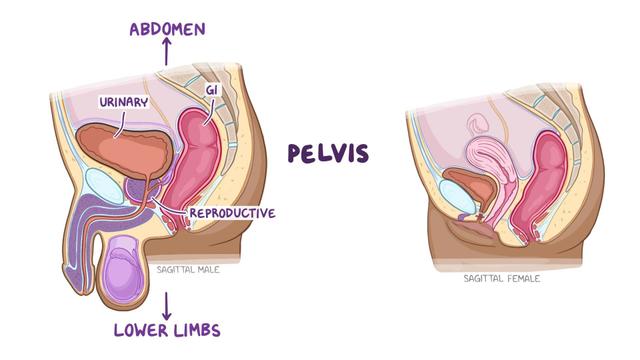
22:39
Anatomy clinical correlates: Male pelvis and perineum
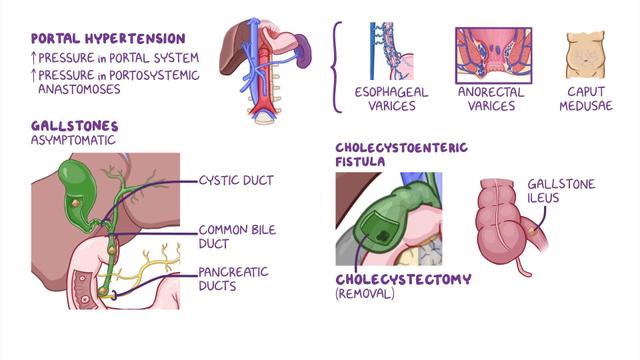
21:27
Anatomy clinical correlates: Other abdominal organs
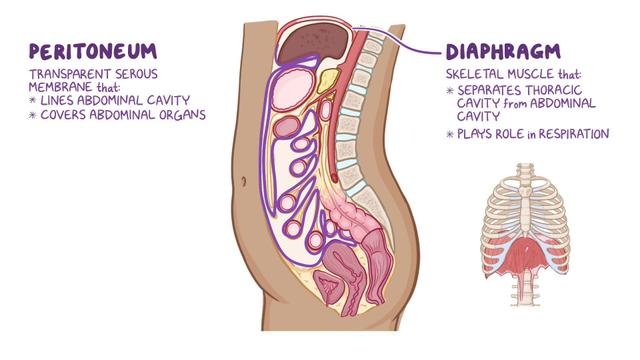
21:19
Anatomy clinical correlates: Peritoneum and diaphragm
14:37
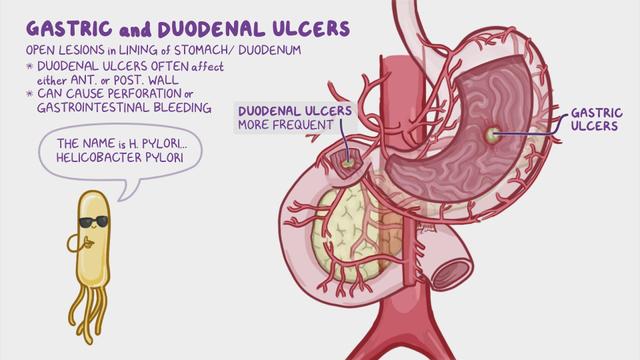
Anatomy clinical correlates: Viscera of the gastrointestinal tract
11:13
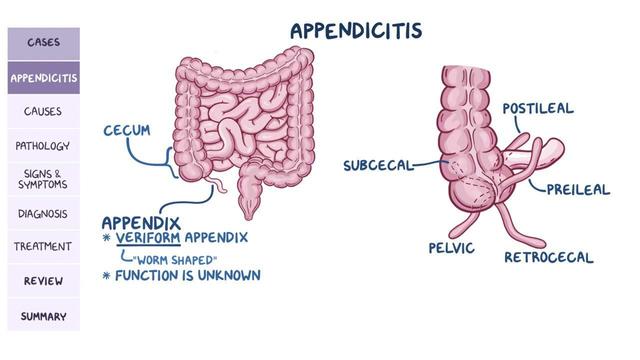
Appendicitis: Pathology review
18:13
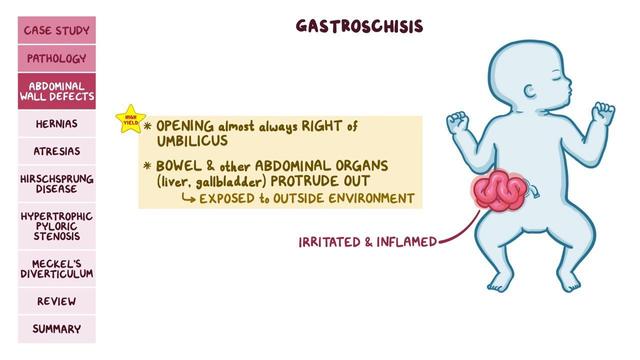
Congenital gastrointestinal disorders: Pathology review
09:24
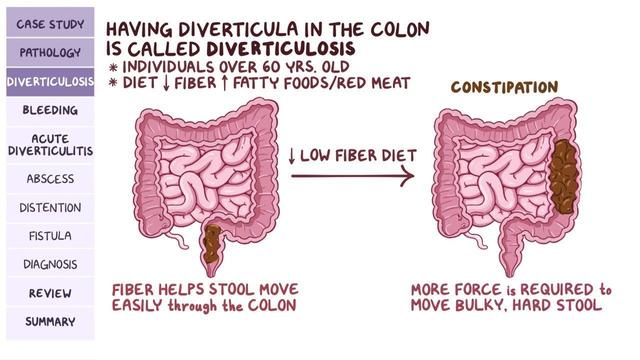
Diverticular disease: Pathology review
20:59
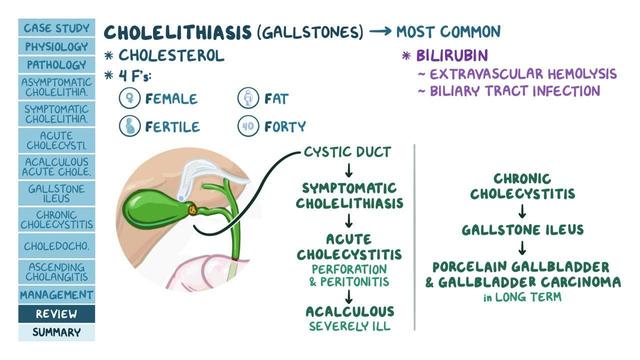
Gallbladder disorders: Pathology review
31:18
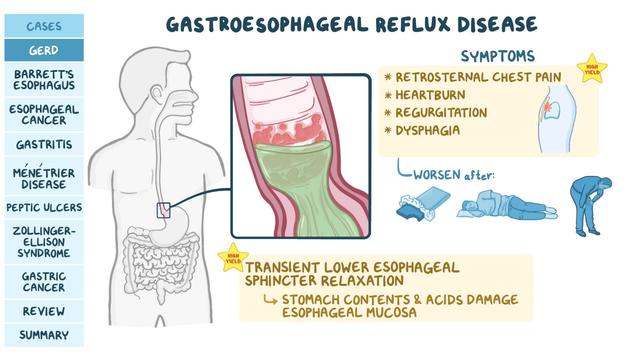
GERD, peptic ulcers, gastritis, and stomach cancer: Pathology review
14:34
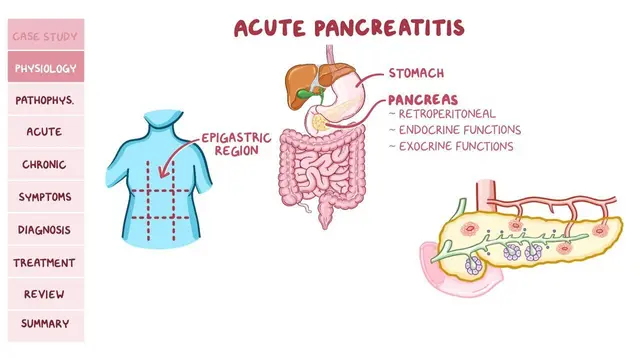
Pancreatitis: Pathology review
08:58
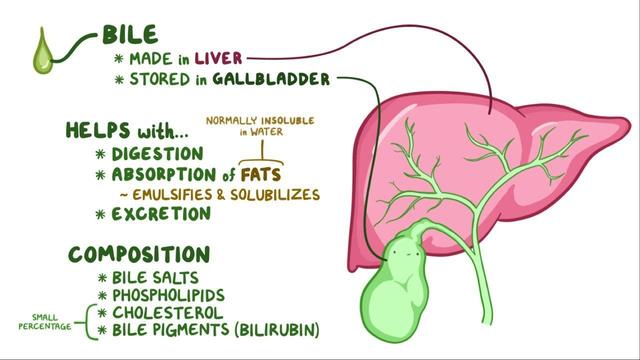
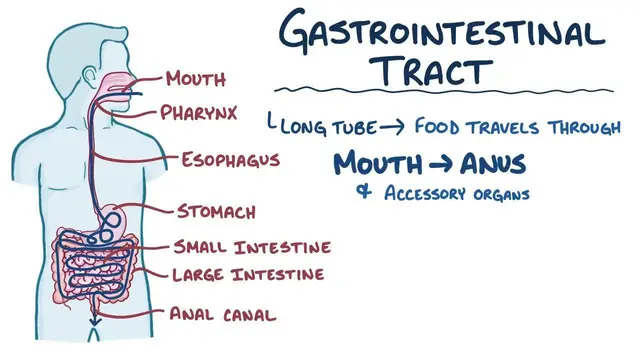
Bile secretion and enterohepatic circulation
12:00
Gastrointestinal system anatomy and physiology

07:21
Liver anatomy and physiology
08:29
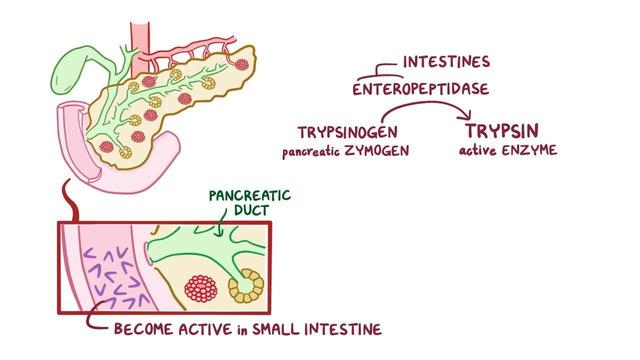
Pancreatic secretion
Video Summary of Shared decision-making
Shared decision-making is a collaborative process in which healthcare providers, patients, and their families, work together to make decisions about a patient's care. The goal is to provide the concerned parties with the information they need to make informed choices, and empower them to play an active role in their own healthcare.