
Ascites

What Is It, Causes, Appearance, Treatment, and More

Author: Ashley Mauldin, MSN, APRN, FNP-BC
Editor: Antonella Melani, MD
Editor: Ahaana Singh
Editor: Lisa Miklush, PhD, RN, CNS
Editor: Kelsey LaFayette, DNP, ARNP, FNP-C
Illustrator: Jillian Dunbar
Modified: Sep 30, 2025

What is ascites?

Ascites refers to the abnormal build-up of fluid in the abdominal cavity or peritoneum, which is the lining of the abdomen and abdominal organs.  

The fluid is generally serous, meaning that it’s a watery, protein-poor fluid that is normally present in the body to help reduce friction between organs. However, in the case of ascites, the amount of fluid is excessive.  

An infographic detailing ascites.

What causes ascites?

Ascites is caused by a combination of changes in blood flow and liver function. These changes include high pressure in the small blood vessels of the liver, called sinusoids; low levels of a protein called albumin in the blood (i.e., hypoalbuminemia); increased fluid production by the liver; and widened blood vessels in the abdomen that alter normal circulation. 

Cirrhosis 
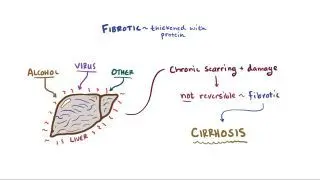
The most common cause of ascites is cirrhosis, a late stage of liver disease marked by permanent scarring and fibrosis that alters the structure and function of the liver. Many conditions can lead to cirrhosis, however some of the most common include chronic alcohol use, non-alcoholic fatty liver disease (NAFLD), and chronic hepatitis C. Other risk factors or causes of ascites include liver cancer, heart failure, pancreatitis, and peritoneal tuberculosis. 
 
Normally, the liver receives blood from the spleen and gastrointestinal organs via the portal vein. When fibrosis becomes extensive, it’s more difficult for blood to flow through the liver. As a consequence, the blood coming from the portal vein may start to back up, leading to portal hypertension. Portal hypertension refers to increased blood pressure in the portal vein. As a result, fluid may start to leak out of the portal vein and into the abdomen, leading to ascites.  

What are the signs and symptoms of ascites?

Ascites becomes clinically detectable when approximately 500 mL or more of fluid has accumulated in the abdominal cavity. The presentation varies based on severity. In mild cases, the abdomen may appear normal, and fluid may only be detected through imaging or physical exam maneuvers. In moderate to severe ascites, individuals may develop a distended abdomen, and the skin may appear stretched and shiny with a protruding or everted umbilicus as the pressure increases. 

As fluid accumulates, this pressure causes the abdomen to feel tense, full, and tight. The expanding fluid can compress nearby organs, leading to abdominal discomfort or pain, early satiety, nausea, and, in some cases, shortness of breath due to upward pressure on the diaphragm. This respiratory discomfort is often worse when lying flat, a condition known as orthopnea. 

How is ascites diagnosed?

Ascites itself can be diagnosed clinically using a physical assessment. However, to determine the cause of ascites, additional testing is required, such as a liver ultrasound and diagnostic paracentesis. A paracentesis uses a large needle to remove fluid from the peritoneal cavity, which is then sent for testing.  

One important test is the serum-to-ascites albumin gradient (SAAG). A SAAG of 1.1 g/dL or higher usually means ascites is due to portal hypertension, most often from cirrhosis. Additional blood work is needed in order to perform this calculation, such as serum albumin. The fluid may also be checked for cells such as mesothelial cells and white blood cells. A few mesothelial cells and white blood cells are normal, but a high number of neutrophils suggests an infection like spontaneous bacterial peritonitis (SBP), which can be life-threatening. 

What complications are associated with ascites?

Ascites can lead to serious, life-threatening complications. One of the most critical is SBP, which is an infection of the ascitic fluid. If not recognized and treated quickly, the infection can spread to the bloodstream, causing bacteremia and potentially sepsis, a dangerous condition where the immune system overreacts and begins damaging the body’s own organs. This can lead to organ failure and death, if not managed promptly. 

Other complications, especially in the setting of portal hypertension, include hepatorenal syndrome, malnutrition, pleural effusion, and severe gastrointestinal bleeding. 

How is ascites treated?

There are two main types of ascites: uncomplicated and refractory. 

Uncomplicated 
Uncomplicated ascites is the most common type and typically responds well to standard treatment.  

To treat uncomplicated ascites, the choice of treatment depends on its severity and the underlying cause. In mild cases, salt intake should be restricted to 2,000 mg (2 grams) per day or less. Diuretic medications, such as spironolactone and furosemide, are commonly prescribed to help remove excess fluid. In some cases, weekly albumin infusions may be beneficial, particularly in patients with frequent hospitalizations or low serum albumin levels. If the cause is related to liver disease, it’s recommended to avoid non-steroidal anti-inflammatories (NSAIDs), alcohol, and limit acetaminophen use. 

For more severe ascites, therapeutic paracentesis may be necessary. This procedure involves removing large amounts of fluid from the abdominal cavity using a needle and can provide immediate symptom relief. Because ascites can recur, some individuals may require repeated paracenteses over time. 

Refractory 
Refractory ascites, on the other hand, is more difficult to manage. It doesn’t respond to diuretics or sodium restriction and is associated with a higher risk of complications and mortality, often linked to kidney dysfunction 

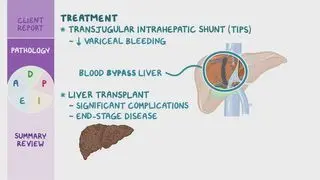
In refractory ascites, a transjugular intrahepatic portosystemic shunt (TIPS) may be considered. TIPS is a procedure that creates a channel between the portal vein and hepatic vein, reducing portal hypertension and thereby decreasing fluid build-up. In advanced cases where other treatments are no longer effective, a liver transplant may be a definitive solution 

What are the most important facts to know about ascites?

Ascites is the abnormal accumulation of fluid in the abdominal cavity, most commonly caused by cirrhosis and portal hypertension. It can lead to a visibly distended abdomen, abdominal discomfort, early satiety, and shortness of breath. Serious complications include spontaneous bacterial peritonitis, hepatorenal syndrome, malnutrition, pleural effusion, and severe gastrointestinal bleeding. Treatment typically involves sodium restriction and diuretic medications. More severe cases may require therapeutic paracentesis, a transjugular intrahepatic portosystemic shunt (TIPS), or liver transplantation in advanced disease. 

Key Takeaways

Definition 

Ascites refers to the abnormal build-up of excessive fluid in the abdominal cavity or peritoneum. 

Causes 

- Changes in blood flow and river function:  

- High pressure in liver sinusoids  

- Hypoalbuminemia  

- Increased fluid production by liver  

- Dilated abdominal blood vessels 

- Cirrhosis is the most common underlying disease  

- Permanent liver fibrosis → altered function and portal hypertension → fluid leak out of portal vein, into the abdomen 

Signs and Symptoms 

- Clinically detectable when ≥500ml of fluid accumulate 

- Distended abdomen with stretched and shiny skin, protruding umbilicus 

- Abdominal discomfort or pain  

- Early satiety  

- Nausea  

- Shortness of breath, orthopnea  

Diagnosis 

- Physical examination 

- Liver ultrasound 

- Diagnostic paracentesis  

- Including serum-to-ascites albumin gradient (SAAG)  

- Serum albumin  

Complications 

- Spontaneous bacterial peritonitis (SBP) → bacteremiasepsis multiorgan failure → death 

- Cirrhosis-related complications:  

     - Hepatorenal syndrome  

     - Malnutrition  

     - Pleural effusion  

     - Severe gastrointestinal bleeding  

Treatment 

- Uncomplicated ascites  

     - Mild:  

           - Salt intake restriction 

           - Diuretics 

           - Weekly albumin infusions 

           - Avoidance of alcohol, NSAIDs, and acetaminophen  

     - Severe: therapeutic paracentesis  

- Refractory ascites  

     - Transjugular intrahepatic portosystemic shunt (TIPS) 

     - Liver transplant  

References


Biggins SW, Angeli P, Garcia-Tsao G, et al. Diagnosis, evaluation, and management of ascites, spontaneous bacterial peritonitis, and hepatorenal syndrome: 2021 practice guidance by the American Association for the Study of Liver Diseases. Hepatology. 2021;74(2):1014–1048. doi:10.1002/hep.31884  


Bittencourt PL, Farias AQ, Terra C. Renal failure in cirrhosis: Emerging concepts. World J Hepatol. 2015;7(21):2336–2343. doi:10.4254/wjh.v7.i21.2336 


Chalasani N, Vuppalanchi R. Ascites: A common problem in people with cirrhosis. American College of Gastroenterology. https://gi.org/topics/ascites/. Accessed June 14, 2025.   


Gill RM, Kakar S. Liver and gallbladder. In: Aster JC, ed. Robbins and Cotran Pathologic Basis of Disease. 11th ed. Elsevier; 2026:748–799. 


Marciano S, Díaz JM, Dirchwolf M, Gadano A. Spontaneous bacterial peritonitis in patients with cirrhosis: incidence, outcomes, and treatment strategies. Hepatic Med Evid Res. 2019;11:13–22. doi:10.2147/HMER.S164250 


Runyon BA. Ascites. In: Feldman M, Friedman LS, Brandt LJ, eds. Sleisenger and Fordtran's Gastrointestinal and Liver Disease. 10th ed. Elsevier; 2016. https://www.clinicalkey.com/student/content/book/3-s2.0-B9780323531139000182. Accessed June 14, 2025. 


Zhao R, Lu J, Shi Y, et al. Current management of refractory ascites in patients with cirrhosis. J Int Med Res. 2017;46(3):1138–1145. doi:10.1177/0300060517735231