

Carcinomatosis · What Is It, Types, Diagnosis, and More

Published: Dec 29, 2025
Author: Lily Guo, MD
Editor: Alyssa Haag, MD
Editor: Emily Miao, PharmD, MD
Editor: Kelsey LaFayette, DNP, ARNP, FNP-C
Illustrator: Abbey Richard, MSc
7-day free trial

Go deeper with Osmosis

Osmosis is a learning platform with videos, questions, and AI tools to help you master topics like this.

4.8 · 12,000+ reviews
Watch quick, visual videos
Practice with Qbank-style questions
Use AI to explain, quiz, and review
Study anytime with the mobile app
Start free trial

No credit card · Cancel anytime

What is carcinomatosis?

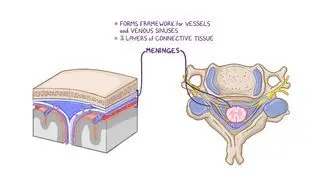
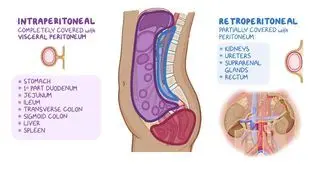
Carcinomatosis is a rare medical condition characterized by the widespread metastasis of a malignancy that initially originated in one part of the body. There are various forms of carcinomatosis, including peritoneal carcinomatosis (PC), leptomeningeal carcinomatosis (LC), and pulmonary lymphangitic carcinomatosis (PLC). PC arises when gastrointestinal and gynecological malignancies disseminate and develop within the peritoneal cavity (i.e., the membrane lining the abdominal cavity and wall of the pelvis). LC involves the spread of cancer to the leptomeninges (i.e., the arachnoid and pia mater) covering the brain and spinal cord. Lastly, PLC refers to the cancer's dissemination to the lymphatic system within the lungs. 

Learn deeper with Osmosis

Master this topic faster with videos, questions, and AI.

Used by 8M+ healthcare learners.

Start free trial

No credit card · Cancel anytime

What causes carcinomatosis?

Carcinomatosis occurs when malignant cells from a primary tumor metastasize and spread to another part of the body. Peritoneal carcinomatosis can be caused by various malignancies, including pancreatic cancer, colon cancer, gallbladder cancer, appendiceal cancer, ovarian cancer (sometimes referred to as peritoneal carcinomatosis ovarian cancer), and rectal cancer. Leptomeningeal carcinomatosis is often associated with breast cancer, kidney cancer, colon cancer, lung cancer, and certain types of skin cancer. Pulmonary lymphangitic carcinomatosis typically originates from adenocarcinomas, with primary sources commonly being lung, breast, and gastric cancers. 

What are the signs and symptoms of carcinomatosis?

The signs and symptoms of carcinomatosis depend on the specific subtype present. Peritoneal carcinomatosis often presents with symptoms of bloating, distension, pain, nausea, indigestion, anorexia, weight loss, and constipation. Common signs of carcinomatosis include a palpable abdominal mass and ascites. Leptomeningeal carcinomatosis can present with diverse neurologic manifestations, including headaches, visual disruptions (e.g., diplopia, or double vision), hearing impairment, and seizures; as well as back pain, and mood changes (e.g., depression, anxiety).  

Spread of tumors in LC can disrupt and obstruct the flow of cerebrospinal fluid (CSF), giving rise to nausea, vomiting, drowsiness, and headaches that intensify with changes in position. Lastly, pulmonary lymphangitic carcinomatosis can present with respiratory symptoms such as shortness of breath, dry cough, and systemic symptoms including fatigue and weight loss.  

How is carcinomatosis diagnosed?

The diagnosis of peritoneal carcinomatosis typically involves imaging studies, most commonly a computed tomography (CT) scan. In some instances, an initial ultrasound may be performed, and magnetic resonance imaging (MRI) can also play a role in diagnosis. Additionally, positron emission tomography-computed tomography (PET-CT) scans are utilized to detect smaller tumors or tumors in early stages that may not be visible through standard CT and MRI alone.  

 Invasive procedures for PC diagnosis include abdominal percutaneous paracentesis, which is used for ascitic fluid analysis, assessment of tumor markers (e.g., CA19-9 and carcinoembryonic antigen [CEA]), and cytology to examine the cancer cells. Additionally, diagnostic laparoscopy can allow for direct visualization of the peritoneal cavity, enabling biopsy of suspected lesions and accurate tumor staging. For LC, diagnostic evaluation includes lumbar puncture and CSF cytology to identify malignant cells, and neuro-imaging through high-quality MRI of the brain and spine to localize the lesions. PLC is diagnosed with CT imaging which can reveal peribronchovascular thickening, pulmonary nodules, and enlarged lymph nodes. Biopsies may be obtained to confirm the diagnosis through a transbronchial approach or an open lung biopsy approach. 

How is carcinomatosis treated?

The treatment approach for carcinomatosis varies depending on the specific type. Generally, systemic chemotherapy may be used to target primary tumors for various types of carcinomatosis. Treatment for peritoneal carcinomatosis can be challenging and may involve a combination of cytoreductive surgery (CRS) and hyperthermic intraperitoneal chemotherapy (HIPEC). This specific type of chemotherapy modality aims to increase the concentration of drugs in the localized area while limiting the amount of systemic dispersion, thereby reducing medication toxicities and adverse events. Systemic chemotherapy drugs (e.g., fluorouracil-leucovorin) can also be employed as part of the treatment strategy for PC.

Leptomeningeal carcinomatosis is often considered a late-stage complication with limited treatment optionsTherapeutic modalities may include radiation therapy targeted at symptomatic lesions identified through neuroimaging. Intrathecal chemotherapy drugs (e.g., methotrexate) may be utilized to reduce tumor cells in the CSF and leptomeningeal deposits to prevent further seeding. PLC management revolves around providing supportive care and addressing the underlying malignancy. Chemoradiation and surgical resection may be considered. There have been case reports of tyrosine kinase inhibitors (e.g., apatinib) and specific monoclonal antibodies (e.g., bevacizumab, cetuximab) used in treatment for PLC, though their efficacy remains largely unknown.  

What are the most important facts to know about carcinomatosis?

Carcinomatosis is a rare condition characterized by cancer that has spread from one part of the body. There are different forms of carcinomatosis, including peritoneal carcinomatosis (PC), leptomeningeal carcinomatosis (LC), and pulmonary lymphangitic carcinomatosis (PLC). The cause of carcinomatosis varies depending on the specific subtype, with different primary malignancies associated with each. PC may present with abdominal discomfort, distension, and pain, while LC may manifest with various neurological symptoms. PLC is often associated with respiratory symptoms. Diagnosis involves various techniques, including imaging, such as CT scans, ultrasounds, and MRIs. Invasive procedures like biopsies and cytology tests may be necessary for diagnosis confirmation. Treatment approaches are tailored to the type of cancer. PC treatment may include cytoreductive surgery to remove the tumors and intraperitoneal hyperthermic chemotherapy. LC treatment may involve radiation therapy and intrathecal chemotherapy, and PLC management focuses on supportive care. In some cases of carcinomatosis, targeted therapies like tyrosine kinase inhibitors and monoclonal antibodies may be considered. 

Key Takeaways

Definition 

Carcinomatosis is a rare medical condition characterized by the widespread metastasis of a malignancy that initially originated in one part of the body

Types of Carcinomatosis 

- Peritoneal carcinomatosis (PC)  

     - Dissemination of gastrointestinal and gynecologic malignancies within peritoneal cavity  

- Leptomeningeal carcinomatosis (LC)  

     - Dissemination to leptomeninges (arachnoid and pia mater) of brain and spinal cord 

- Pulmonary lymphangitic carcinomatosis (PLC)  

     - Dissemination to lymphatic system within lungs system within lungs  

Causes  

- Metastasis of malignant cells from primary tumor  

- PC includes: pancreatic cancer, colon cancer, gallbladder cancer, appendiceal cancer, ovarian cancer, rectal cancer 

- LC includes: breast cancer, kidney cancer, colon cancer, lung cancer, skin cancer  

- PLC: adenocarcinoma from lung, breast, gastric cancers  

Signs and Symptoms 

- PC:  

     - Bloating  

     - Distension 

     - Pain  

     - Nausea 

     - Indigestion 

     - Anorexia 

     - Weight loss  

     - Constipation  

     - Palpable abdominal mass 

     - Ascites 

- LC:  

     - Headaches (can intensify with changes in position) 

     - Visual disruptions  

     - Hearing impairment  

     - Seizures  

     - Back pain  

     - Mood changes  

     - Nausea  

     - Vomiting  

     - Drowsiness  

- PLC:  

     - Shortness of breath  

     - Dry cough  

     - Fatigue  

     - Weight loss 

Diagnosis  

- Imaging studies (CT scan, ultrasound, MRI, PET-CT) 

- PC:  

     - Abdominal percutaneous paracentesis (ascitic fluid analysis, tumor markers, cytology) 

     - Diagnostic laparoscopy (allows biopsy and tumor staging)  

- LC:  

     - Lumbar puncture  

     - Neuro-imaging  

- PLC:  

     - CT imaging  

     - Biopsy (transbronchial / open lung biopsy) 

Treatment  

- Systemic chemotherapy  

- PC:  

     - Cytoreductive surgery (CRS 

     - Hyperthermic intraperitoneal chemotherapy (HIPEC) 

- LC:  

     - Radiation therapy  

     - Intrathecal chemotherapy 

- PLC:  

     - Supportive care + address underlying malignancy  

     - Chemoradiation  

     - Surgical resection  

     - Tyrosine kinase inhibitors (unknown efficacy)  

Students say Osmosis is 100% worth it

Because Osmosis saves them time. Lowers stress. And actually helps them remember when it counts.

I used Osmosis to prepare for my first medical school licensing exam! Super helpful and interactive for people who may not do great with just pages of text info!

Cecilia Ruiz

Cecilia Ruiz

MD student

Sayan Misra

I have used Osmosis for about four years. Best thing I have ever used for my medical studies.

Sayan Misra

Sayan Misra

Med student

Osmosis videos are superior because they define simple concepts, tell a story with a clear progression, and provide context.

Jay Pate

Jay Pate

Dental student

References


Al-Bayati M, Al-Jobory O, Abu-Hassan F, Mohammed BU, Yaqoob S, Bazzaz O. Pulmonary lymphangitic carcinomatosis: An atypical presentation leading to discovery of multi-organ metastasis with unknown occult primary malignancy. Cureus. 2022 Aug 5;14(8):e27705. doi: 10.7759/cureus.27705. PMID: 36081969; PMCID: PMC9441181.  


Coccolini F, Gheza F, Lotti M, Virzì S, Iusco D, Ghermandi C, Melotti R, Baiocchi G, Giulini SM, Ansaloni L, Catena F. Peritoneal carcinomatosis. World J Gastroenterol. 2013 Nov 7;19(41):6979-94. doi: 10.3748/wjg.v19.i41.6979. PMID: 24222942; PMCID: PMC3819534. 


Klimek M. Pulmonary lymphangitis carcinomatosis: Systematic review and meta-analysis of case reports, 1970-2018. Postgrad Med. 2019 Jun;131(5):309-318. doi: 10.1080/00325481.2019.1595982. Epub 2019 Apr 5. PMID: 30900501. 


Nayar G, Ejikeme T, Chongsathidkiet P, Elsamadicy AA, Blackwell KL, Clarke JM, Lad SP, Fecci PE. Leptomeningeal disease: current diagnostic and therapeutic strategies. Oncotarget. 2017 Aug 16;8(42):73312-73328. doi: 10.18632/oncotarget.20272. PMID: 29069871; PMCID: PMC5641214.