
Catalepsy · What Is It, Causes, Signs, Symptoms, and More

Published: Feb 04, 2025
Author: Georgina Tiarks
Editor: Alyssa Haag
Editor: Emily Miao, PharmD
Editor: Kelsey LaFayette, DNP, RN
Illustrator: Abbey Richard
Copyeditor: Sadia Zaman, MBBS, BSc
7-day free trial

Go deeper with Osmosis

Osmosis is a learning platform with videos, questions, and AI tools to help you master topics like this.

4.8 · 12,000+ reviews
Watch quick, visual videos
Practice with Qbank-style questions
Use AI to explain, quiz, and review
Study anytime with the mobile app
Start free trial

No credit card · Cancel anytime

What is catalepsy?

Catalepsy is a neurological finding of prolonged muscular rigidity and immobility, where the individual’s limbs remain in an unnatural, fixed posture. The condition results in decreased response to external stimuli and reduced sensitivity to pain.

Learn deeper with Osmosis

Master this topic faster with videos, questions, and AI.

Used by 8M+ healthcare learners.

Start free trial

No credit card · Cancel anytime

What is the difference between catatonia and catalepsy?

Catatonia and catalepsy have differing presentations. Catatonia describes an array of psychomotor disturbances depicting abnormal behavior and movement. The fifth edition of the Diagnostic and Statistical Manual of Mental Disorders (DSM-5) states that one must show 3 out of 12 of the following symptoms: stupor (i.e., reduced responsiveness), catalepsy, waxy flexibility (i.e., resistance to repositioning), mutism (i.e., inability to speak), negativism (i.e., lack of response), posturing (i.e., maintaining a position of the body or body part against gravity for a long time), mannerisms (i.e., exaggerations of normal actions), stereotypies (i.e., repetitive movements), psychomotor agitation (i.e., activity without stimulation), grimacing (i.e., abnormal facial expressions), echolalia (i.e., repeating another’s speech) or echopraxia (i.e., repeating another’s movements). Catalepsy, however, specifically defines a rigid, immobile posture that does not move after being repositioned.

What causes catalepsy?

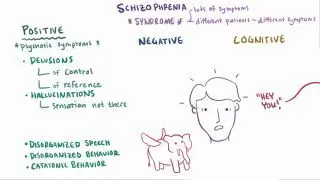
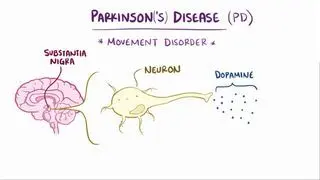
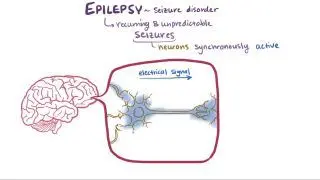
Catalepsy may be caused by an array of conditions. Catalepsy often accompanies catatonia, which is a psychomotor disturbance. Catatonic schizophrenia (i.e., a psychiatric disorder accompanied by abnormal movement), epilepsy, and Parkinson disease can be underlying causes of catalepsy. Drug toxicity with certain medications, such as haloperidol or chlorpromazine, may also present with catalepsy.

What are the signs and symptoms of catalepsy?

Catalepsy causes the musculoskeletal system to become stiff, immobile, and fixed. This may be seen when an individual postures a limb and it remains in the same position thereafter. Catalepsy also causes decreased sensitivity to pain and a lack of response to external stimulation.

How is catalepsy diagnosed?

A healthcare professional may acquire a full medical and social history as well as perform a physical exam in order to diagnose catalepsy. During the physical exam, the healthcare professional may posture the individual’s extremity and observe how long the extremity takes to relax into its original position. The healthcare professional may also order an electroencephalogram (EEG), which is used to measure the electrical activity of the brain, to rule out other neurological etiologies such as epilepsy.

How is catalepsy treated?

Treatment of catalepsy is primarily focused on treating the underlying cause. If the cause is due to medication toxicity, symptoms may wane once the medication has been ceased. Medications, such as benzodiazepines, tricyclic antidepressants, zolpidem, carbamazepine, and muscle relaxants may prove to be effective in reducing the symptoms of catalepsy. In addition, pharmacotherapy of Parkinson-induced catalepsy may include dopamine agonists (e.g., bromocriptine) and decarboxylase inhibitors (e.g., levodopa, carbidopa), among others. 

What are the most important facts to know about catalepsy?

Catalepsy is a medical term to describe muscular rigidity. It is characterized by an extremity remaining in the position that it was postured with a decrease in response to external stimuli and diminished pain sensitivity. Catalepsy is one of the 12 symptoms of catatonia. It may be caused by drug toxicity, schizophrenia, epilepsy, or Parkinson disease. It may be diagnosed through a physical exam and medical history from a healthcare professional. Finally, treatment is dependent on the underlying cause.
Students say Osmosis is 100% worth it

Because Osmosis saves them time. Lowers stress. And actually helps them remember when it counts.

I used Osmosis to prepare for my first medical school licensing exam! Super helpful and interactive for people who may not do great with just pages of text info!

Cecilia Ruiz

Cecilia Ruiz

MD student

Sayan Misra

I have used Osmosis for about four years. Best thing I have ever used for my medical studies.

Sayan Misra

Sayan Misra

Med student

Osmosis videos are superior because they define simple concepts, tell a story with a clear progression, and provide context.

Jay Pate

Jay Pate

Dental student

References


Brasic, J. R., & Farhadi, F. (2022). Catatonia: Practice Essentials, Background, Pathophysiology and Etiology. In Medscape. Retrieved April 3, 2022, from https://emedicine.medscape.com/article/1154851-overview


DeBattista, C. (2021). Antipsychotic Agents & Lithium. In B. G. Katzung & T. W. Vanderah (Eds.), Basic & Clinical Pharmacology (15th ed.). McGraw-Hill Education. 


Josephson, S. A., Ropper, A. H., & Hauser, S. L. (2022). Coma. In J. Loscalzo, A. Fauci, D. Kasper, S. Hauser, D. Longo, & J. L. Jameson (Eds.), Harrison’s Principles of Internal Medicine (21st ed.). McGraw-Hill Education. 


National Center for Biotechnology Information. (2022). Catalepsy. In U.S. National Library of Medicine. Retrieved April 3, 2022, from https://www.ncbi.nlm.nih.gov/mesh?Db=mesh&Cmd=DetailsSearch&Term=%22Catalepsy%22%5BMeSH+Terms%5D   


Rasmussen, S. A., Mazurek, M. F., & Rosebush, P. I. (2016). Catatonia: Our current understanding of its diagnosis, treatment and pathophysiology. World Journal of Psychiatry, 6(4): 391–398. DOI: 10.5498/wjp.v6.i4.391


UCL Institute of Mental Health. (2020). Diagnosis. In UCL Institute of Mental Health. Retrieved April 3, 2022, from https://www.ucl.ac.uk/mental-health/research/catatonia/diagnosis