Cryptic Pregnancy

What Is It, Causes, and More

Author: Lahav Constantini, MD
Editor: Alyssa Haag, MD
Editor: Józia McGowan, DO
Editor: Kelsey LaFayette, DNP, ARNP, FNP-C
Illustrator: Abbey Richard, MSc
Modified: Apr 13, 2026

What is cryptic pregnancy?

Cryptic pregnancy, also known as denied pregnancy, occurs when an individual is not subjectively aware of their pregnancy until late in the gestation period. In around 1 to 500 childbirths, the cryptic pregnancy is partial, meaning it’s discovered after 20 weeks of gestation, and in roughly 1 to 2500 cases it’s complete, or discovered during labor 

Cryptic pregnancies can be classified as psychotic or non-psychotic. Psychotic types are less common and linked to psychotic disorders and chronic psychiatric illnesses, such as schizophrenia and bipolar disorders. Non-psychotic types include affective denial, where the individual intellectually recognizes the pregnancy but does not acknowledge or cannot declare it; pervasive denial, where they remain unaware of the pregnancy; and persistent denial, where the pregnancy is discovered in the third trimester, but antenatal care is still not sought. Cryptic pregnancy can be accompanied by various denial behaviors. For example, individuals may be fully aware of the pregnancy and hide it from others; they may only suspect it; or be in absolute refusal to acknowledge the pregnancy.   

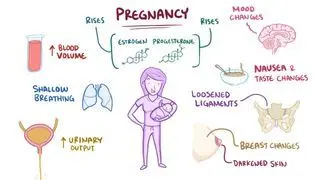
The pregnancies may be associated with a lack of the typical symptoms of pregnancy, such as weight gain, nausea and vomiting, and cessation of menstrual bleeding, making it more difficult to identify.   

Cryptic pregnancy presents several risks to both mother and fetus, as untreated conditions (e.g., diabetes), complications (e.g., pre-eclampsia), and unassisted birth are more likely when the individual doesn’t follow the steps typically taken for a healthy pregnancy and successful labor. These steps include obtaining prenatal care, maintaining proper nutrition, receiving emotional support, and preparing for childbirth. Additionally, without awareness of the pregnancy, individuals may continue harmful behaviors, such as smoking, alcohol consumption, or drug use-activities usually avoided in a planned and recognized pregnancy. Furthermore, the psychological impact of an unexpected birth can negatively affect maternal mental health, parent-child bonding, infant development, and, in rare cases, often related to dissociative episodes, may lead to newborn neglect and abandonment or even neonaticide.  
An infographic detailing cryptic pregnancy.

What causes cryptic pregnancy?

Females experiencing cryptic pregnancy are part of a heterogenous group and there is no single cause for cryptic pregnancy, however, certain risk factors and characteristics may be more common in those who experience it. Such characteristics include a younger age; use of contraception, namely oral contraceptives; single status or lack of partnership with the baby’s father at birth; fewer educational qualifications; earlier stages in a professional career; a personal or family history of cryptic pregnancies; significant trauma in childhood or at conception; or a history of psychiatric disorders, particularly depression. 

What are the signs and symptoms of cryptic pregnancy?

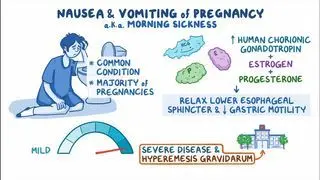
Signs and symptoms of cryptic pregnancy are generally similar to those of a typical pregnancy. However, many individuals experience no or fewer common symptoms, such as minimal changes in weight and breast size, continued menstrual-like bleeding, and reduced fetal movement. Others have irregular periods, making it common for them to go without bleeding for extended periods without it seeming unusual. Additionally, individuals may experience certain pregnancy symptoms, such as weight gain, morning sickness, or back pain, but may not recognize or attribute them to pregnancy for various reasons. Oftentimes, this is because pregnancy is unexpected, given a past diagnosis of infertility or polycystic ovary syndrome (PCOS), or simply because they are consistently using birth control. Individuals might suspect they are pregnant and perform a home pregnancy test, which could yield a negative result if it was not performed and interpreted according to the instructions.  

How is cryptic pregnancy diagnosed?

Cryptic pregnancy can be diagnosed when pregnancy is suspected based on medical history, symptom tracking, physical examination, ultrasound imaging, and blood or urine testsMedical professionals should maintain a low threshold for considering and testing for pregnancy in individuals of reproductive age who present with symptoms consistent with pregnancy. 

How is cryptic pregnancy treated?

Cryptic pregnancies are managed similarly to typical pregnancies or labors but often require additional steps to compensate for missed prenatal care. This includes completing essential tests, providing mental and psychological support, and conducting additional assessments to ensure the health of both mother and baby. Management is tailored to the stage of pregnancy at diagnosis, with late-stage cases or those identified during labor warranting immediate psychiatric evaluation due to the potential for co-existing psychiatric disorders or, in rare cases, neonaticide. A denial of pregnancy is a critical indicator for psychiatric assessment. Unfortunately, standardized guidelines for managing cryptic pregnancies and their long-term effects on mothers and children are lacking. The ideal treatment setting is a multidisciplinary approach that combines psychiatric and obstetric care, with appropriate postnatal care, support, and follow-up. 

What are the most important facts to know about cryptic pregnancy?

Cryptic pregnancy, also known as denied pregnancy, occurs when an individual is unaware of their pregnancy until late in gestation, either discovering it after 20 weeks or, in rarer cases, during labor. Individuals may exhibit various denial behaviors, and the condition is often accompanied by a lack of or fewer typical pregnancy symptoms, making identification difficult. This can lead to risks for both the mother and fetus, including untreated complications and harmful behaviors. Risk factors for cryptic pregnancy include younger age, contraception use, single status, low educational attainment, and a history of trauma or psychiatric disorders. Diagnosis typically involves medical history review, symptom tracking, physical examinations, and imaging tests. Treatment mirrors standard pregnancy management but requires additional steps for missed prenatal care, psychological support, and potential psychiatric evaluation, especially in late-stage cases. A multidisciplinary approach that combines psychiatric and obstetric care is ideal for managing cryptic pregnancies and ensuring proper postnatal support. 

Key Takeaways

Definition 

Cryptic pregnancy, also known as denied pregnancy, occurs when an individual is not subjectively aware of their pregnancy until late in the gestation period. 

Partial vs Complete  

 - Partial (1/500 childbirths) = discovered after 20 weeks of gestation  

 - Complete (1/2500) = discovered during labor  

Psychotic vs Non-psychotic 

 - Psychotic = linked to psychiatric disorders (e.g., schizophrenia) 

 - Non-psychotic  

 - Affective denial = pregnancy recognized but not acknowledged  

 - Pervasive denial = unaware of the pregnancy 

 - Persistent denial = pregnancy discovered in third trimester, but antenatal care not sought  

Risks for Mother and Fetus 

 - Untreated conditions (e.g., diabetes 

 - Complications (e.g., pre-eclampsia 

 - Unassisted birth  

 - Continuation of harmful behaviors  

 - Negative impact on maternal health, parent-child bonding, infant development 

 - Newborn neglect, abandonment, infanticide 

Risk Factors  

 - Young age  

 - Use of oral contraceptives  

 - Single status/lack pf partnership with the baby’s father at birth  

 - Fewer educational qualifications  

 - Earlier stages in professional career  

 - Personal or family history of cryptic pregnancies 

 - Significant trauma in childhood or at conception 

 - History of psychiatric disorders  

Signs and Symptoms 

 - Many have no or fewer pregnancy symptoms (minimal change in weight and breast size; reduced fetal movement) 

 - Irregular periods or continued menstrual-like bleeding  

 - Weight gain, morning sickness, back pain not attributed to pregnancy  

 - Home pregnancy tests might be negative if not interpreted according to instructions  

Diagnosis 

 - Medical history  

 - Physical examination  

 - Ultrasound imaging  

 - Blood or urine tests  

 - Low threshold for pregnancy testing in individuals of reproductive age  

Treatment 

 - Multidisciplinary approach (psychiatric care, obstetric care, post-natal care)  

 - Similar management to typical pregnancies or labors  

 - Often require additional steps 

 - Completion of essential tests  

 - Mental and psychological support  

 - Psychiatric evaluation  

 - Lack of standardized guidelines  

References


Delong H, Eutrope J, Thierry A, et al. Pregnancy denial: A complex symptom with life context as a trigger? A prospective case-control study. BJOG. 2022;129(3):485-492. doi:10.1111/1471-0528.16853  


Duckitt K. Cryptic pregnancy. Case Rep Womens Health. 2023;38:e00503. Published 2023 Apr 2. doi:10.1016/j.crwh.2023.e00503 


Kenner WD, Nicolson SE. Psychosomatic disorders of gravida status: False and denied pregnancies. Psychosomatics. 2015;56(2):119-128. doi:10.1016/j.psym.2014.09.004 


Kettlewell D, Dujeu M, Nicolis H. What happens next? Current knowledge and clinical perspective of pregnancy denial and children's outcome. Psychiatr Danub. 2021;33(2):140-146. doi:10.24869/psyd.2021.140 


Jenkins A, Millar S, Robins J. Denial of pregnancy: A literature review and discussion of ethical and legal issues. J R Soc Med. 2011;104(7):286-291. doi:10.1258/jrsm.2011.100376