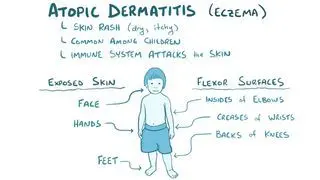
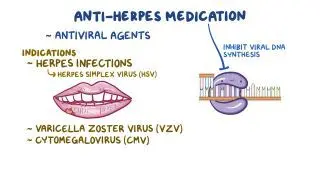
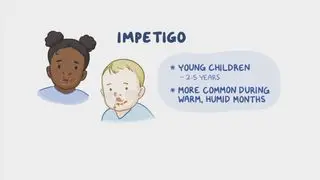
Eczema herpeticum is often diagnosed clinically based on the individual's history (e.g., of atopic dermatitis) and the characteristic appearance of the skin lesions. Diagnosis can be confirmed via viral swabs taken from the base of fresh vesicles, which are typically analyzed through viral culture or polymerase chain reaction (PCR). A Tzanck smear, a diagnostic method that can rapidly detect a herpes simplex infection, can also be used to confirm diagnosis of eczema herpeticum and rule out other potential diagnoses. Other viruses and bacteria can cause similar-appearing skin lesions, so careful examination and proper diagnostic testing of the individual is necessary to obtain an accurate diagnosis. In healthy adults eczema herpeticum is typically self-limited, lasting 2-4 weeks, and treatment can shorten the course. However, in children and young infants treatment should be initiated as soon as possible. Oral antiviral medication, such as acyclovir or valacyclovir, is often prescribed to minimize the risk of complications and prevent progression to severe disease.
Additional treatment will depend on the severity of the lesions. Most mild cases can be treated with oral antiviral medication for a range of 7-21 days. Cool compresses and lotions can be used for symptomatic relief of itching and pain. In more severe cases, specifically when the individual’s immune system is weakened due to another condition (e.g., HIV, prolonged diabetes, leukemia, undernutrition) or certain treatments (e.g., corticosteroids and other immunosuppressant medications, chemotherapy, radiation therapy), hospitalization should be considered for intravenous (IV) administration of antiviral medication and supportive care of other symptoms. Critically ill individuals may also need additional fluids, pain relievers, and wound care to assist with healing. Furthermore, individuals should be monitored for the development of secondary bacterial infection, and if infection occurs, they will most likely need treatment with systemic antibiotics.
To prevent spread of the infection, all individuals with eczema herpteticum should be educated about self-infection. Contact precautions, such as wearing gloves and frequently washing hands, are often recommended when herpes simplex infections are suspected.