
Lissencephaly

What Is It, Diagnosis, Treatment, and More

Author: Ashley Mauldin, MSN, APRN, FNP-BC, CNE
Editor: Alyssa Haag, MD
Editor: Ian Mannarino, MD, MBA
Editor: Kelsey LaFayette, DNP, ARNP, FNP-C
Illustrator: Abbey Richard, MSc
Copyeditor: David G. Walker
Modified: Apr 09, 2026

What is lissencephaly?

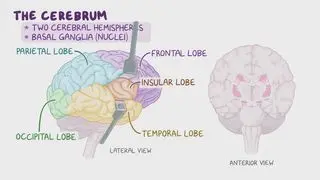
Lissencephaly, also known as “smooth brain,” is a group of rare brain conditions that are caused by the abnormal development of the brain gyri, which are the ridges or folds on the outer layer of the brain that increase the surface area of the cerebral cortex. The cerebral cortex is the part of the brain responsible for conscious thought; movement; sensation; and higher intellectual functions, such as learning, reasoning, and problem-solving. The brain gyri allow for more tight packing and organization of neurons and thus greater cognitive processing. With lissencephaly, there can be fewer gyri (i.e., pachygyria) or complete absence of gyri (i.e., agyria), which causes a “smooth” appearance of the brain surface in an affected individual.  

There are several different types of lissencephaly, and they all share similar clinical characteristics but differ in genetic components. Most cases of lissencephaly can be categorized as classic lissencephaly, also called type 1 lissencephaly, or type 2 lissencephaly, also known as cobblestone lissencephaly. Additionally, isolated lissencephaly is when lissencephaly occurs without an associated syndrome, like with other genetic conditions, such as Miller-Dieker syndrome or Walker-Walburg syndrome 

An infographic detailing lissencephaly.

What causes lissencephaly?

Lissencephaly can be caused by non-genetic and genetic factors. Most cases are caused by non-genetic factors, such as intrauterine infection like toxoplasmosis, inadequate oxygen supply during fetal development, or trauma during pregnancy.  

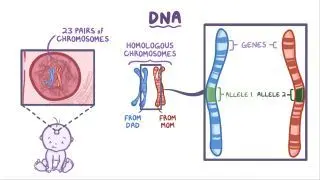
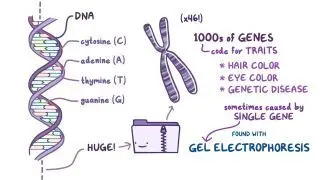
On the other hand, one of the most common genetic causes of lissencephaly is a mutation or deletion in the LIS1 gene. The LIS1 gene is an essential component in neuronal migration that occurs during fetal brain development, usually between 12 and 24 weeks of gestation. During normal fetal development, specialized nerve cells migrate to the surface of the brain and form various cellular layers known as gyri and sulci. With lissencephaly, these cells malfunction and don’t move to the brain’s surface, causing neuronal dysmigration. Lissencephaly, therefore, mainly affects infants. Lissencephaly can have a genetic cause inherited from a parent, or it can occur de novo, meaning the mutation occurs randomly and is not inherited.  

What are the signs and symptoms of lissencephaly?

The signs and symptoms of lissencephaly can vary among affected individuals and depend on the severity. In general, they can include seizures; difficulty feeding; intellectual disabilities; psychomotor impairment; developmental delays; muscle spasms; failure to thrive; and abnormalities in the hands, fingers, or toes. Some infants may also have microcephaly, or a smaller than average head size; micrognathia, or a small jaw; and indentations of the temples, or bitemporal hollowing.  

How is lissencephaly diagnosed?

Lissencephaly is diagnosed shortly after birth through a clinical assessment and diagnostic imaging, which can include a CT scan or MRI of the brain. Imaging will usually show a decrease or absence of the gyri on the cerebral surface. Genetic blood testing, like a chromosomal analysis, can be conducted to confirm the diagnosis if a genetic mutation is the cause. An electroencephalogram (EEG) can also be used diagnostically to evaluate those with lissencephaly that may exhibit unusual brain electrical impulses. 

Lissencephaly can also be diagnosed during pregnancy beginning with an ultrasound screening and confirmed with cell-free fetal DNA testing, amniocentesis, or chorionic villus sampling.   

How is lissencephaly treated?

Treatment of lissencephaly is aimed at supportive measures to help manage symptoms. For example, if an infant is experiencing issues feeding, a feeding tube, like a gastrostomy tube, may be inserted to provide nutrients. With seizures, anticonvulsants, like phenobarbital or vigabatrin, can be used to help prevent or reduce the number of seizures the infant is experiencing.  

Treatment of lissencephaly usually requires a multidisciplinary approach with a variety of healthcare providers, like pediatricians, genetic counselors, and neurologists, involved in the child’s care. Life expectancy with lissencephaly is short with most affected dying during early childhood due complications like severe respiratory disease 

What are the most important facts to know about lissencephaly?

Lissencephaly, also known as “smooth brain,” is a group of rare brain conditions that are caused by the abnormal development of the brain gyri. With lissencephaly, there can be fewer gyri (i.e., pachygyria) or complete absence of gyri, (i.e., agyria), which causes a “smooth” appearance of the brain surface of the affected infant. It can be caused by non-genetic causes, like intrauterine infection or inadequate oxygen during fetal development, and genetic causes, most commonly a mutation or deletion in the LIS1 gene, an essential component in neuronal migration that occurs during fetal brain development. Signs and symptoms of lissencephaly include seizures, difficulty feeding, intellectual disabilities, psychomotor impairment, developmental delays, muscle spasms, and failure to thrive. Lissencephaly is diagnosed shortly after birth through a clinical assessment and diagnostic imaging, which can include a CT scan or MRI of the brain. Genetic blood testing can be conducted to confirm the diagnosis in cases with a genetic cause. Treatment of lissencephaly is aimed at providing supportive measures to manage symptoms. 

Key Takeaways

Definition 

-A group of rare brain conditions characterized by abnormal development of the cerebral gyri, which may be reduced in number (pachygyria) or absent (agyria), resulting in a smooth brain surface. 

Cerebral cortex 

-Responsible for: conscious thought; movement; sensation; higher intellectual functions  

-Brain gyri: tighter packing and organization of neurons → greater cognitive processing  

Types of lissencephaly 

-Type 1 (classic) lissencephaly  

-Type 2 (cobblestone) lissencephaly  

-Isolated lissencephaly  

Causes 

-Non-genetic (most common)  

-Intrauterine infections (e.g., toxoplasmosis 

-Inadequate oxygen supply during fetal development  

-Trauma during pregnancy  

-Genetic (inherited or de novo 

-LIS1 gene mutation or deletion → neuronal dysmigration 

Signs and symptoms 

-Seizures  

-Difficulty feeding  

-Intellectual disabilities  

-Psychomotor impairment  

-Developmental delays  

-Muscle spasms  

-Failure to thrive  

-Hands, fingers, toes abnormalities  

-Microcephaly  

-Micrognathia  

-Indentations of temples  

Diagnosis 

-Clinical assessment  

-Imaging (CT scan, MRI)  

-Genetic testing  

-EEG  

-During pregnancy: ultrasound; cell-free fetal DNA testing; amniocentesis; chorionic villus sampling  

Treatment 

-Supportive measures, e.g.:  

-Gastrostomy tube  

-Anticonvulsants  

-Multidisciplinary approach  

-Short life expectancy  

References


Blazejewski SM, Bennison SA, Smith TH, Toyo-oka K. Neurodevelopmental genetic diseases associated with microdeletions and microduplications of chromosome 17p13.3. Frontiers in Genetics. 2018;9. doi:10.3389/fgene.2018.00080 


Deng F, Jiang X, Zhu D, et al. A functional model of cortical gyri and sulci. Brain Structure and Function. 2013;219(4):1473-1491. doi:10.1007/s00429-013-0581-z 


Herbst SM, Proepper CR, Geis T, et al. LIS1-associated classic lissencephaly: A retrospective, multicenter survey of the epileptogenic phenotype and response to antiepileptic drugs. Brain & Development. 2016;38(4):399-406. doi:10.1016/j.braindev.2015.10.001 


Lissencephaly. NORD (National Organization for Rare Disorders). Published 2018. https://rarediseases.org/rare-diseases/lissencephaly/ 


Mochida GH. Genetics and biology of microcephaly and lissencephaly. Seminars in Pediatric Neurology. 2009;16(3):120-126. doi:10.1016/j.spen 


Tan AP, Chong WK, Mankad K. Comprehensive genotype-phenotype correlation in lissencephaly. Quantitative Imaging in Medicine and Surgery. 2018;8(7):673-693. doi:10.21037/qims.2018.08.08