Micrognathia · What Is It, Diagnosis, Treatment, and More

Published: Apr 09, 2026
Author: Lily Guo, MD
Editor: Alyssa Haag, MD
Editor: Józia McGowan, DO;
Editor: Kelsey LaFayette, DNP, ARNP, FNP-C
Illustrator: Abbey Richard, MSc
7-day free trial

Go deeper with Osmosis

Osmosis is a learning platform with videos, questions, and AI tools to help you master topics like this.

4.8 · 12,000+ reviews
Watch quick, visual videos
Practice with Qbank-style questions
Use AI to explain, quiz, and review
Study anytime with the mobile app
Start free trial

No credit card · Cancel anytime

What is micrognathia?

Micrognathia, also called mandibular hypoplasia, refers to the structural anomaly of the jaw where the mandible (i.e., lower jawbone) is smaller than usual. It often causes the oral cavity to be disproportionately small for the tongue. Micrognathia occurs in approximately every 1 in 1500 births.  

Learn deeper with Osmosis

Master this topic faster with videos, questions, and AI.

Used by 8M+ healthcare learners.

Start free trial

No credit card · Cancel anytime

What causes micrognathia?

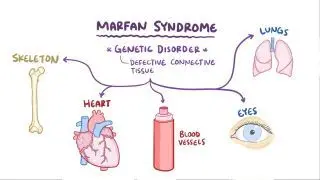
Micrognathia can be caused by genetic factors and is often seen as a part of certain inherited syndromes, including Pierre Robin sequenceTreacher-Collins syndrome, Marfan syndrome, and Turner syndromePierre Robin sequence is a common birth defect characterized by micrognathia, as well as glossoptosis (i.e., downward displacement or retraction of the tongue) and airway obstruction. It can be caused by a genetic mutation or overcrowding in the uterus, as is seen with twin pregnanciesTreacher-Collins syndrome is a genetic disorder that affects the growth and development of the head and tissues of the face. Marfan syndrome is an inherited disorder primarily affecting the body’s connective tissue. Finally, Turner syndrome is caused by the partial or complete absence of one X chromosome in those assigned female at birth. 

In addition to genetic factors, environmental factors including exposure to toxins or medications during pregnancy can influence the development of the jaw. Ingestion of alcohol by a pregnant individual can lead to fetal alcohol syndrome (FAS). Children with FAS may have distinctive facial features, including micrognathia, in addition to a wide range of developmental and neurological problems.  

Other risk factors include tobacco use and the use of certain prescription medications, including antiepileptics (e.g., phenytoin) and retinoids (e.g., isotretinoin for acne treatment) during pregnancy. Environmental pollutants such as heavy metals (e.g., lead, mercury) and chemicals (e.g., pesticides) can also disrupt fetal development and contribute to micrognathia. Lastly, certain risk factors, including a family history of facial anomalies and genetic syndromes, can increase the likelihood of micrognathia. 

What are the signs and symptoms of micrognathia?

The sign of micrognathia includes a smaller, retruded jaw. Associated symptoms can differ depending on the individual's age and the severity of the micrognathia. In neonates and infants, micrognathia is more likely to cause upper airway obstruction resulting in difficulty breathing. In some cases, the jaw may be small enough to interfere with proper feeding in infants, and in older children micrognathia is often primarily a cosmetic concern, causing facial asymmetry. Additionally, micrognathia may cause dental problems such as misalignment and overcrowding of the teeth. Jaw misalignment may also lead to speech problems including difficulty articulating sounds. In both children and adults, the posterior positioning of the jaw can make intubation difficult during anesthesia or in emergencies. Of note, in some cases micrognathia can correct itself during puberty. 

In the case that micrognathia is associated with the Pierre Robin sequence, the individual may also have a cleft palate, or an opening in the roof of the mouth; gastroesophageal reflux; and conductive hearing loss. Those with micrognathia secondary to Treacher-Collins also have underdeveloped facial bones, particularly of the cheekbones. Those with Marfan syndrome often have a tall stature and long limbs. Lastly, those with Turner syndrome often have a neck webbing and a low hairline at the back of the neck in addition to micrognathia.  

How is micrognathia diagnosed?

The diagnosis of micrognathia is often made based on a review of symptoms, medical history, and physical examination. The healthcare professional may ask about a family history of genetic disorders and perform a comprehensive examination of the facial structure to assess the child’s jaw size and relation to other facial features. While imaging is not typically necessary to diagnose micrognathia, X-ray imaging, ultrasound, and magnetic resonance imaging (MRI) may provide detailed views of the bone structure to assess the severity and help plan for treatment. In some cases, a sleep study may be performed to assess for sleep apnea, considering that the position of the jaw and tongue may lead to an increased risk of airway obstruction and obstructive sleep apnea (ie., a condition in which breathing starts and stops during sleep due to collapse of the airway).  

In cases where a syndrome is suspected, genetic tests may be conducted to identify specific abnormalities that could explain the micrognathia. A prenatal ultrasound or MRI can also be done to assess for the presence of micrognathia or a cleft palate 

How is micrognathia treated?

Treatment for micrognathia depends on the severity of the condition. In mild cases, immediate treatment is often not necessary. Additionally, children with micrognathia may outgrow the condition as they age and their jaw increases in size, which is another benefit of delaying treatment until the child is older. In these instances, close monitoring can ensure that breathing, feeding, and speech development are occurring as expected. Dental braces or other orthodontic treatments can help align the teeth and improve jaw function, when needed.  

In more severe cases, if the infant has trouble feeding due to micrognathia, they may require the use of specialized nipples for bottle feeding, or the use of a tube inserted through the nose into the stomach for nutritional support 

Surgical options may also be considered in severe cases where feeding and breathing are affected, or they may be considered later in adolescence once the bones have matured. The goal of surgery is to extend and lengthen the lower jawbone, and this may be done through mandibular distraction osteogenesis (MDO). In MDO, the surgeon typically makes cuts on both sides of the lower jaw and attaches special equipment that helps to move the bottom jaw forward.   

Regardless of severity, treatment often involves an interdisciplinary care team of pediatric otolaryngologists, craniofacial specialists, geneticists, pediatric pulmonologists, and speech therapists to provide individualized, comprehensive care.  

For cases linked to genetic conditions, genetic counseling may be offered to the individual and their family.  

What are the most important facts to know about micrognathia?

Micrognathia, or mandibular hypoplasia, is a condition where the lower jaw is underdeveloped, leading to a small oral cavity and potential feeding, breathing, and speech difficulties. This condition can be caused by genetic syndromes like Pierre Robin sequenceTreacher-Collins syndrome, Marfan syndrome, and Turner syndrome. Environmental factors during pregnancy, such as exposure to toxins, alcohol, certain medications, and tobacco, can also contribute to its development. Symptoms vary with age and severity, and can include feeding difficulties in infants, dental and speech issues in older children, and cosmetic concerns. Diagnosis involves a review of medical history and physical examination and is supported by imaging and genetic testing. Treatment ranges from monitoring mild cases to orthodontic interventions and surgery in more severe cases. 

Key Takeaways

Definition 

Structural anomaly of the jaw where the mandible is smaller than usual, often causing the oral cavity to be disproportionately small for the tongue.  

Causes 

-Genetic factors – often part of inherited syndromes:  

-Pierre Robin sequence (micrognathia, glossoptosis, airway obstruction 

-Treacher-Collins syndrome (abnormal development of the head and face tissues)  

-Marfan syndrome (abnormal connective tissue) 

-Turner syndrome (partial or complete absence of one X chromosome in assigned female at birth)  

-Environmental factors: exposure during pregnancy to 

-Toxins  

-Medications (antiepileptics, retinoids 

-Alcohol (FAS)  

-Pollutants (heavy metals, pesticides)  

-Family history of facial anomalies and genetic syndromes  

Signs and symptoms 

-Smaller, retruded jaw  

-Neonates and infants 

-Upper airway obstruction  

-Feeding impairment  

-Facial asymmetry  

-Teeth misalignment and overcrowding  

-Jaw misalignment  

-Speech impairments  

-Difficult intubation  

-Additional features according to genetic syndrome 

-Pierre Robin sequence: cleft palate; gastroesophageal reflux; conductive hearing loss  

-Treacher-Collins: underdeveloped facial bones  

-Marfan syndrome: tall stature and long limbs  

-Turner syndrome: neck webbing, low neck hairline  

Diagnosis 

-Medical history  

-Family history (genetic disorders?)  

-Physical examination (facial structure)  

-Imaging (severity assessment and treatment planning 

-Sleep study (sleep apnea 

-Genetic testing if syndrome suspected  

-Prediction: prenatal US or MRI  

Treatment  

-Interdisciplinary care team  

-Mild cases:  

-Close monitoring, no immediate treatment  

-Might spontaneously resolve during puberty  

-Orthodontic treatment if needed 

-Severe cases (e.g., trouble feeding):  

-Feeding support: specialized nipples for bottle feeding; nasogastric tube  

-Surgery: mandibular distraction osteogenesis (MDO)  

-Genetic counseling for genetic conditions  

Students say Osmosis is 100% worth it

Because Osmosis saves them time. Lowers stress. And actually helps them remember when it counts.

I used Osmosis to prepare for my first medical school licensing exam! Super helpful and interactive for people who may not do great with just pages of text info!

Cecilia Ruiz

Cecilia Ruiz

MD student

Sayan Misra

I have used Osmosis for about four years. Best thing I have ever used for my medical studies.

Sayan Misra

Sayan Misra

Med student

Osmosis videos are superior because they define simple concepts, tell a story with a clear progression, and provide context.

Jay Pate

Jay Pate

Dental student

References


Bull MJ, Givan DC, Sadove AM, et al. Improved outcome in Pierre Robin sequence: Effect of multidisciplinary evaluation and management. Pediatrics. 1990; 86:294. 


Hsieh ST, Woo AS. Pierre Robin sequence. Clin Plast Surg. 2019; 46:249. 


Dudkiewicz Z, Sekuła E, Nielepiec-Jałosińska A. Gastroesophageal reflux in Pierre Robin sequence-Early surgical treatment. Cleft Palate Craniofac J. 2000; 37:205. 


Mueller DT, Callanan VP. Congenital malformations of the oral cavity. Otolaryngol Clin North Am. 2007; 40:141. 


Parada C, Chai Y. Mandible and tongue development. Curr Top Dev Biol. 2015; 115:31. 


Tibesar RJ, Scott AR, McNamara C, et al. Distraction osteogenesis of the mandible for airway obstruction in children: Long-term results. Otolaryngol Head Neck Surg. 2010; 143:90.