Sequelae

Definition, Examples, COVID-19, and More

Author: Anna Hernández, MD
Editor: Alyssa Haag
Editor: Emily Miao, PharmD
Editor: Kelsey LaFayette, DNP, RN, FNP-C
Illustrator: Jessica Reynolds, MS
Copyeditor: Stacy Johnson, LMSW
Modified: Jan 06, 2025

What does the term sequelae mean?

In the medical field, the term sequelae is used to define any complication or condition that results from a pre-existing illness, injury, or other trauma to the body. Some sequelae may also arise from a past medical intervention, such as a vaccine, a specific treatment, or surgery.
Illustration of a timeline showing a person getting sick then experiencing long-term effects.

How is sequelae pronounced?

“Sequelae” is pronounced as suh-kweh-lee. Its singular form, “sequela,” is pronounced as suh-kweh-lah. 

What are the sequelae of COVID-19?

One of the most relevant examples of sequelae is the long-lasting effects of COVID-19 infection. COVID-19, or coronavirus disease discovered in 2019, is a respiratory infection caused by the SARS-CoV-2 virus. Although symptoms of COVID-19 typically resolve within a few days to a few weeks, some individuals may experience persistent symptoms. These symptoms have been called long-term COVID; those experiencing them are colloquially called “long haulers.” Long-term COVID may also be referred to as chronic COVID, long COVID, post-acute sequelae of SARS CoV-2 infection (PASC), or post-COVID syndrome, as no official term has been established yet. 

Post-COVID conditions can include various health problems that may persist weeks to months after acute illness. Common symptoms include fatigue and cardiopulmonary issues, such as shortness of breath, cough, and chest pain. Neurological issues, such as headaches, sleeping problems, lightheadedness, changes in smell or taste, memory loss, difficulty thinking, and trouble concentrating, are common. Other symptoms may include joint or muscle pain, dermatological conditions, and menstrual cycles

While the cause of these continuing COVID-19 symptoms remains unclear, it appears that post-COVID conditions are found more often in individuals who had severe acute COVID-19 illness, especially those who were hospitalized or needed intensive care; in individuals with underlying health conditions; and in individuals who did not receive a COVID-19 vaccine before infection. 

Research on COVID-19 and its prolonged effects on the body has only begun, but long-term complications from COVID-19 are relatively common. Initial findings suggest that 10 to 20% of people who contracted COVID-19 continue to have symptoms or complications of COVID-19 at least one month after diagnosis.

With the rising number of individuals experiencing long-term COVID-19 symptoms, the British National Institute for Health and Care Excellence, also called NICE, has categorized three unique stages of COVID-19 recovery. The acute phase is the period of recovery within four weeks after diagnosis. The ongoing COVID-19 phase lasts 4 to 12 weeks after diagnosis, and the long COVID phase lasts over 12 weeks after diagnosis.

What are other examples of sequelae?

There are many other examples of sequelae in the medical field. Some conditions may be identified retrospectively based on their sequelae. For example, a scar in the lower right quadrant of the abdomen may suggest an appendectomy, and a scar on the upper arm may indicate exposure to the live smallpox vaccine

Infection with Streptococcus pyogenes, a bacteria that commonly causes pharyngitis (i.e., strep throat) and skin infections, can lead to post-infectious sequelae. These complications include rheumatic fever, an inflammatory disease that can damage the heart tissue, and post-streptococcal glomerulonephritis, which refers to acute inflammation of the kidneys’ glomeruli. These complications arise even after the bacteria has been eliminated from the body.

Certain neurological conditions, such as a stroke, may leave specific neurological sequelae, including speech disturbances, sensory or motor deficits, and visual disturbances, depending on the areas of the brain affected. Likewise, bacterial meningitis may lead to long-term neurological sequelae, including focal neurological deficits, hearing loss, cognitive impairment, and epilepsy.

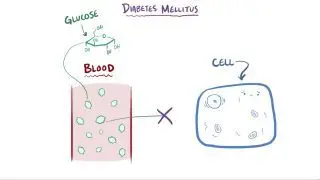
Persistently high blood glucose levels in diabetes mellitus may result in several complications of the eyes, kidneys, and nerves. In the eyes, diabetes mellitus can damage the retina, resulting in loss of vision and total blindness. The kidneys’ glomeruli may also damage, leading to chronic kidney disease. Nerve damage may cause a decrease in sensation in the toes and fingers and autonomic nervous system dysfunction, which can affect sweating, passing stool, urinating, and more. Finally, poor blood supply and nerve damage can lead to foot ulcers, which can get infected, sometimes requiring amputation.

Finally, a psychological example of sequelae is post-traumatic stress disorder, which may occur due to a traumatic event—like war or sexual assault—that causes recurrent mental and physical distress. 

What are the most important facts to know about sequelae?

Sequelae refer to any complication or condition that results from a pre-existing illness, injury, or medical intervention. Common disorders that may cause a sequela of symptoms include COVID-19 infection, neurological disorders, diabetes mellitus, infections, and specific medical interventions, such as surgery or vaccinations, among many others. 

References


Center for Disease Control and Prevention. (2022, July 13). Long COVID or post-COVID conditions. Centers for Disease Control and Prevention. https://www.cdc.gov/coronavirus/2019-ncov/long-term-effects/index.html


Lucas, M. J., Brouwer, M. C., & van de Beek, D. (2016). Neurological sequelae of bacterial meningitis. The Journal of infection, 73(1), 18–27. https://doi.org/10.1016/j.jinf.2016.04.009


Mehandru, S., & Merad, M. (2022). Pathological sequelae of long-haul COVID. Nature Immunology, 23(2), 194–202. https://doi.org/10.1038/s41590-021-01104-y


Proal, A. D., & VanElzakker, M. B. (2021). Long COVID or post-acute sequelae of COVID-19 (PASC): An overview of biological factors that may contribute to persistent symptoms. Frontiers in Microbiology, 12, 698169. https://doi.org/10.3389/fmicb.2021.698169


Vinod, N. (2021). Living with ‘Long COVID-19’: The long-term complications and sequelae. International Journal of Clinical Virology, 5(1), 011–021. https://doi.org/10.29328/journal.ijcv.1001030